Authorities struggle as inspections unearth colonies discharging sewage water into drains
MARGAO
Welcome to the Commercial capital, where one may come across colonies after colonies discharging waste and sewage water in the storm water drains in violation of pollution norms.
Indeed, when the PWD and Sewerage Infrastructure Development Corporation of Goa Ltd (SIDCGL) boasts of having a sewerage network in place, covering major part of the city, waste and sewage water continues to find its way in the city drains and nullahs before the water enters the river Sal.
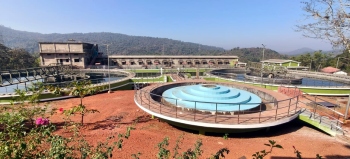
In fact, when then PWD Minister Nilesh Cabral descended at the Margao sewage treatment plant complex a year-and-half ago, he had expressed his concern that while the government has invested crores of rupees in laying the underground sewerage line, the city’s two multi-crore STPs are operating below their capacities for want of sewage. The ground reality, however, seemed to have not changed for the better since then.
Two glaring instances of sewage and waste water flowing into the drains and nullahs have come to light this month, in areas where an underground sewerage network exists, throwing up a moot question, which agency is responsible to get the housing colonies and societies connected to the underground sewage line – the PWD, SIDCGL, the Margao Municipal Council or the political leadership or the powers that be and the leadership controlling the local civic body.
Consider this. Last year, the migrant-inhabited Azad Nagar colony, having around 145 water connections, was connected to the underground sewage line, thanks to the High Court’s directions to the Margao civic body in the public interest litigation (PIL) filed by Navelim resident Prof Antonio Alvares, raising a question whether the local Municipal body will act only when it is pulled up by the Judiciary when enforcing health and sanitation norms is part of its routine functions.
Sulabh connected, but not residents in Southern Margao
An underground sewage line, as per Margao Municipal Council’s estimates, passes through the Calcondem area of the city. An inspection has revealed that a sulabh toilet block at Calconda is found connected to the underground sewage line, but many a residential household seem to have still not taken the sewage connections.
While the Margao Municipal Council has identified around 150 households located between the old railway gate (near the Margao flyover) and the Kudchadkar nullah, the civic body has issued notices to 134 households, with a threat to impose Rs 5,000 penalty and to disconnect their water connections.
The ground reality has thrown up a peculiar question or two – why did the households not obtain the sewage connections when an underground sewage line is in place in their backyard? And, why did the Margao Municipality not crack a whip against the households all these months, if not years, for not obtaining the sewage connections? And, why the powers that be remained indifferent to the ground reality, when the waste water has been contaminating and devastating the adjoining Salpem lake?
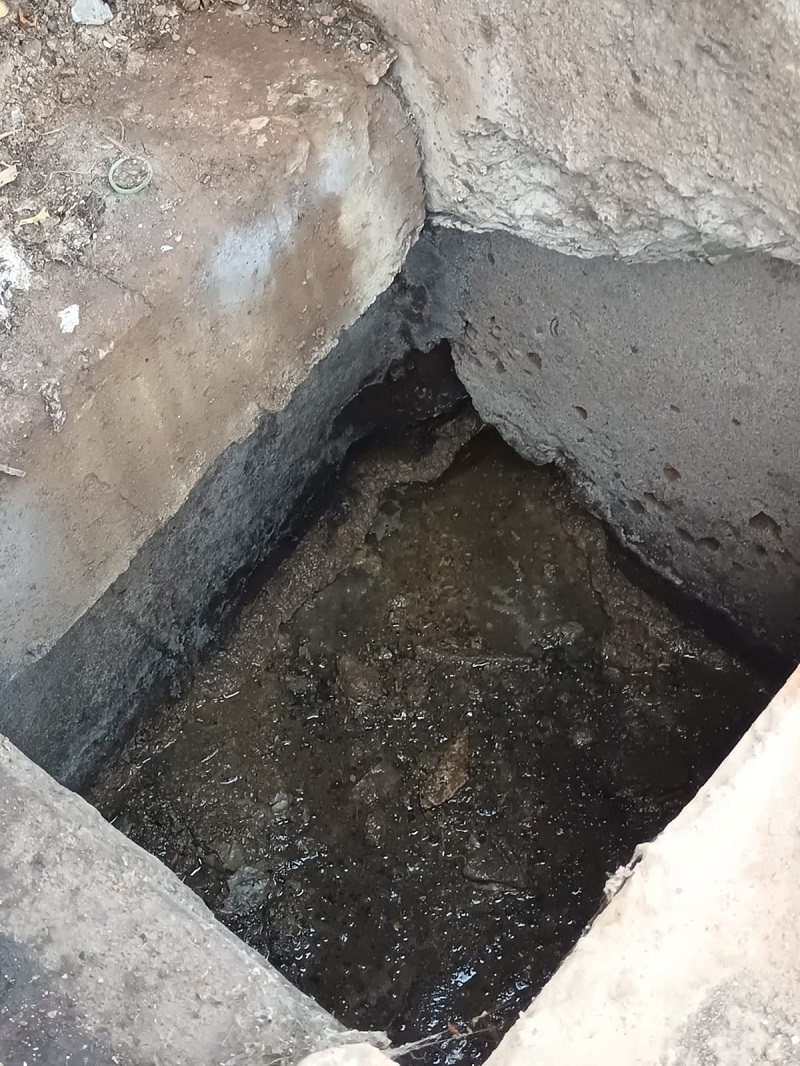
No change in Fatorda near Nehru stadium
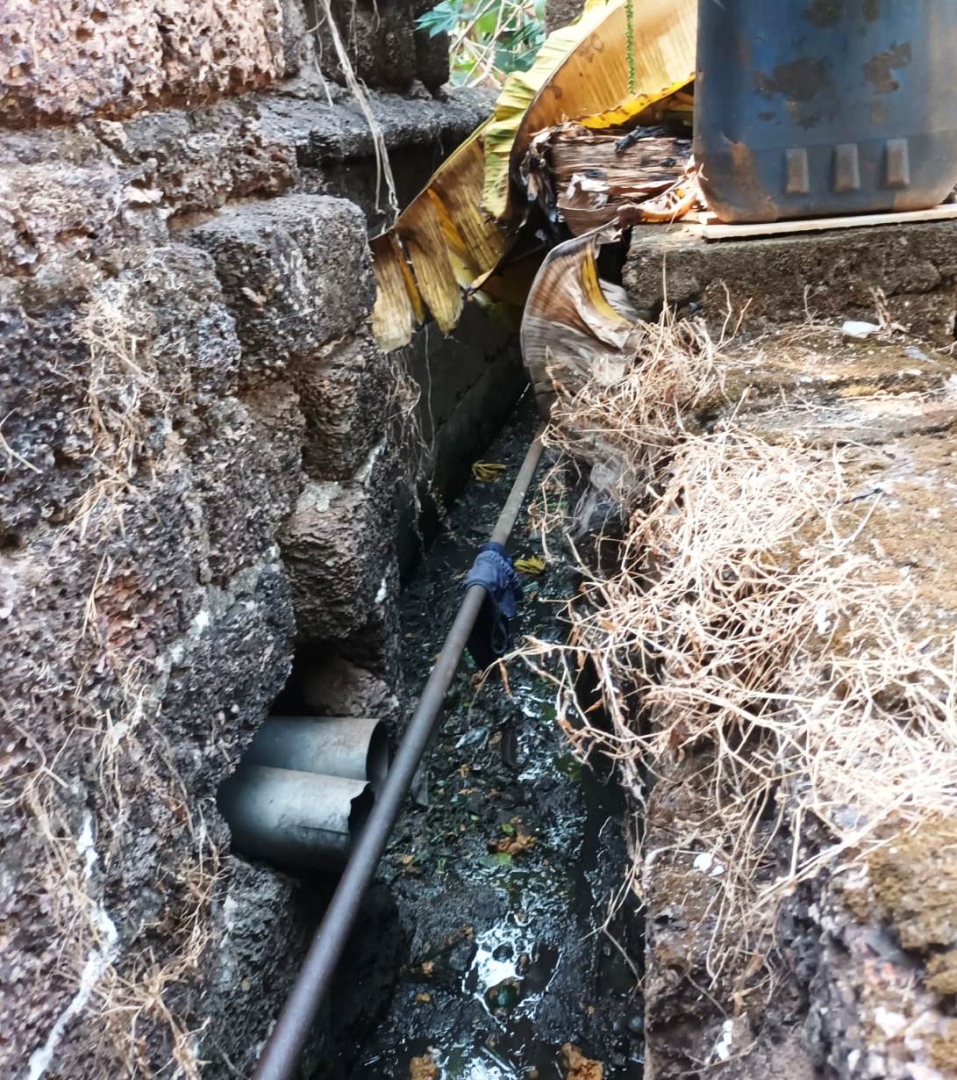
An inspection carried out by the Margao Municipal Council near the Nehru stadium has unearthed damning revelations – sewage and waste flowing in the storm water drain passing along the roadside.
In fact, uncovering of the slabs over the drain by Margao Municipal workers on Thursday has revealed rampant discharge of sewage and waste water in the drain. The MMC sanitary section is on the job to issue notices to the violators, including hotels and restaurants, operating in the area for the discharge, but the same old question has come back to haunt the authorities, why were the establishments not connected to the underground sewage line laid in the vicinity?
“We inspected the area after receiving a complaint that the area near the temple is enveloped by foul odour. When we opened the slabs of the drains, we found raw sewage discharged by establishments. Notices will now go to the establishments to stop the discharge and connect their premises to the underground sewage line,” remarked a senior MMC official.