MARGAO
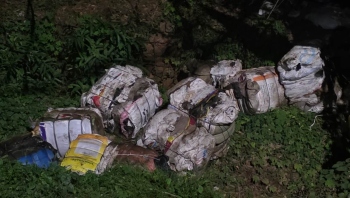
The Chinchinim Village Panchayat has imposed a fine of Rs 25,000 on driver of vehicle involved in transporting and dumping baled waste near the Digaum bandh on Sunday, in a move aimed at curbing illegal waste disposal in the area.
Following the panchayat’s action, the Cuncolim police are expected to release the Bolero pick-up van that was seized in connection with the dumping incident.
But, larger question emerge from the incident. Even as the local body acted swiftly, the incident has raised serious questions about regulatory oversight by agencies such as the Goa State Pollution Control Board (GSPCB) and the Goa Waste Management Corporation (GWMC).
A preliminary inquiry has revealed that the waste originated from an industrial unit and was handed over to a contractor for disposal. This has led to a key concern: whether authorities have maintained a comprehensive database of contractors engaged by industries, factories, hotels, and restaurants for waste collection and disposal, along with details of the methods adopted.
‘Baled waste points
to organised malpractice’
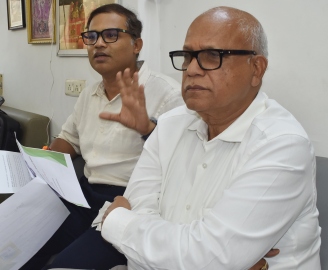
Chinchinim Sarpanch Frank Viegas said the discovery that the dumped waste was baled adds a new dimension to the issue. “It appears that unscrupulous contractors are collecting waste from establishments and, after extracting recyclable material, are baling or dumping the remaining waste in open areas. This is a serious issue that needs urgent attention from the GSPCB and GWMC,” he said.
Highlighting the challenges faced by local bodies, Viegas said panchayats are making efforts to manage waste responsibly, but illegal dumping by private contractors is undermining these initiatives. “Unauthorised dumping within village limits is nullifying our attempts to address waste management issues. Authorities must compile a list of garbage contractors and seek details on how waste is being disposed of. This will help deter unregulated operators entering the field and creating problems for village panchayats,” he added.
The Sarpanch also pointed out the limitations of panchayat jurisdiction, stating that action is largely restricted to penalising the vehicle or driver involved.
“In this case, our powers are limited to imposing a fine on the driver. A thorough investigation could have revealed the contractor and the establishment from where the waste originated,” he said.
The incident has once again brought into focus the need for stronger monitoring and accountability mechanisms in waste management, particularly in tracking the role of private contractors handling waste generated by commercial and industrial establishments.