PANAJI
Temperatures are rising, and across the State, people are looking for ways to cool down from the blistering heat. Goa is seeing an unprecedented rise in temperatures, with the night of April 28 recording the third-hottest night in half a century at a temperature of 28.6°C.
Keeping the body hydrated and protected from the harsh temperatures allows protection from heatstroke and other heat-related illnesses that increase around this time.
HOW HEAT AFFECTS THE BODY
Kelvin Moses, Holistic Health Coach and Founder of The Wellness Workshop, tells us exactly what happens to our bodies. “In summer, fluid loss rises mainly through sweating, the body’s thermoregulation mechanism. While this cools us, sweat also depletes vital electrolytes. Even a 1-2% reduction in body water can have quite an impact on your focus, alertness, physical strength, and endurance. Not to mention, the heat can negatively affect mood and energy levels,” he says.
Having a regular water intake of 2.5 L to 3 L is crucial at this time. “Hydration is not one-size-fits-all! For many, it’s still tied to the ‘6-8 glasses a day’ rule we learned in school, rather than being adjusted for climate, activity, and sweat loss. There is also a tendency to prioritise beverages that taste better, such as sugary juices and sweetened drinks, over plain water,” says Moses. He suggests adjusting water intake based on various factors like age, daily activities, fitness levels, environment, and protein intake.
WHY ICE-COLD DRINKS MAY NOT HELP
Nina Figueiredo, a Clinical Dietitian based in Panaji, provides insights on the effects of consuming cold drinks quickly. “Quick relief methods like very cold water, aerated drinks, ice cubes, and even the air conditioner, which lowers the natural body temperature more than necessary, produce short-term effects. Within minutes, these may lead to the constriction of blood vessels and decrease heat loss from the body,” she explains, adding that sipping drinks consistently and ensuring that they are not overly cold allows the body to cool down faster.
BEST SUMMER DRINKS
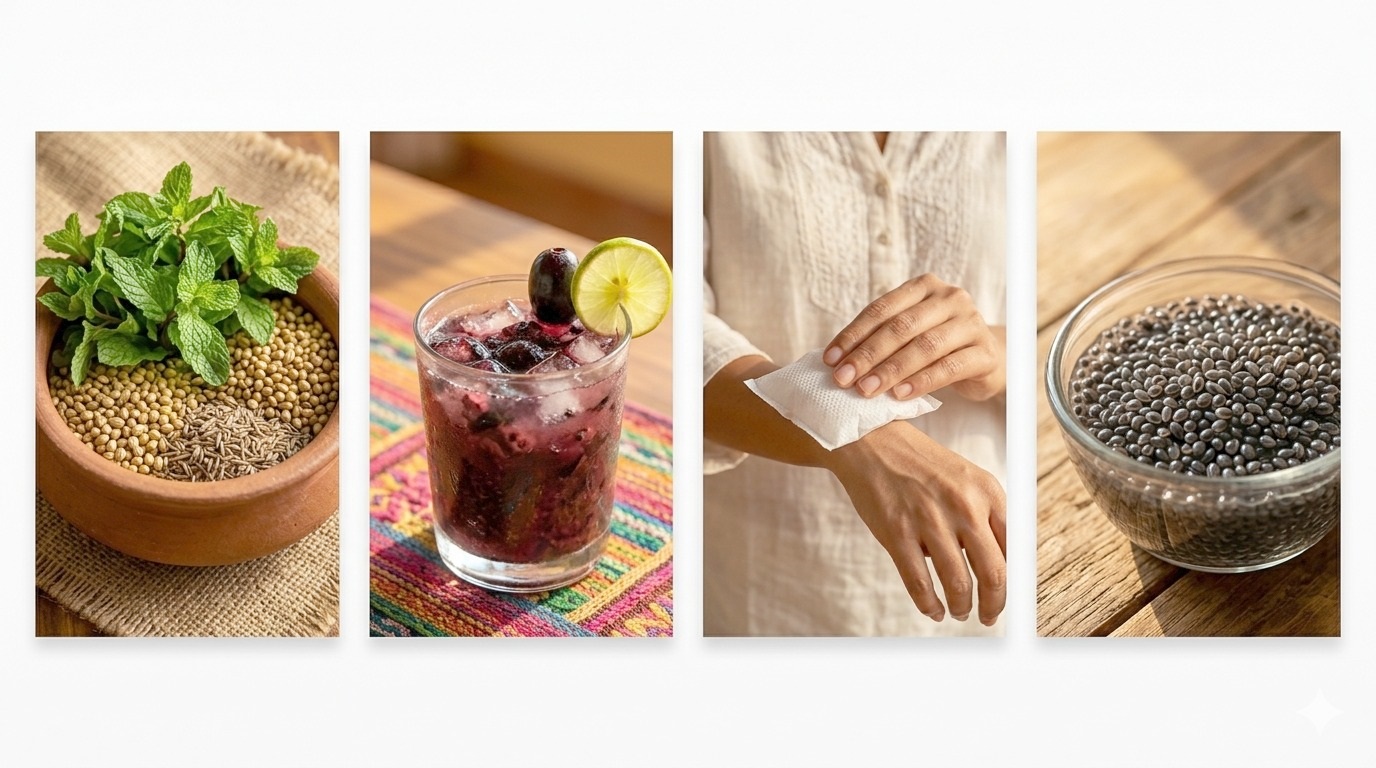
Besides drinking water, Selma Viegas, an experienced nutritionist, suggests stocking up on alternatives to keep cool and energised. “Fresh fruit juices are always a great alternative - lime, watermelon, and even kokum juice keep the body refreshed.” Coconut water, sugarcane juice, and everyone’s favourite, cashew niro, are also on Figueiredo’s list of summer refreshers. “Coconut water is packed with electrolytes and minerals, while sugarcane juice contains natural sugars that energise the body. Cashew niro acts as a probiotic and is rich in minerals,” she says.
FRUITS AND PROBIOTICS
Fruits are always a great option, with both Figueiredo and Viegas recommending hydrating varieties like watermelon, pineapple, muskmelon, and citrus fruits such as tangerines, sweet oranges, and limes. Additionally, Goa’s hot climate yields fantastic local summer fruits perfect for cooling down, including kantam, chunna, and jamun. Beyond fruits, Figueiredo emphasises the importance of probiotics. She explains that foods like curd contain the healthy bacteria required to keep warm-weather infections, such as cholera, typhoid, and amoebiasis, at bay.
For refreshing drinks, Viegas recommends incorporating cooling ingredients. “Try adding sabja seeds (tukmaria) to your beverages and salads, or sip on buttermilk infused with mild herbs and spices like jeera, coriander, and mint,” she suggests.
FOODS TO AVOID
Water-rich foods are ideal for the season; foods that are heavy and oil-based are not water-rich and can cause fatigue, poor concentration, and light-headedness. “Although adequate protein is crucial for a healthy diet, a high-protein diet is not recommended during summer as it increases water absorption and can lead to dehydration,” warns Figueiredo.
Dehydration can cause heat exhaustion and heatstroke, which are often confused with each other. “Heat exhaustion occurs when there is heavy sweating, weakness, dizziness, nausea, and headache. Your core temperature may be elevated but usually under 40°C,” explains Moses. “Heatstroke, on the other hand, is a medical emergency where the core temperature is greater than 40°C, causing acute central nervous system dysfunction such as confusion, agitation, slurred speech, seizures, or even unconsciousness.”
WARNING SIGNS NOT TO IGNORE
He highlights warning signs that need immediate attention: “Sudden fatigue, dizziness, light-headedness, headache, nausea, cramps, an unusually high heart rate for the effort, and feeling very hot with poor tolerance to activity are all early signs.”
If you or someone around you is showing signs of confusion, disorientation, fainting, hot skin, or even mild seizures, obtain medical attention immediately. First aid protocol involves moving to a shady place or an AC room, ensuring the individual lies flat, and cooling them down with cold water immersion or continuous cold sponging to the forehead, suggests Moses.
DRESS SMART TO BEAT THE HEAT
Besides this, Viegas suggests loose, light-coloured clothing and precautions to protect oneself: “Wear a broad-rimmed hat to protect the head. Cotton and linen clothing in colours of white or pastels can also help regulate temperatures. Aloe vera gel prevents chafing in underarms and other sensitive areas, and carrying mini ice packs or cooling disks can help you cool down too.”
As Goa’s scorching summer intensifies, take the advice of the experts and stay hydrated. Ensure that you are stocked up on the essentials and are taking necessary precautions to beat the heat. Stay cool, stay vigilant, and embrace the summer season safely.