Even as the world marks World Water Day, Goa comes forth with a powerful story: ordinary citizens rising to protect extraordinary water resources.
From the mighty Mhadei river to fragile lakes tucked within villages, Goans are asserting their right to clean water, ecological balance, and cultural heritage.
Lifeline of Goa: Mhadei
The Mhadei river dispute has long been the heartbeat of Goa’s environmental struggle. For years, citizens have resisted attempts to divert its waters to Karnataka, warning of devastating consequences for North Goa’s biodiversity, agriculture, and drinking water security.
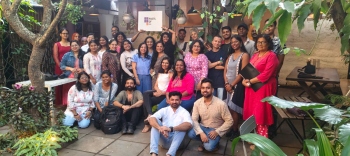
The agitation has partially united diverse groups – farmers, students, activists, and village elders – under the banner “Save Mhadei, Save Goa”.
The movement is not merely about water allocation but also safeguarding the ecological soul of the State. The river sustains forests, wildlife sanctuaries, and countless livelihoods, making its protection a matter of survival.
Toyyar Lake: Development vs ecology
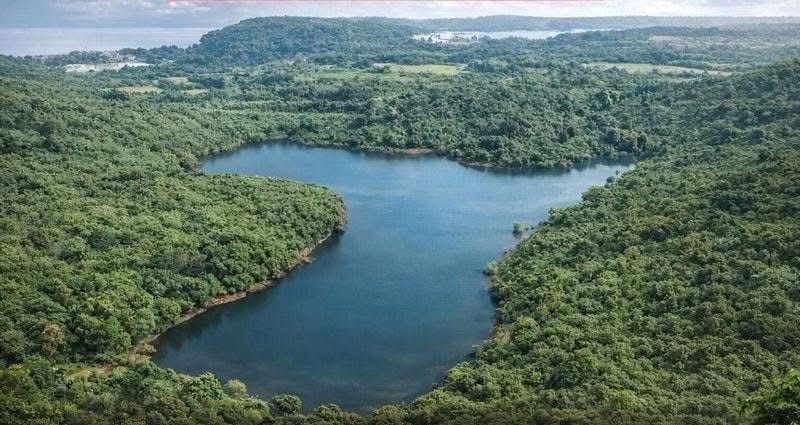
In Chimbel, the proposed Unity Mall project had sparked fierce resistance. At the heart of the protest lay the Toyyar Lake, a water body cherished by locals for its ecological, irrigational and cultural significance.
Protesters argued that the mall threatened to destroy the lake’s fragile ecosystem, replacing natural heritage with concrete. The protest had drawn attention to the growing tension between rapid urban development and the need to preserve natural resources.
For many, particularly the tribal inhabitants of Chimbel and surrounding locales, Toyyar Lake is more than a water body – it is a living symbol of community identity and resilience.
Bondvoll Lake: Buffer zone demands
The Bondvoll Lake in St Cruz has become another flashpoint. Citizens are demanding clear demarcation of a buffer zone to prevent encroachment and pollution.
The lake, a crucial freshwater source, has long been under pressure from construction activity and waste dumping. Activists argue that without a legally protected buffer, the lake risks irreversible damage.
The agitation initially won a major concession from the government with the water body notified as a wetland. However, recent work in its periphery apparently a real estate project, re-ignited the protests with fresh demands to demarcate the buffer zone and a reminder that protecting water bodies requires not just passion but policy as well.
Mirabag: Opposition to check-dams
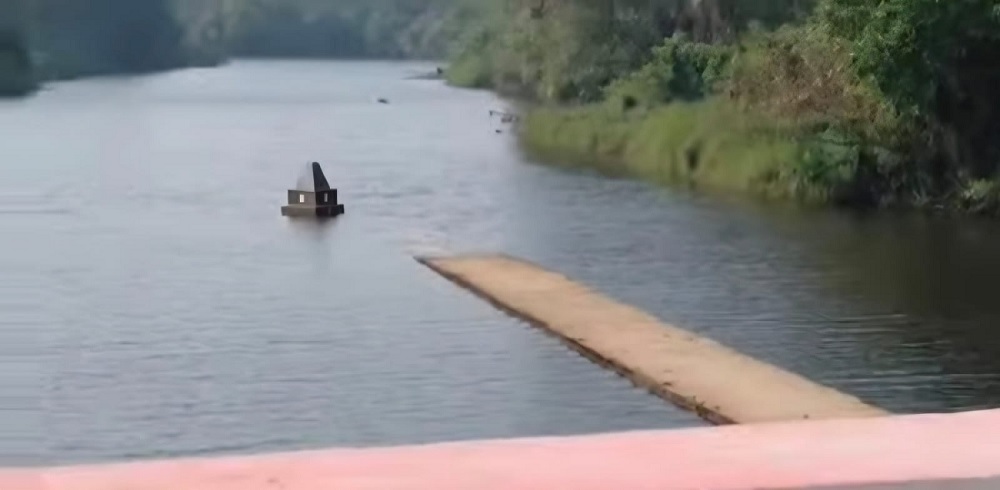
In Mirabag, locals are resisting a State government project to build check-dams. While authorities claim the dams will aid water conservation to meet future needs, residents fear they will disrupt traditional water flows, harm agriculture, and alter the ecological balance.
The agitation underscores the importance of community consent in water management projects. For villagers, water is not an abstract resource but a lived reality tied to farming cycles, cultural practices, and local ecology. Their resistance highlights the need for development models that respect traditional knowledge and community voices.
Women at the forefront
The theme of World Water Day 2026 – water and gender – resonates deeply in these movements in Goa where women have played a central role. From leading marches to organising community meetings, they embody the link between water access and equality. In many households, women bear the responsibility of managing water for daily needs. Their leadership in these agitations reflects both necessity and empowerment – a reminder that water justice is inseparable from gender justice.
Globally, 'World Water Day' emphasises the urgency of achieving sustainable development goal 6 (clean water and sanitation for all). Goa’s struggles mirror this global challenge.
Whether it is resisting diversion of rivers, protecting lakes from encroachment, or questioning top‑down projects, Goans are indeed asserting that water is a heritage, a right, and a responsibility. Their movements resonate with communities worldwide fighting for equitable access to water.