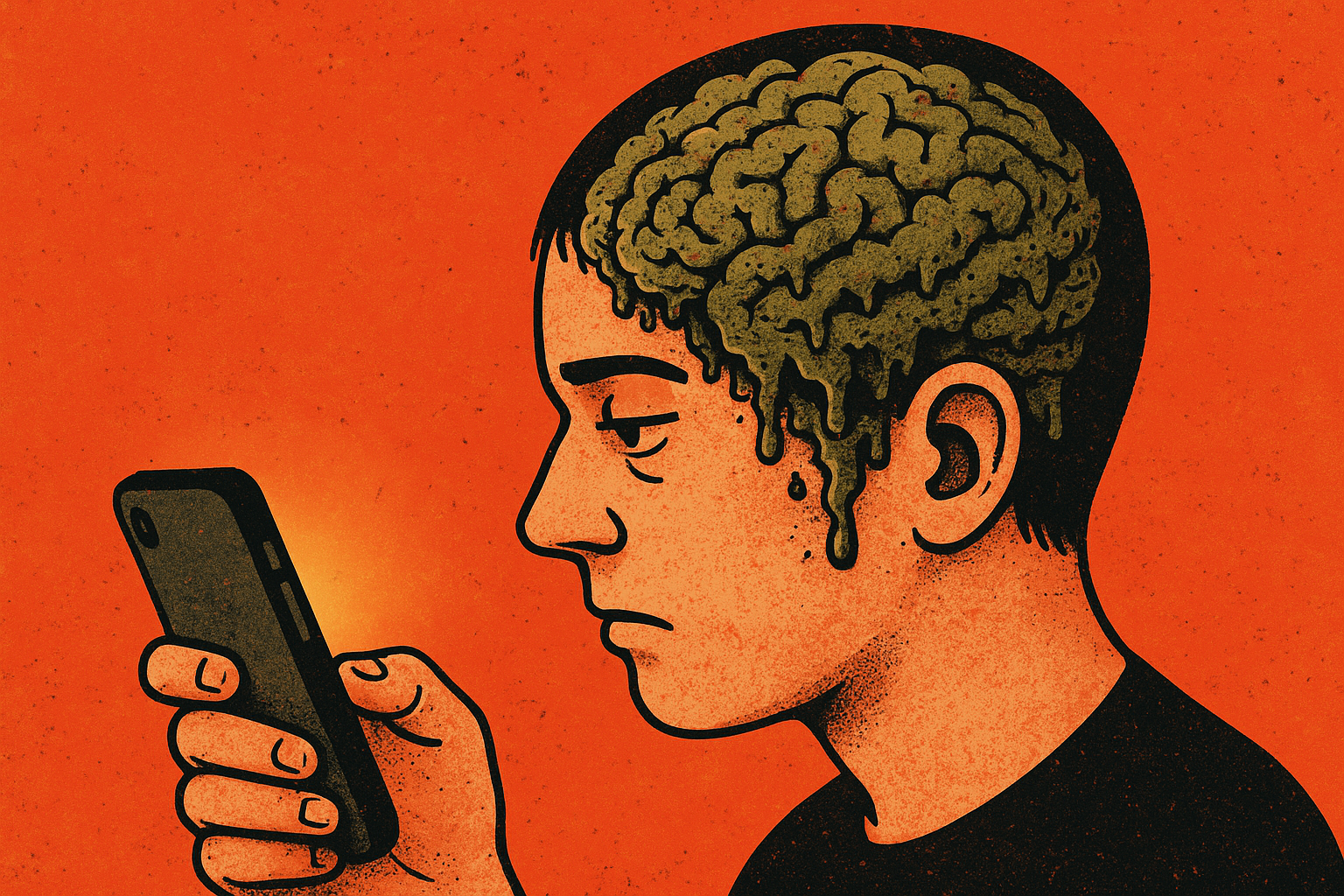
Artificial intelligence and social media are now a part of daily life. From searching for information and writing to entertainment and communication, digital tools guide many routine tasks. While these technologies offer speed and ease, concern is growing about their effect on thinking, learning and memory, especially among young users. Experts warn that heavy dependence on automated tools may be weakening core mental skills instead of strengthening them.
Passive thinking
Artificial intelligence is changing how people process information. When users depend on automated summaries and ready-made answers, the brain no longer needs to actively search, compare sources or judge credibility. This shift from active thinking to passive use can reduce deeper understanding. Instead of fully engaging with material, users begin to skim the surface, weakening reasoning and long-term learning.
Memory strain
Memory is another area under pressure. When machines handle thinking, writing and organising ideas, the brain gets fewer chances to practise recall and retention. Learning works best when information is processed and organised mentally. When this effort is reduced, information does not stay in the mind for long. This raises serious concerns about how learning now takes place.
Writing skills
The impact on writing and thinking skills is troubling. Writing is not just putting words on a page; it involves shaping ideas, forming arguments and developing clarity. When artificial intelligence does most of this work, users lose valuable mental practice. Over time, this may weaken critical thinking, originality and independent analysis. Ownership of ideas also declines when thinking is replaced by automated output.
Short attention
Social media use continues to raise concern. Long hours spent scrolling through short, fast-changing content encourage brief bursts of attention rather than deep focus. Constant exposure to such content trains the brain to seek instant stimulation, making it harder to concentrate on tasks that require patience, such as reading or studying. A reduced attention span directly affects learning.
The decline in reading ability among young people is now a major worry. Screen habits have replaced traditional reading for many children and teenagers. Instead of spending time on books and long-form material, many now engage mostly with short digital content. Reading requires sustained focus and good comprehension. When this habit weakens, overall mental performance also suffers.
Sleep damage
Sleep disruption adds to the problem. Excessive screen use, especially at night, interferes with natural sleep patterns. Poor sleep affects memory, concentration, mood and mental health. When children and adults do not get enough rest, their ability to learn, retain information and make sound decisions declines. Poor sleep and constant screen exposure together weaken mental performance.
Effort matters
There is growing concern that overuse of artificial intelligence reduces effort-based learning. When answers are instantly available, the brain is no longer challenged to solve problems independently. Struggle and effort play a key role in building strong memory and understanding. Without this effort, learning becomes shallow, and users may slowly lose confidence in their own thinking abilities.
Balanced use
Experts do not call for rejecting technology. The problem lies in how it is used. Artificial intelligence can support learning if used in a limited and mindful way. Starting tasks independently and using technology later for review or correction helps keep the brain active. When people think first and rely later, learning remains meaningful.
Social media is not always harmful when used in balance. Trouble begins when it replaces healthier activities such as reading, physical movement, real-world conversation and proper rest. The brain needs variety. When screen time dominates daily life, this balance is lost.
Guidance at home & school
Parents play an important role in guiding healthy digital habits. Creating screen-free zones at home helps children focus on studies, sleep better and interact more during meals. Clear limits encourage discipline and protect attention span. Schools also face pressure to adapt. Students raised in a world of instant answers may struggle with patience, independent thought and deep understanding. Education systems must allow useful technology while still protecting basic thinking skills.
Slow but serious change
The main concern is not that technology makes people less intelligent overnight, but that it slowly changes how the brain works. When mental effort is reduced every day, the damage may not show immediately. Over time, however, the ability to reason deeply, remember clearly and focus for long periods may steadily weaken. The answer lies in mindful use. Technology should remain a tool, not a replacement for thought. Artificial intelligence should support curiosity, not replace it. Social media should entertain without taking over attention. If these limits are respected, digital tools can improve daily life without weakening the human mind.