On the day of the Gurpurab, the day starts at Amrit Vela between 4-5 am with the singing of ‘Asaa ki vaar’ which are morning hymns, followed by Katha and Kirtan in the praise of the Guru. This culminates into a gathering and a special community lunch called ‘langar’ arranged in the Gurudwara by the volunteers
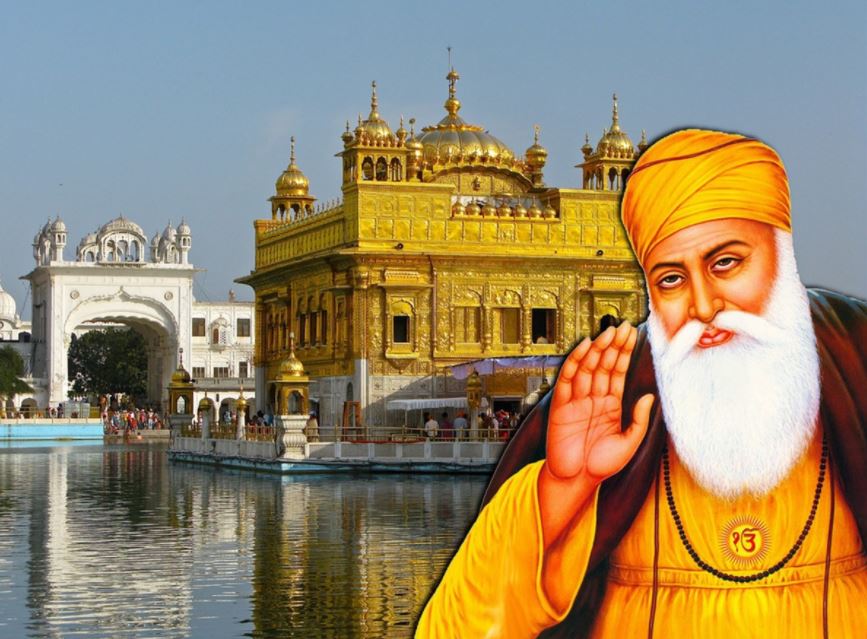
The highly revered and most celebrated first of the Sikh community, Guru Nanak who is the founder of Sikhism, is said to have been born on the full moon of the Indian Lunar month Kartik, and that’s the reason Sikhs have been celebrating Guru Nanak’s Gurpurab around November. This is one of the most sacred festivals in Sikhism or Sikhi, as is popularly called by the Sikhs across the globe, who revere their 10 Gurus who were responsible for shaping their beliefs. The day is observed with prayers in Gurudwaras followed by a langar, meaning a community meal shared by one and all.
Guru Nanak’s birthday is a gazetted holiday in India. According to the Vikram Samwat calendar, he was born on purnamasi of Kartik month in 1469 in Raj Bhoi di Talwandi in the present Shekhupura district of Pakistan, now called Nankana Sahib. Nanak was an original thinker, a spiritual preacher who expressed his thoughts and ideas in poetry form, that now forms the basis of Sikh scripture.
Included in the holy book of the Sikhs, Guru Granth Sahib, the preaching of Guru Nanak hold a high place among the community, as he taught, any person could connect to God by worshipping with a clear conscience. The celebrations are more or less similar in all the cities, with the day beginning with early morning processions called ‘Prabhat Feri’ from the Gurudwaras and proceeding towards the locality, singing hymns in praise of the Guru. Actually, the celebration begins two days ahead of the birthday, with ‘Akhand Paath’ which is a 48-hour non-stop reading of the Guru Granth Sahib. Then a day before the birthday, a procession ‘Nagarirtan’ is organised. Led by the ‘Panj Pyaras’ (five beloved ones), who head the procession carrying the Sikh flag Nishan Sahib, and the palki of Guru Granth Sahib. The devotees walk along singing the chorus. There are brass bands too playing different tunes and displaying swordsmanship through various martial arts and mock battles using traditional weapons. The procession passes through various streets of the town, greeted with banners, posters, flowers and decorated flags.
On the day of the Gurpurab, the day starts at Amrit Vela between 4-5 am with the singing of ‘Asaa ki vaar’ which are morning hymns, followed by Katha and Kirtan in the praise of the Guru. This culminates into a gathering and a special community lunch called ‘langar’ arranged in the Gurudwara by the volunteers. The langar is shared by everyone irrespective of gender, class or creed. It is offered to others in the form of seva and bhakti to whosoever visits the Gurudwara.
There are prayer sessions at night too, at some places and kirtans going up till late. The Gurubani is sung at about 1.20 am, the actual birth time of Guru Nanak, and the celebrations finally culminate at around 2 am. The celebrations are more vibrant, and colourful in Punjab, Haryana, Chandigarh and in places abroad where the Sikh community dwells. The Punjab government had announced on November 11, 2019, that it will install chairs dedicated to the great 11 saints in 11 universities in India. The day is a public holiday too.
"The community in Goa celebrates Guru Nanak Jayanti in a home away from home. No matter which part of the world we are in, our celebrations in the Gurudwara remain the same everywhere. When the pandemic hit, we had to celebrate with a lot of restrictions. We missed the festive spirit and coming together of people of our community. But we are all set and extremely excited to celebrate Guru Nanak Jayanti with all our hearts, and we are expecting a crowd of over a thousand people to join us. Our festivities will begin with the Sukhmani Sahib Path which is a prayer of peace. This is a crucial element of the holy Guru Granth Sahib - the main scripture of Sikhism. This is followed by prayers and Kirtan Darbar, where special persons are invited to perform the Kirtans, all the way from the Golden Temple, Amritsar. After this one and half hour programme, Prasad is distributed and other rituals are done. This is followed by the Langar or Bhoj, which is the main meal of the day. Thus, the ceremony is concluded,"
said Gurunaam Singh, committee member, Betim Gurudwara, Betim.