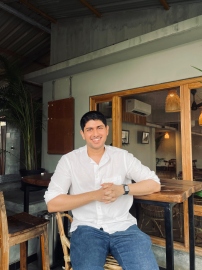
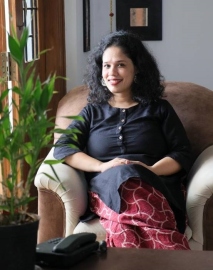
In a recent awareness programme on Intellectual Property Rights (IPR) Adv Prasanna Timble and Adv Rashmi Viegas conducted sessions. The programme, organised by Laghu Udyog Bharati-Goa, in association with MSME–DFO Goa, was an eye-opener to learn that ‘intellectual property’ is not just a big-company subject, but a practical shield for Goan products, services, and community knowledge.
GI – Geographical Indication – is a part of IPR and is all about community ownership. When we travel, we always look for that one specialty of the place. Similarly, when a tourist comes to Goa, they may want a Kunbi saree, a slice of Bebinca, a bottle of Feni or traditional Khaje. A GI tells the world that this product comes from a particular region and has qualities and reputation linked to that geography. It does not belong to one person; it belongs collectively to the genuine producers of that region.
For MSMEs, a GI tag brings three big benefits. It provides legal protection against misuse and copycats, as seen in the Kolhapuri chappal case, where a luxury brand had to change its description after a public interest case. It strengthens community ownership, giving small producers greater bargaining power when they act together. And it creates a strong identity in export and tourist markets – Darjeeling Tea, India’s first GI, is a powerful example where only tea actually grown in Darjeeling can be sold under that name.
Goa already has success stories such as Feni, Khola (Canacona) chilies, Bebinca and Mankurad mango getting GI recognition, but many more traditional products remain to be protected. The first step is for indigenous producers to come together as an association and apply to the GI Registry in Chennai, giving proof that the product is unique to their region and that skills have been passed down over generations. After scrutiny, publication and an opposition period, the GI is registered and authorised users – the actual producers – can be enrolled. Registration (for both, GI or Trademark) is not mandatory, but it gives much stronger legal protection in case of misuse or imitation.
Alongside GIs, trademarks are another powerful IPR tool that every MSME should understand. The moment you think of a brand, your mind goes to its name, logo, colours or even a sound – exactly what trademarks are meant to protect. A trademark can be a word like ‘Amul’ or ‘Pepsi’, a surname that has acquired a secondary meaning like Tata, a symbol or device, a distinctive colour combination such as Cadbury’s purple and gold, or even a sound mark like the Airtel tune or a service mark like the LIC logo that immediately reminds you of insurance.
Trademarks help you protect your identity and reputation in the market. Even a micro or small enterprise invests time, money and emotion in building a name; that name is an asset. Investors and lenders also view a registered trademark positively, because it shows that the business has created a protectable brand with long-term potential.
The registration process is fairly straightforward. You work with a trademark agent, decide the class of goods or services and file an application with the Trademark Office. For MSMEs, the government fee is currently half that of regular fees, at around Rs 4,500 per mark per class. The application is examined and, if there are objections, an examination report is issued and replied to. If the mark is accepted, it is published for opposition for four months and, if there is no successful opposition, it proceeds to registration. Once registered, you can use the ® symbol; the ™ symbol can be used once an application is filed and is in process. Registration is valid for ten years and can be renewed for a decade.
For Goan MSMEs and traditional communities, IPR may sound technical, but at its heart, it is about dignity, identity and fair value. Whether it is a community applying for a GI for a unique local product, or a small entrepreneur registering a trademark for her brand, the message is the same: what we create has value, and that value deserves protection. If more producers, artisans and startups in Goa start seeing GI tags and trademarks as integral parts of their business strategy – not an afterthought – we can build stronger brands, protect our heritage and create a more resilient, self-reliant local economy.
(The writer is Laghu Udyog Bharati, Goa State President, Assocham Women Empowerment Chair, and a member of the GCCI Managing Committee)