Little or nothing for them in election manifestos
PANAJI
As Panaji nears the elections for 30 new councillors under the Corporation of the City of Panaji (CCP), the city’s ageing population -- estimated at 25,000 to 30,000 residents aged 60 and above -- remains conspicuously absent from campaign promises and civic planning.
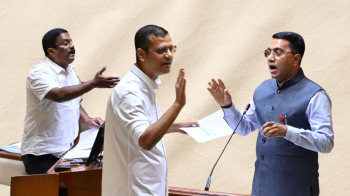
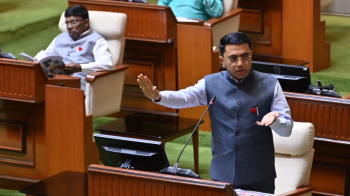
The contest pits a BJP-backed panel led by MLA and Revenue Minister Atanasio Babush Monserrate against the ‘Ami Panjekar’ panel, a coalition of Congress, AAP, and CCP veterans joined by Utpal Parrikar. Yet, despite the demographic weight of seniors, neither side has articulated a clear welfare agenda for them.
Medical experts warn that this neglect comes at a critical time.
Goa records a higher incidence of Alzheimer’s disease compared to the national average, with nearly 9 per cent of people above 65 affected.
Specialists attribute this to the State’s better health indicators, higher life expectancy, and socio-economic conditions, which paradoxically increase the risk of age-related illnesses.
Dr R G Wiseman Pinto, former head of Pathology at Goa Medical College (GMC), notes that the incidence is rising due to lifestyle factors such as hypertension, diabetes, sedentary habits, poor diet, stress, and loneliness.
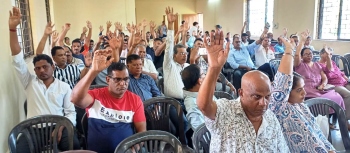
“Prevention must be the government’s priority,” he stresses, calling for health education and recreational centers for senior citizens in every city, town and village.
Echoing this, Dr Edwin Gomes, head of Geriatrics at GMC, and Dr Tereza Ferreira, head of Neurology at GMC, emphasize that keeping seniors engaged in recreational and allied activities is crucial to slowing cognitive decline.
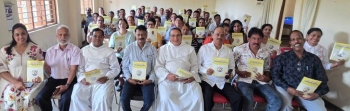
The eminent medical trio argue that civic bodies like CCP should integrate senior welfare into urban planning, from accessible public spaces to dedicated community centers where they can feel safe and engage in recreational and allied activity.
Currently, Panaji’s civic focus remains on infrastructure, sanitation, and tourism, leaving seniors without structured support systems.
Experts are warning that without intervention, the city risks a surge in age-related conditions among its residents that could strain healthcare facilities, disturb families and deepen social isolation among the elderly.
As the election campaign intensifies, the silence on senior welfare raises pressing questions about representation. With nearly one-fifth of Panaji’s population in the ageing bracket, advocates insist that both panels must move beyond rhetoric and commit to tangible measures.
For now, the city’s seniors -- many of whom helped shape Panaji’s cultural and social fabric -- remain on the margins of political discourse, even as their numbers grow and their needs become more urgent.