Experts warn trial may offer only temporary relief without stopping the flow of untreated sewage into the river
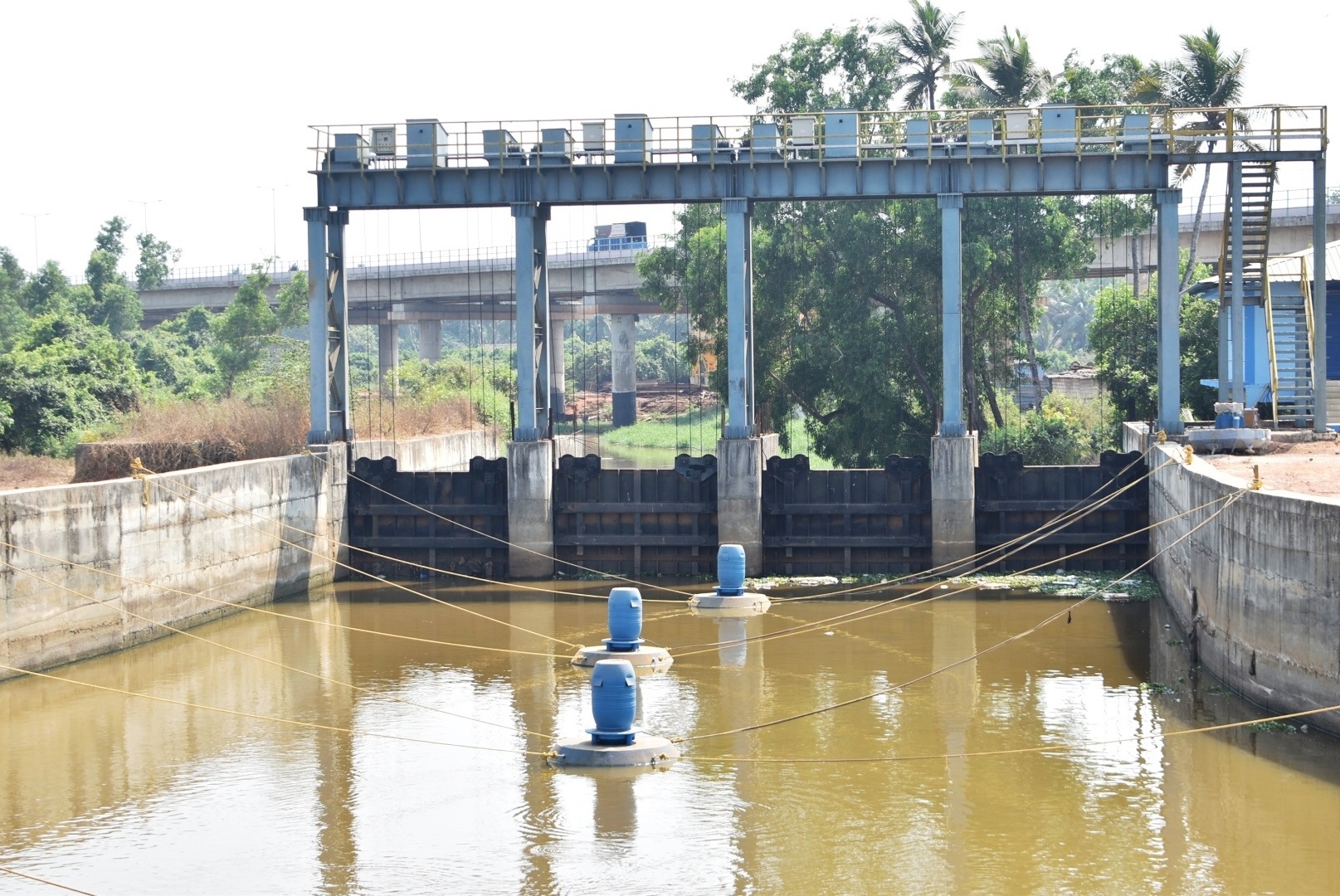
The barrage on the River Sal near the SGPDA wholesale fish market in Margao, where a pilot bioremediation project is planned.
MARGAO
Even as officials of the Water Resources Department (WRD) prepare to demonstrate and implement a pilot bioremediation project on the River Sal, a critical question remains unanswered: Can the exercise succeed when thousands of litres of untreated wastewater from the adjacent Margao wholesale fish market continue to flow into the river every day?
The proposed pilot project, estimated to cost the WRD Rs 2.20 lakh, will focus on a 60-metre stretch of the river encompassing the barrage near the wholesale fish market. The initiative involves bioremediation using a microbial liquid waste degrader in both powder and liquid forms.
WRD officials familiar with the project said the microbial degrader is a synergistic blend of naturally selected beneficial bacteria, fungi and biological additives. These microbes are designed to enhance colonisation in organic effluents, breaking down complex compounds such as fats, proteins, starch and cellulose into simpler forms in wastewater.
A senior WRD official told The Goan that a contractor will execute the work over a 15-day period to demonstrate the effectiveness of biological remediation on the River Sal.
“The outcomes of this application will support informed decision-making for long-term river restoration and potential scale-up implementation,” the official said.
According to the department, the process is expected to reduce foul odour within seven to ten days, along with a visible reduction in floating and settled sludge. Other anticipated outcomes include improved water clarity and flow characteristics, a reduction in organic load parameters such as Biological Oxygen Demand (BOD) and Chemical Oxygen Demand (COD), and the development of a stable and beneficial microbial ecosystem.
The official explained that the treatment will involve the biological application of the product across the selected river stretch.
“The product will be applied through manual spraying and controlled dosing at pre-identified locations. Dosing will be carried out on alternate days to sustain microbial activity without disturbing the natural ecology,” he said, adding that no chemicals or mechanical interventions will be used.
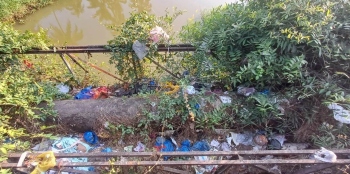
However, environmental observers point out that unless the inflow of untreated effluents from the fish market is addressed simultaneously, the long-term impact of the bioremediation exercise may remain limited. Both raw sewage and effluents from the wholesale fish market flow into the River Sal near the barrage, contaminating the river.
WRD officials said sewage discharge from the damaged main sewer trunk line has reduced considerably following its replacement. However, they expressed concern over the continued discharge of effluents from the wholesale fish market into the river.
Recently, the WRD had written to the South Goa Planning and Development Authority (SGPDA), urging it to take steps to prevent market effluents from entering the River Sal.
“There has been no change so far. We will write again to the PDA to ensure that effluents are treated before entering the river. Otherwise, all our efforts aimed at bioremediation of the River Sal will go to waste,” the official added.
====
Wastewater question hangs over redeveloped Margao fish market
MARGAO: As the South Goa Planning and Development Authority (SGPDA) prepares to commission the redeveloped Margao wholesale fish market, tentatively on January 23, a key question remains unanswered: Is the revamped market facility equipped with an effluent treatment system to handle the thousands of litres of wastewater generated daily at Goa’s only wholesale fish market?
Notably, the SGPDA-run wholesale fish market has operated for years without a functional effluent treatment facility. As a result, wastewater generated at the market has been flowing through drains and eventually emptying into the adjoining River Sal.
When the market redevelopment project was proposed nearly five years ago, the planning body had engaged a professor from BITS Pilani to design a natural wastewater treatment system. While the project was reportedly set up at the market premises, its current status remains unclear due to the lack of upkeep and maintenance.
This raises critical questions over whether the SGPDA has revived the BITS Pilani-designed treatment system, or has installed a new effluent treatment plant (ETP) during the market redevelopment, or continues to allow untreated wastewater from the market to flow into the River Sal in the absence of a functional treatment facility.
Work on Phase I of the redeveloped Margao wholesale fish market was completed by the Goa State Infrastructure Development Corporation (GSIDC) about a year ago, providing the planning authority ample time to address the effluent management issues that have long plagued the facility.
Recently, the SGPDA floated tenders to appoint contractors for the upkeep and maintenance of sanitation facilities and the market. However, it remains unclear whether these measures include provisions for wastewater treatment and environmental compliance.