


MARGAO
With less than a month remaining for the onset of the southwest monsoon in Goa ” which normally arrives around June 6 ” growing concern is being voiced by residents and elected representatives over the unchecked spread of water hyacinth in the River Sal and the environmental threat it could once again pose to Salcete coastal belt.
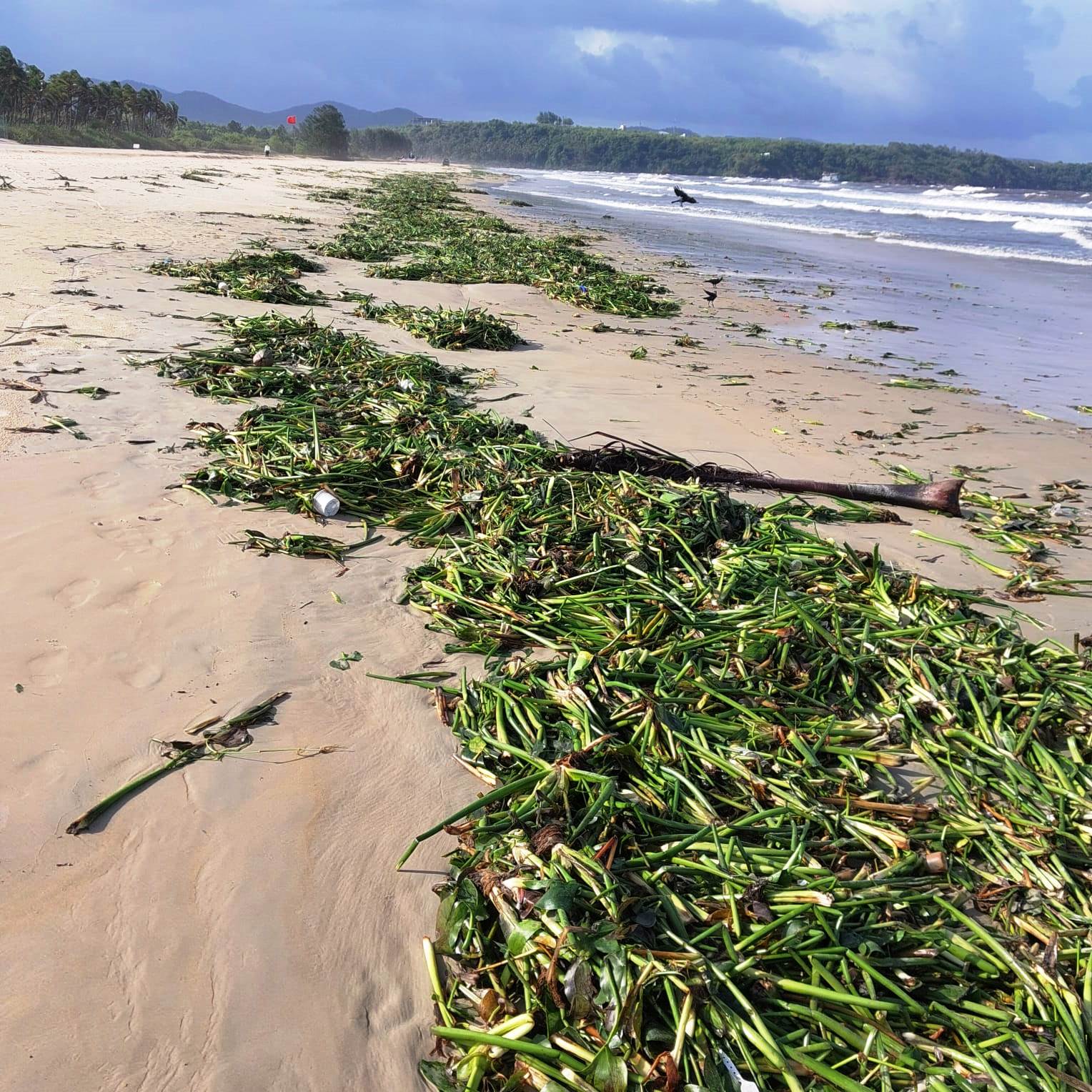
The concern is rooted in last year’s experience, when heavy pre-monsoon rains and strong river currents washed massive quantities of water hyacinth downstream towards Betul, where the River Sal meets the Arabian Sea. The floating weed eventually accumulated along a significant stretch of Mobor beach in Cavelossim village, leaving behind heaps of rotting vegetation that triggered foul odour, environmental pollution and inconvenience to locals, fishermen and visitors alike.
As the monsoon season draws near once again, a critical question is being raised before the concerned authorities, particularly the Water Resources Department (WRD): Has any concrete plan been put in place to remove the invasive weed from the River Sal and prevent a repeat of last year’s situation at Betul and the Mobor-Cavelossim beach belt?
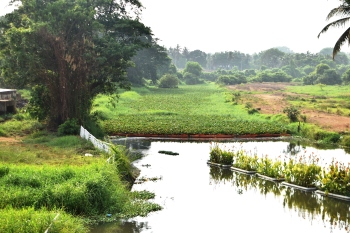
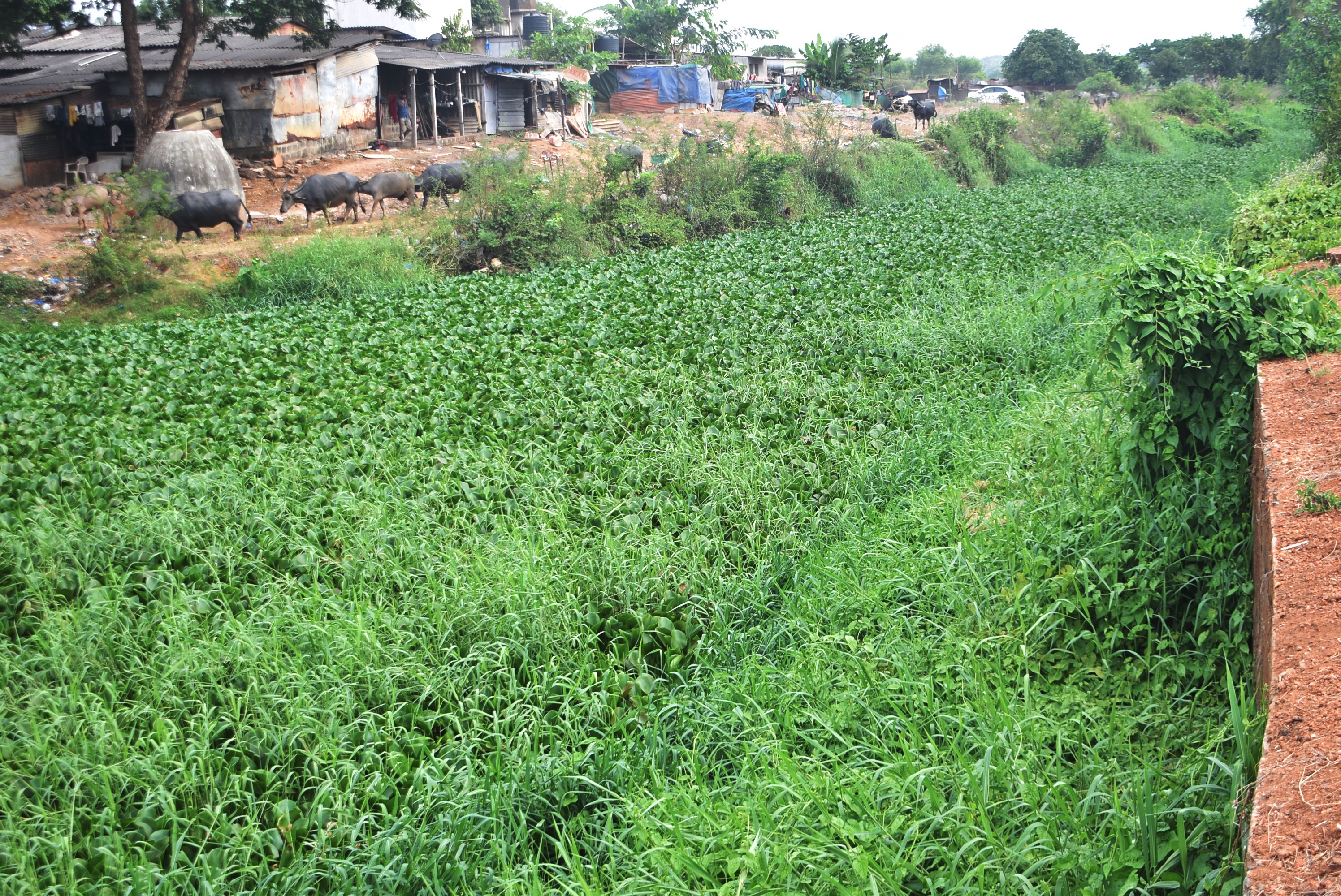
A ground visit to the Khareband bridge area paints a worrying picture. While portions of the river directly below the bridge have been beautified and partially cleared of weed growth ” complete with ornamental lighting installed along the banks ” vast stretches of the river on both sides continue to remain choked with dense carpets of water hyacinth.
The stretch towards Benaulim remains heavily infested right up to the bridge, indicating that the clean-up efforts have largely been limited to the immediate vicinity of the bridge for cosmetic improvement, while the larger river course remains neglected. The same situation prevails towards the Khareband-Kharelem side, where thick clusters of the floating weed continue to dominate the river surface.
The present condition has intensified public concern and raised serious questions over whether the authorities have formulated any de-weeding strategy ahead of the monsoon, or whether they are once again relying on nature to flush the weed out into the sea ” potentially creating another environmental crisis along the coast.
Inquiries by The Goan have revealed that, as of now, there is reportedly no immediate plan in place to undertake large-scale de-weeding operations along the Khareband-Navelim stretch of the river. Sources in the WRD stated that any such exercise would require substantial financial allocation and that a final decision would have to be taken at the government level.
Environmental observers point out that unchecked growth of water hyacinth not only obstructs the natural flow of rivers, but also affects aquatic biodiversity, reduces oxygen levels in the water, hampers fishing activity and creates breeding grounds for mosquitoes and other pests. During heavy rains, the weed often breaks loose in massive quantities and gets carried downstream, eventually piling up along estuaries and beaches.
With the monsoon fast approaching, residents along the River Sal and the coastal belt now await urgent intervention from the authorities to prevent yet another ecological and civic problem from unfolding.
Sarpanch warns authorities ahead of worsening monsoon crisis
Cavelossim Sarpanch Dixon Vaz has urged the authorities not to take the issue lightly, warning of the environmental and public health consequences of inaction.
“I have already submitted a representation to the Goa State Pollution Control Board highlighting the environmental pollution caused at Mobor beach after tonnes of water hyacinth were washed ashore during last year’s monsoon,” Vaz said.
“I only hope better sense prevails and the concerned authorities act in time to spare the Mobor-Cavelossim beach belt from another round of pollution and nuisance this monsoon,” he added.
Vaz further stated that the Cavelossim Village Panchayat had alerted the authorities over a month ago, providing them with sufficient time to initiate preventive measures.
“We have done our part by bringing the matter to their notice well in advance. Now it is for the concerned departments to act responsibly and take the necessary corrective steps before the rains intensify,” he said.


