PANAJI
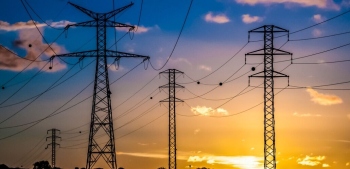
The Electricity department had entered 2025 with promises of modernization and improved reliability. Several infrastructure upgrades were rolled out, including strengthening transmission lines and expanding substation capacity to meet rising demand.
Yet, power outages remained a recurring complaint, particularly during the monsoon months when heavy rains exposed vulnerabilities in the grid.
While the department emphasized its investments in underground cabling and smart metering pilots, citizens often felt the gap between policy announcements and ground realities.
This year saw the launch of the 'Goem Vinamulya Vij Yevjan' scheme, linking the older State government's initiatives on solar power with the national PM Surya Ghar Muft Bijli Yojana, aimed at accelerating rooftop solar adoption.
The State set a target of 10 MW of residential rooftop installations by June 2025, offering up to 5 kW free rooftop systems for households consuming less than 400 units per month.
By December, progress is visible but modest -- applications surged, yet installation bottlenecks and awareness gaps slowed momentum. Still, the scheme marked a significant step toward enhancing the share of renewable energy to meet Goa's energy needs.
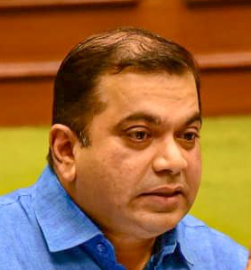
On another plane, however, little or no progress was made in Power Minister Ramkrishna (sudin) Dhavlikar's claims made on the floor of the Goa legislative assembly that solar energy panels will be installed on all government buildings wherever feasible.
Dhavlikar's plan to install floating solar energy stations in reservoirs of all dams in the State was a non-starter with the Water Resources Department (WRD) junking the plan citing safety and other technical reasons.
For ordinary Goans meanwhile, 2025 was a mixed bag. Digital billing and online complaint systems improved accessibility, but many consumers continued to report erratic billing and delayed grievance redressal.
Fraudulent SMS alerts about disconnections also caused anxiety, prompting the department to issue public advisories. On the positive side, tariff rationalization and subsidies under solar schemes offered relief to low-consumption households.
The department’s outreach campaigns, though limited, hinted at a shift toward more consumer-centric governance, though.
As 2025 closes, the Electricity Department stands at a crossroads: Infrastructure upgrades and solar initiatives have laid a foundation, but outages and consumer grievances remind us of unfinished business.