MAPUSA
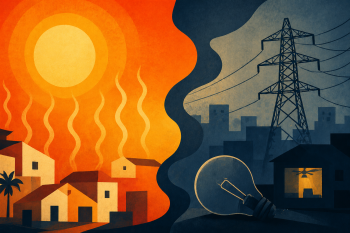
In a rare face-off between two arms of the government, the Calangute village panchayat switched off electricity to the local traffic police premises after the department failed to clear its share of power dues accumulated over nearly 15 years.
The disruption, which lasted five days, was resolved on Tuesday after assurances of payment from the police department.
The traffic police have been operating out of a building owned by the panchayat since 2011, drawing electricity from a meter registered in the name of the Calangute panchayat.
According to sarpanch Joseph Sequeira, the panchayat received a cumulative bill of around Rs 16 lakh.
“We asked the traffic police department to pay Rs 8 lakh while the panchayat would bear the remaining amount,” Sequeira said, adding that repeated notices to the department and letters to senior police officials went unanswered.
The matter was also escalated to the chief minister.
Sequeira pointed out that the panchayat had not only been paying the electricity bills but also maintaining the premises using public funds.
“We are spending public money on repairs as well as electricity. We requested the department to at least share half the burden,” he said, stressing that dues owed to the panchayat must be cleared.
Defending the move, the sarpanch clarified, “We have not cut the power. We only put the power off,” adding that the action was taken after following due procedure.
The power shutdown disrupted routine functioning at the traffic police unit for five days, causing inconvenience to staff.
The impasse was eventually resolved following the intervention of local MLA Michael Lobo, who said the panchayat agreed to restore electricity after the police department committed to settling the dues.
“I have spoken to senior police officers who have assured that the file for payment will be moved,” Lobo said.
With power restored and payment now in process, the episode has drawn attention to long-pending inter-departmental dues and the unusual step of a local self-governing body enforcing accountability on a government department.