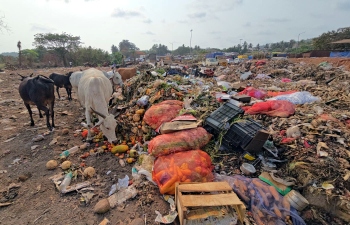
Rapid clean-up restores Cavelossim-Mobor stretch; calls grow for maritime enforcement
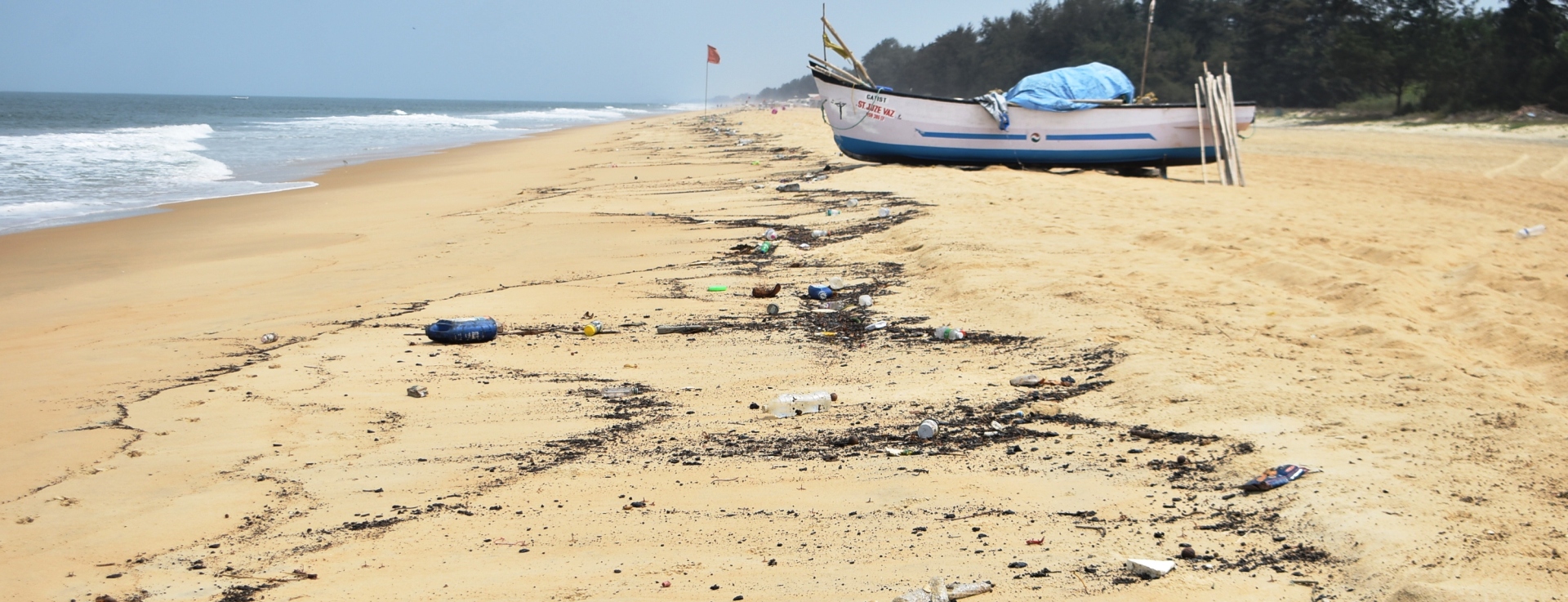
Tar balls have surfaced on the Cavelossim beach belt on early Tuesday evening, ringing alarm bells for the tourism stakeholders.
MARGAO
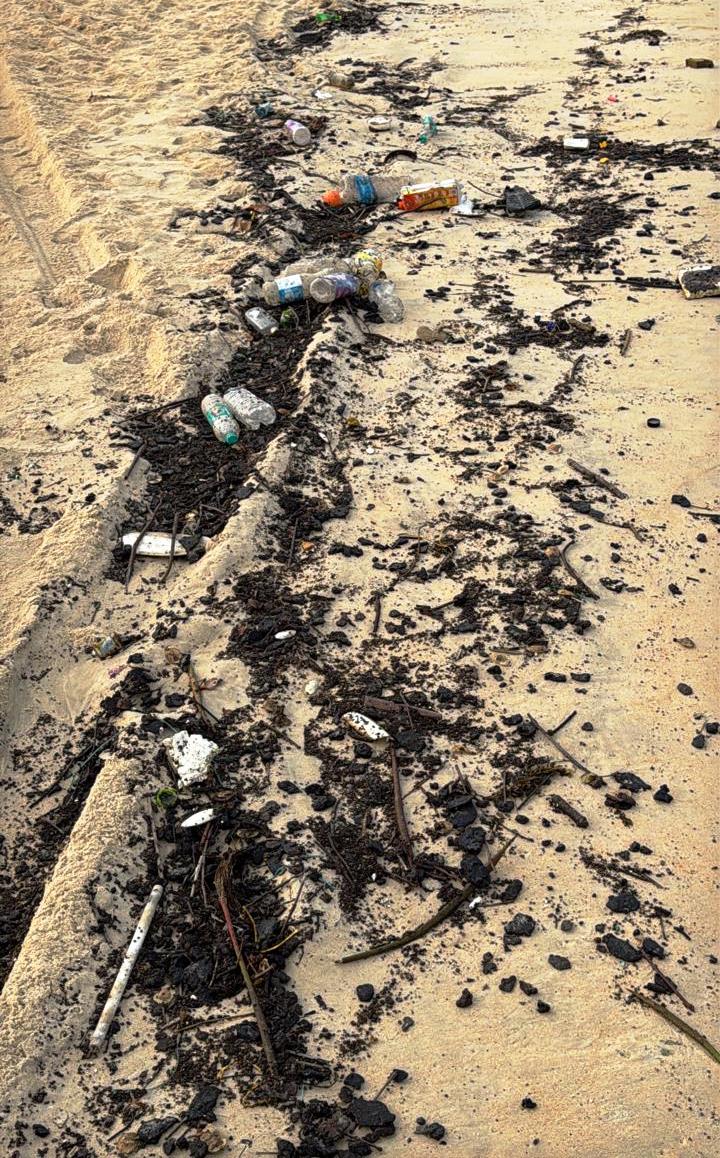
Tar balls resurfaced along South Goa’s coastline on Tuesday morning, once again raising concerns among tourism stakeholders, fishermen and local authorities. The otherwise pristine Cavelossim-Mobor beach belt witnessed deposits of sticky, oil-derived lumps, alarming early morning visitors, including tourists and fishermen.
Cavelossim Sarpanch Dixon Vaz, who was on a morning walk on the beach, said the tar balls were spotted scattered across stretches of the beach. He immediately alerted the Director of Tourism and contacted representatives of the beach cleaning agency to initiate urgent clean-up operations. “Prompt action was necessary to ensure that the beach is restored for visitors at the earliest,” Vaz said.
By noon, workers had been deployed to the affected areas, launching a coordinated clean-up effort. With support from local stakeholders, including resort representatives who responded to the panchayat’s call for assistance, the removal of tar balls was carried out on a war footing.
Officials confirmed that the beach was largely cleared by evening, allowing normal activity to resume.
The sarpanch, however, cautioned that the recurring appearance of tar balls remains a serious environmental and economic concern. “This is the time of the year when tar balls typically wash ashore. Oil discharged into the sea by ships eventually solidifies into these deposits, which are then carried to the coastline,” he explained.
He further emphasised the need for stronger enforcement and coordination between State and Central authorities to address the root cause. “This is not just a local issue—it requires intervention at higher levels. Strict action must be taken against vessels that illegally discharge oil into the ocean,” Vaz said.
The presence of tar balls poses a significant threat to Goa’s tourism-dependent economy, particularly in coastal areas known for their natural beauty. “Visitors come here for clean beaches and a serene environment. Incidents like this can damage Goa’s reputation as a premier tourist destination,” Vaz added.
Fishermen lamented that the tar balls along with plastic and other waste that is washed ashore at this point of the year affect their fishing activities in a big way.
Local authorities and tourism stakeholders have reiterated calls for a long-term solution, including stricter maritime monitoring and preventive measures, to safeguard the State’s coastline from further environmental degradation.
Beach cleaned, but questions arise over tar waste disposal
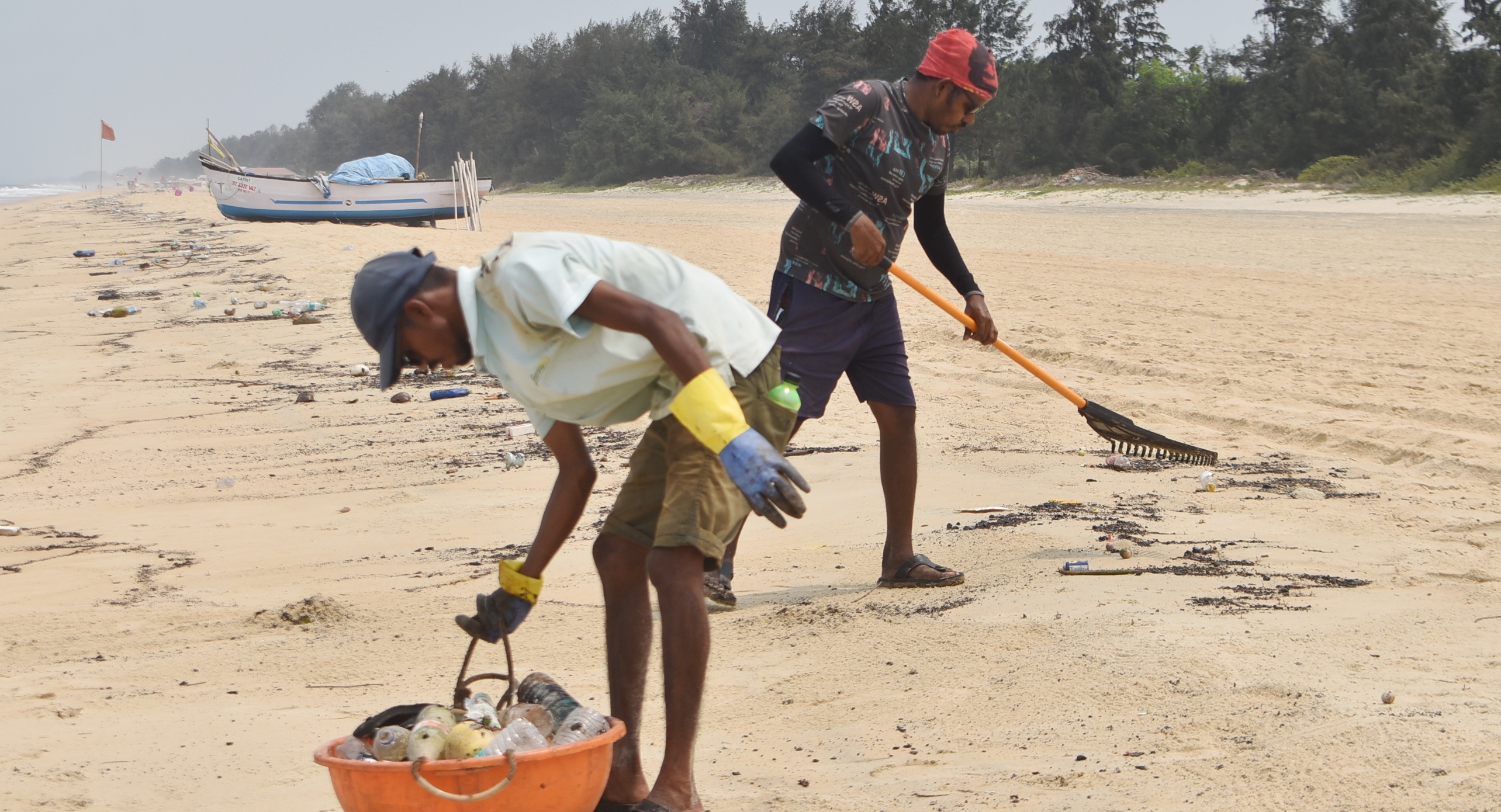
MARGAO: By Tuesday evening, tar balls that had washed ashore along the Cavelossim beach stretch were cleared in a joint clean-up operation carried out by the beach management agency and the local panchayat.
While the immediate response restored the beach for visitors, a key concern remains unresolved: the safe disposal and transportation of the collected tar waste.
A site supervisor from the beach management agency said that workers had gathered the tar balls and consolidated them at a designated spot along the shore. However, questions are now being raised about the next steps, particularly the absence of a clear protocol for environmentally safe disposal of the hazardous material.
Sources indicated that the Union Ministry of Environment, Forest and Climate Change recently unveiled draft regulations aimed at addressing precisely such gaps.
The proposed Tar Balls Management Rules, 2026 are designed to establish a structured framework for managing tar ball pollution and protecting coastal and marine ecosystems from oil spill-related damage.
The draft rules outline specific responsibilities for State governments, district administrations, and key ministries and agencies to both prevent oil spills and ensure timely clean-up. They propose assigning primary responsibility to State governments and district authorities for the environmentally sound management of tar balls.
A key provision includes the constitution of State-Level Crisis Management Groups under the National Oil Spill Disaster Contingency Plan (NOSDCP), overseen by the Indian Coast Guard. These groups would coordinate response efforts and streamline action during such environmental incidents.
According to sources, the draft also recommends that tar ball pollution in coastal areas be formally declared a “State disaster”, enabling authorities to invoke provisions under the Disaster Management Act for more effective intervention. The rules further mandate State governments to oversee the treatment, storage, and final disposal of collected tar balls.
At the district level, administrations would be tasked with the collection, handling, processing, and transportation of tar balls found along beaches. Additionally, tar ball management is proposed to be incorporated into District Disaster Management Plans, ensuring preparedness and a coordinated response mechanism at the local level.
The proposed framework, once finalised, is expected to address the current ambiguity surrounding disposal practices and strengthen institutional accountability in tackling this recurring coastal pollution issue.