Tuberculosis (TB) continues to be a major global health challenge, especially so in India, where its incidence is particularly high, with a staggering 25 per cent of global cases and nearly 29 per cent of deaths. The communicable disease affects the lungs and other organs, lymph nodes, the abdomen and the spine. Dr Lawande highlights the severity of TB transmission and emphasises the importance of seeking prompt medical attention
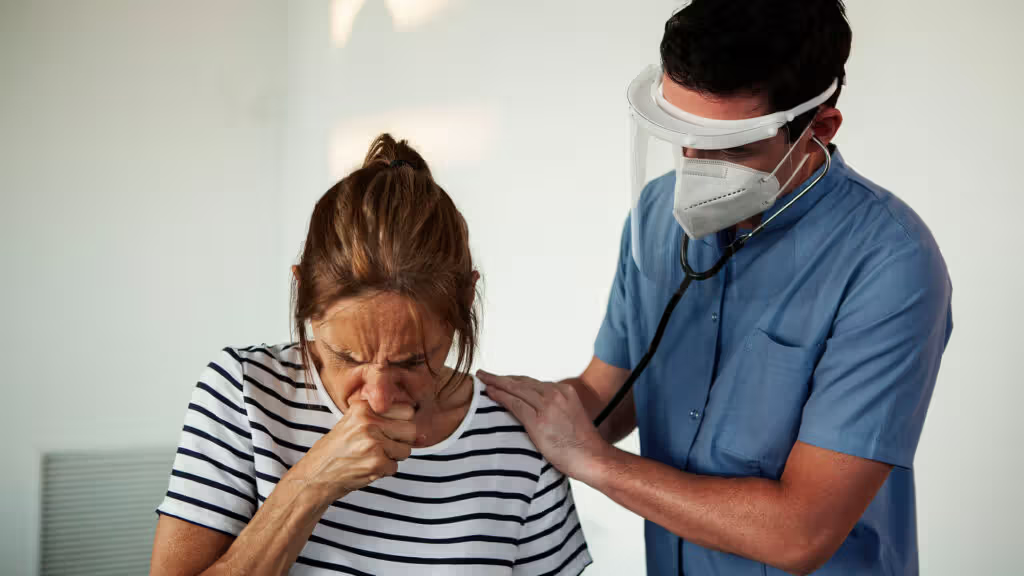
Tuberculosis, or TB, is a communicable disease caused by the bacteria Mycobacterium tuberculosis which commonly affects the lungs. The disease is transmitted through airborne droplets of sputum when an infected person coughs, sneezes or talks. There are two main subtypes of TB: pulmonary TB, which is infectious, primarily affecting the lungs and accounting for 85 percent of cases; and extrapulmonary TB, which is less common, representing 15 percent of total TB cases and can affect any part of the body, especially the lymph nodes, pleura, abdomen and spine.
A person with active TB can infect 10–15 individuals in close contact, and thus, the disease spreads more rapidly among individuals living in congested areas with poor ventilation. However, most infected individuals have a latent TB infection (LTBI), a state wherein the patient is not suffering from active TB disease but evidence points to the patient having acquired the infection. People with LTBI represent a reservoir for active TB cases, and five to ten percent of cases can progress to active states or reactivate the infection if the patients have underlying immunocompromising conditions, like HIV, diabetes mellitus, malnutrition, tobacco and alcohol use disorders. According to recent estimates, a quarter of the global population is infected with LTBI. Preventing this progression is an important public health goal that can substantially reduce transmissions. Although TB can affect individuals of all ages, it primarily impacts adults between the ages of 25 and 55 years.
While the symptoms for extrapulmonary TB depend on the specific site and organ affected, the symptoms of active lung or pulmonary TB are highly concurrent with other communicable diseases like influenza and Covid-19, including cough, fever, appetite and weight loss. Therefore, diagnosing the disease requires specific tests. It is advisable that anybody who has a cough for more than 15 days or is suffering from diabetes and has a cough for any length of time should seek further investigations like sputum examination and X-ray of the chest to rule out tuberculosis. The WHO (World Health Organisation) recommends using rapid molecular diagnostic tests, such as the X-pert MTB/Rif ultra (CBNAAT) and TruNAAT assays. Other supportive tests include liquid culture and drug susceptibility tests. In cases of suspected extrapulmonary TB, radiological imaging and histopathological examinations of biopsied material confirm the diagnosis.
TB is a preventable, treatable and curable disease, and its treatment is available for free under the public sector National Tuberculosis Elimination Programme (NTEP). The programme is also extended to the private sector and offers free diagnosis and treatment and nutritional support to the patients until they finish the course of anti-TB treatment. The treatment includes a standard four-drug regimen for the initial two months, followed by four months of treatment with three drugs. If a patient shows resistance to the drugs, it is referred to as MDR TB or drug-resistant TB. Drug resistance emerges when TB medicines are used inappropriately through incorrect prescriptions by healthcare providers, poor-quality drugs and patients stopping treatment prematurely. The programme has laid down guidelines for the management of drug-resistant TB depending on the culture reports. MDR TB is treatable by second-line anti-TB drugs and extensive chemotherapy, now administered by government-approved DRTB centres at medical colleges and district hospitals. These options are more toxic, with a success rate of 70-80 percent.
The takeaway message is TB is a curable disease if treatment plans are adhered to and prevented from turning into a drug-resistant strain.
(The writer is consultant pulmonologist at the Healthway Hospital, Old Goa)