Millions of people around the world suffer from asthma and its symptoms, often characterised by a struggle for breath. Those not directly affected by the disease often overlook these symptoms. Therefore, there is a need for awareness about the condition, which can in turn help in recognising the symptoms early and in offering the right support. This respiratory challenge, which is becoming increasingly common, has seen a steady rise in cases, particularly in urban areas where pollution plays a direct role. In regions like Goa, factors such as high humidity, excessive vehicle emissions, construction dust, and waste burning contribute significantly to the frequency of respiratory distress.
An asthma attack occurs when the airways in the lungs become inflamed and constricted, and excess mucus burdens the lungs. Diagnosis of the disease encompasses a clinical process where doctors evaluate a patient's medical history alongside other symptoms like wheezing, tightness in the chest and frequent nighttime or early morning coughs. Spirometry forms a key component of this assessment wherein a breathing test is undertaken to measure lung function and establish a definitive diagnosis. In some instances, doctors may prescribe a trial of an inhaled medication to see if the symptoms alleviate, which in turn helps confirm the condition.
An asthma attack can be a frightening experience, as it often feels like an intense pressure in the chest, making it progressively harder to draw a breath. During these episodes, a person may be unable to finish a sentence while speaking because their lungs lack the air to do so. A major symptom that warrants urgent medical intervention is when the patient’s lips take on a bluish, cyanotic tint, implying a lack of oxygen in the body.
While asthma can be managed effectively with medication, it is often triggered by a combination of genetic predisposition and environmental factors such as pollen, animal dander, smoke, or even psychological stress and exercise. Therefore, these must be strictly avoided or protected against by the use of masks.
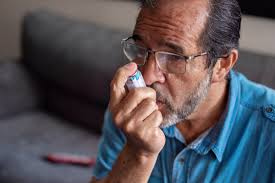
The cornerstone of treatment for asthma remains the inhalers, which deliver medication directly to the lungs with fewer side effects than oral drugs. Most patients utilise two inhalers “ a controller inhaler, to reduce long-term swelling, and a rescue inhaler, to immediately open airways during an attack. For those with moderate to severe cases, physicians may supplement these with oral pills or injections.
In India, while inhalers are generally accessible in urban centres, they remain underutilised due to a lack of lung health education and lingering social stigmas. In Goa specifically, while access is better, there is still a significant need for improved awareness and proper technique.
Ultimately, success in managing the condition depends on a proactive lifestyle and diligent care. While there is no specific ‘asthma-friendly diet', maintaining a healthy weight and consuming fresh produce and plenty of liquids is highly recommended. Carers play a vital role by ensuring inhalers are used as prescribed and keeping an emergency inhaler ready at all times. By avoiding known triggers and maintaining close communication with healthcare providers, most people with asthma can lead completely normal, active and fulfilling lives.
(The writer is consultant pulmonologist at Healthway Hospitals, Old Goa)