Heatstroke is a serious medical emergency, where the body overheats and cannot cool itself down. Under normal circumstances, the human body can regulate its own heat, mainly through sweat. When environmental temperatures soar, typically crossing temperatures of about 35“37°C and the humidity level also rises, people begin to feel uncomfortable. Higher humidity makes it harder for sweat to evaporate, so the body feels hotter than the actual temperature.
Prolonged exposure to extreme heat can make symptoms worsen over time. Initial signs usually include dehydration (or loss of fluid) and painful muscle spasms known as heat cramps, heat exhaustion, characterised by weakness, dizziness and nausea. If exposure continues, it leads to a heatstroke, which is a medical emergency. People may feel tired, irritable, dizzy or develop headaches and low blood pressure.
If not treated quickly, heatstroke can be life-threatening. The heart takes on immense strain due to dehydration; the kidneys struggle due to fluid loss; and the brain can get affected as well, leading to confusion or even loss of consciousness. It can also affect the liver and muscles. If severe, it can lead to organ failure. Some people may even face long-term problems after recovery, such as weakness, chronic kidney issues or difficulty concentrating.
In case of a heatstroke, time is the most critical factor, as it needs urgent care. The immediate goal is to cool the body first. The person should be moved to a cool place immediately. Excess clothing should be removed and the body should be cooled using wet cloths, fans or cool water. If the person is conscious, they must be given oral fluids, while severe cases may need hospital care with IV fluids and monitoring.
Initial cooling should begin immediately and continue until the person feels better and temperature drops. While it may take thirty minutes to a few hours to cool the person, the recovery phase is much longer. It is essential to rest and maintain high hydration for 24 to 48 hours and strictly avoid going into the heat too soon.
Prevention is better than cure; and preventing heatstroke involves a combination of lifestyle adjustments and environmental awareness. During peak heat hours, between 12 PM and 4 PM, it is advisable to remain indoors. When going out, one should opt for light, loose-fitting cotton clothing and use hats and umbrellas and sunglasses. Try to stay in shaded or cool areas and never leave children or elderly in parked vehicles. And most importantly, drink plenty of water.
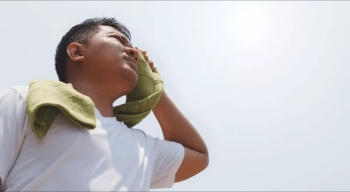
For those who work outdoors, they should take frequent breaks in the shade, drink water every 20“30 minutes, even if they are not thirsty. Use caps, scarves or cooling towels; try and schedule heavy work in early morning or evening; work in teams so signs of heat illness are noticed early.
Ultimately, navigating a heat wave requires a proactive mindset. By staying hydrated, recognising early warning signs and looking out for vulnerable populations like children and the elderly, we can avoid falling victim to its dangers.
===============================
Box 1
Recognising the signs of heat illness (head)
Heat Exhaustion: Weakness, dizziness, nausea.
Heatstroke: People may feel tired, irritable, dizzy or develop headaches and low blood pressure.
Physical Indicators: painful muscle spasms or heat cramps; dehydration.
==================================
Box 2
Hydration and lifestyle strategies (head)
Smart hydration: Drink plenty of water: Don’t wait for thirst, drink regularly. Include oral rehydration solutions, coconut water, lemon water. Increase fluid intake during illness, travel or outdoor work.
Dietary choices: Opt for fruits like watermelon, cucumber and oranges.
Safe exercise: Limit outdoor workouts to the early morning or late evening. If you feel weak or dizzy, stop immediately. Keep workouts shorter and less intense.
Keep a check on: Urine output.
(The writer is Consultant Physician at Healthway Hospital, Old Goa)