


PANAJI
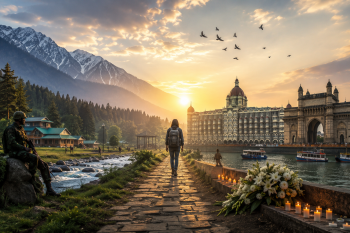
The scenic valleys and snow-capped mountains of Pahalgam were shattered when terror struck on April 22, 2025. The region suffered, while the terrorists went about claiming innocent lives for a day and leaving fear in their wake for several more. Markets fell silent, and streets grew quieter. Scared and concerned for their lives, travellers steered clear of Kashmir. Tourism saw a sharp decline, and tourists avoided visiting the destination considered paradise on earth.
Though tourists have slowly begun returning in recent days, the memories of the attack still linger. “The terrorist attack affected everything very badly, including hotels, tourism, and stays. However, only recently has the situation slowly started stabilising,” shared Ahraz, Founder of Goa Adventure Club. For many, Kashmir continues to remain a dream destination, but incidents like these leave behind scars that go beyond the immediate tragedy. Yukta Prabhu, co-founder of GoCo Trails, expressed her views. “Yes, tourists are slowly returning to places like Pahalgam, including travellers from Goa as well. But safety remains their main concern,” she stated, further adding, “In fact, many travellers specifically request that Pahalgam not be included in their itinerary.”
Places Marked by Terror
Years earlier, Mumbai witnessed a similar disaster on an unimaginable level. On November 26, 2008, the country and the world watched in horror as the city came under a terror attack. From the bullet marks preserved at Leopold Cafe to memorial plaques honouring victims, several sites linked to the attacks slowly became part of history walks for people wanting to understand and remember those tragic days.
Places once known simply for culture, food, and everyday life had unwillingly become associated with terror. On National Anti-Terrorism Day, places like Pahalgam and Mumbai stand as reminders of how terrorism changes the identity of spaces forever. Destinations meant to hold memories of joy, travel, and ordinary life should never have had to carry the scars of fear and loss in the first place.
Terror attacks leave behind scars far beyond the immediate tragedy. Along with the loss of lives, they alter the identity of places once associated with beauty, culture, and everyday life. From Mumbai after the 26/11 attacks to destinations like Pahalgam, tourism witnessed a sharp decline as fear and uncertainty took over. Yet, over time, people slowly returned. Places like Leopold Cafe, CST Terminus, and the Taj Mahal Palace Hotel today continue to stand as reminders of the horrors they once witnessed.
Hope Returns
National Anti-Terrorism Day, observed every year on May 21, aims to spread awareness about the destructive impact of terrorism on people and society. “Tragedies like these indeed adversely affect tourism, as, for a tourist, curiosity to see the place where it occurred is always normal,” mentions Ahraz. Beyond the immediate loss of lives, terror attacks leave behind fear, trauma, and long-lasting social impacts. “It is only a small number of people who find it exciting to visit places connected to tragic incidents. At the same time, we also feel that visiting such places can sometimes help remove fear from people’s minds. Ultimately, it is our own land, and people want to experience it beyond the fear attached to certain events,” replies Prabhu.
As tourists slowly return to destinations like Pahalgam, sites linked to the 26/11 attacks serve as a reminder of strength and resilience. “Confidence is gradually rebuilding because tourism activities have resumed normally, and people also see others travelling there safely through social media and personal experiences,” shares Prabhu.
Acts of terrorism are designed to spread fear far beyond the immediate attack, turning places of peace into symbols of uncertainty. However, every visitor who returns, every journey resumed, and every community that continues to live, work, and welcome others becomes a quiet act of resistance against that fear. Through stronger security measures, public awareness, and collective resilience, these spaces continue to stand not only as reminders of tragedy but also as symbols of society’s refusal to let terrorism disrupt everyday life forever.


