The recently concluded five-day Goa Book Festival emerged as a vibrant celebration of literature, culture and ideas, drawing record crowds with its mix of book exhibitions, author interactions, cultural discussions, creative competitions and thought-provoking sessions that engaged readers of all ages
PANAJI
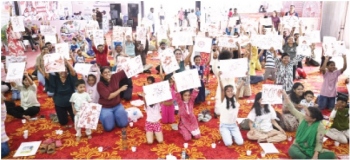
The five-day Goa Book Festival, which concluded on Sunday, recorded a footfall of over 1.25 lakh visitors who attended brainstorming sessions, writer and artist felicitations, photo and painting competitions, and children’s games and quizzes. Visitors browsed and purchased books from over 200 stalls set up by publishers from Goa, Maharashtra and other States, showcasing more than two lakh titles. Several schools brought students to the festival, where they met celebrities and dignitaries. Many artists painted live at the venue, while others exhibited completed works across the campus. Writers, authors, and stage and film artistes shared their journeys through free ‘in conversation’ sessions.
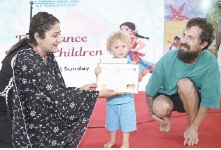
The winners: 1st Prize Parthavi Sawant; 2nd prize Rohan Shetkar, Saipandhari Naik; 3rd prize Ishan Kakodkar, Anariz Silvera, Alysia Dsilva. Consolation 1st series “ Devishka Pereira, Shivani Pednekar, Ruchi Mane, Judo Fernandes, Yash Naik, Consolation 2nd series “ Sanjeet Naik, Shrungi Dhulapkar, Sanisha Simepuruskar, Saanvi Kamat, Arjun Sutar.
Goan writers honoured
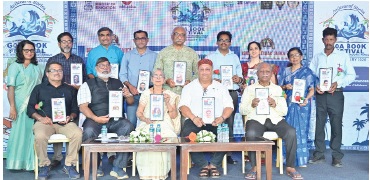
Veteran Goan writer and Padma Shri awardee Vinayak Khedekar was felicitated at the book festival along with 52 eminent literary figures from the State, including Marathi writers, novelists, poets, poetesses and emerging authors, at the hands of NBT chairman Prof Milind Sudhakar Marathe, chief patron of the Goa Book Festival and chairman of the Lokmanya Multipurpose Society Dr Kiran Thakur, and Kishor magazine editor Kiran Bendre.
Goa’s multilingual future
Addressing language concerns, the festival hosted a panel discussion titled ‘Konkani, Marathi, English: Multilingual Future of Goa’, which explored Goa’s layered linguistic landscape and evolving cultural identity. Speakers reflected on multilingualism as a lived reality shaped by history, education, literature and everyday practice. Rather than positioning languages in opposition, the session stressed dialogue, balance and adaptability, highlighting that Goa’s future lies in embracing its multilingual ethos as a strength. Panelists included Prof Milind Sudhakar Marathe, chairman of NBT-India; veteran journalist Paresh Prabhu; writer Ramesh Saju Ghadi; and academic Vinayak Laxman Bapat.
Why dissatisfaction fuels frustration
Acharya Prashant, while interacting with Amit Bhatia, analysed the reasons people face frustration in their personal and professional lives. “If one seeks real contentment, one will not repeat the same mistakes or chase material pleasures such as a new home, car or job to mask personal dissatisfaction. Dissatisfaction is always disturbing, and most people do not search for true satisfaction, resulting in psychological chaos,” he said.
From text to screen
The session ‘From Text to Screen: The Art of Adaptation’, featuring filmmaker Chandraprakash Dwivedi in conversation with Dev Kanya Thakur, explored the process of transforming history and literature into visual narratives. Dwivedi said adaptation goes beyond the written word, drawing from texts like Kautilya’s Arthashastra, social practices and imagination. He highlighted the importance of research, inference and creative intuition in constructing believable worlds, conflict and character on screen.
History as a living conversation
In the session ‘History as a Living Conversation’, Mohan Shete, in conversation with Sanjay Chakanne, brought history alive through his easy, flowing narrative style. Drawing from Anandmath, he wove together the history of the Peshwas with heroic episodes from the life of Chhatrapati Shivaji Maharaj, transforming historical events into engaging stories.
Pilgaonkar shares life journey, plans home and film in Goa
On Sunday, veteran film actor Sachin Pilgaonkar shared his personal story in ‘The Many Lives of Sachin Pilgaonkar’, revealing his Goan roots and that his ancestors from Pilgao left Goa five generations ago. He said he plans to build a home in Pilgao and make a Konkani film with Goan artistes, giving opportunities to new faces. He also recalled beginning his film journey after his father’s printing press was destroyed in a fire.
Narrating his first opportunity as a child artist in Rajabhau Paranjape’s ‘Ha Majha Marg Ekala’ and how he received a National Award for his debut role, Sachin spoke about working in both Marathi and Hindi films, first as a child artist and later as a hero. He released his autobiography in 2013, marking 50 years in the film industry. “I wrote this book because I wanted to share my life experiences with people,” said the actor, who gifted the first copy of the book’s fourth edition to his friend in Goa, industrialist Anil Counto. He also signed copies for readers, noting that reading and writing form an essential part of cultural identity and that book fairs help nurture it.
Sachin’s message to the audience was to make time for their parents. “Parents don’t expect anything big from us; they just want us to spend some quality time with them. And if we cannot do even that, what’s the point of living?” asked Sachin, who makes it a point to dine with his parents every night.