On March 21 every year, the world marks World Down Syndrome Day—a date chosen to signify trisomy 21, as the condition is medically known. But beyond symbolism, this year’s message, “Together Against Loneliness,” urges us to confront a quieter but profound challenge: social isolation. Dr Gunjikar (Modage) helps raise awareness about the condition.
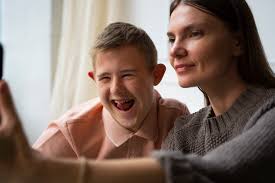
Down syndrome is the most common chromosomal condition, occurring in about 1 in 700 to 1,000 live births worldwide. It results from an extra copy of chromosome 21, which affects physical features, learning abilities, and overall development. However, what defines the lived experience of individuals with Down syndrome is not just biology—but the environment we create around them.
Traditionally, conversations around Down syndrome have focused on diagnosis and disability. Today, the narrative is changing. With advances in medical care, early intervention and inclusive education, individuals with Down syndrome are living longer, healthier and more fulfilling lives. And longevity has introduced a new dimension: the need for lifelong support systems, not just early childhood interventions.
Yes, early stimulation programmes remain the cornerstone of care. Physiotherapy, occupational therapy and speech therapy can significantly improve motor skills, communication and independence. Early neurodevelopmental profiling, has further helped tailor interventions to each child’s strengths rather than focusing only on deficits.
But intervention cannot stop at childhood. Adolescents and adults with Down syndrome face challenges that are often overlooked, including transition to employment, social integration, mental health and early-onset of Alzheimer’s disease. However, structured transition programmes and supported employment opportunities remain limited in India.
Screening has evolved and so must counselling. A major shift in recent years is the growing availability of non-invasive prenatal testing (NIPT), which uses cell-free foetal DNA in maternal blood to screen for Down syndrome with high sensitivity and specificity. While traditional screening methods like the combined first-trimester scan and second-trimester quadruple test remain valuable, NIPT is increasingly accessible in urban India.
However, this must be matched with better counselling. Expectant parents need balanced, non-directive information – not just about the medical risks, but also about quality of life, support systems and real-world outcomes.
Children with Down syndrome are at higher risk for congenital heart disease, thyroid disorders, hearing and vision problems and immune dysfunction. With proper screening protocols and timely management, most of these co-existing conditions are now treatable.
What is equally important—but less discussed—is mental health. Anxiety, behavioural challenges and social withdrawal are common, especially in environments that are not inclusive. This is where schools play a transformative role. Inclusive classrooms not only improve academic outcomes but also foster social skills, confidence and peer acceptance. For inclusion to be meaningful, teachers need training and classrooms need flexibility—not just goodwill.
Loneliness in individuals with Down syndrome is rarely about being alone — it is about not being included. In many families, overprotection unintentionally limits opportunities for independence. In society, stigma and low expectations create invisible barriers. Even in healthcare, interactions sometimes remain condition-focused rather than person-centred. We thus need to shift from a model of care to one of participation. Technology, too, is emerging as an enabler. From communication apps to structured learning platforms several companies have developed tech tailored for neurodiverse individuals.
But, perhaps the most important shift is in perspective. Individuals with Down syndrome are not defined by limitations. They bring emotional intelligence, warmth and a unique social connectedness that enrich communities. When given the right opportunities, many have led semi-independent lives, built relationships and contributed meaningfully to society.
Inclusion is, therefore, not an act of charity—it is a measure of how humane and equitable our society truly is.