If you’ve noticed your fingers turning blue in the cold and have dismissed it as ‘just cold hands’, you could be wrong. It could be an indication of Raynaud’s disease – a condition that temporarily reduces blood flow. This Raynaud’s Awareness Month, Dr Kurdikar tells us why it is important to get your cold hands and feet checked by a medical practitioner
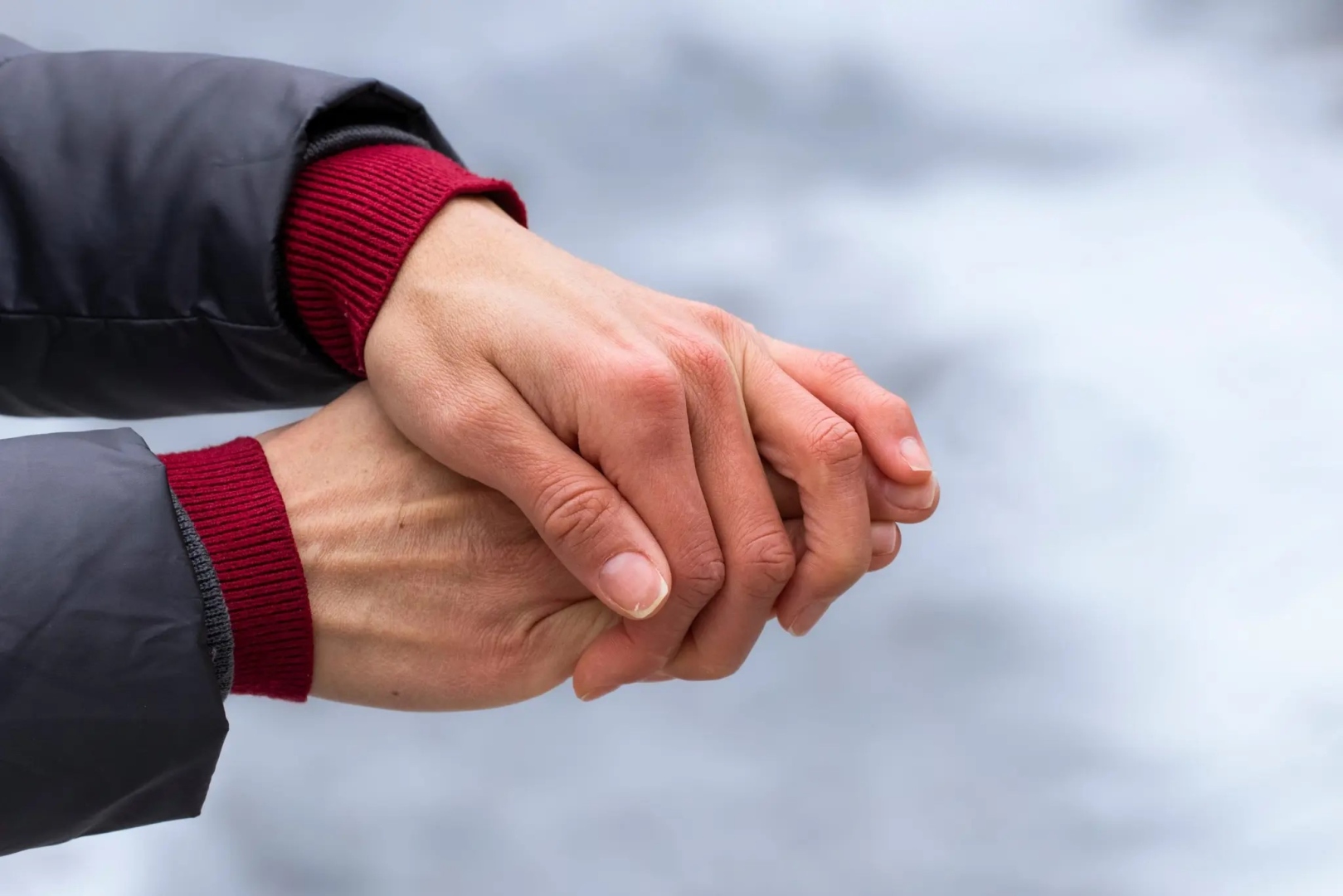
If you have noticed sudden spasms, colour changes, numbness, tingling or pain in your fingers and toes in response to cold or stress, it may be a call to visit your doctor. These are the symptoms of Raynaud’s disease — a condition wherein small blood vessels undergo sudden spasm in response to cold or stress. This temporarily reduces blood flow, leading to the aforementioned symptoms. While primary Raynaud’s, which is more common and mild, is usually not linked to any serious illness, secondary Raynaud’s is linked to other serious health conditions.
The most common symptoms of Raynaud’s include your fingers or toes turning white, blue and then red; numbness or tingling; stiffness; throbbing or pain as numbness recedes; while in severe cases, small sores may appear at the fingertips. The changes in colour of the digits happen due to excessive vasospasm or sudden constriction of the arteries. The changing colours too indicate levels of progression, i.e., white (pallor) indicates that the blood flow has been cut off, blue (cyanosis) indicates a depletion of oxygen in the trapped blood, while red (hyperaemia) indicates a sudden return of blood flow, often accompanied with throbbing. While fingers and toes are most commonly affected, some people may notice colour changes in the ears, nose or lips.
While cold weather is the most common trigger, sometimes holding a cold drink, walking into an air-conditioned room or even stress and strong emotions can set it off because they affect how blood vessels react. Raynaud’s is mainly diagnosed based on symptoms and the changes in colour of the affected parts; doctors may also use a special lighted device to examine the blood vessels near the fingernails. If secondary Raynaud’s is suspected, blood tests may be suggested to check for underlying conditions.
There appears to be a genetic predisposition, especially in primary Raynaud’s, as it often runs in families. However, not everyone with a family history will develop it. In general, women are more commonly affected than men. Young adults (15–30 years) often develop the primary type. People working with vibrating tools and smokers are commonly affected, as nicotine tightens blood vessels and can make attacks worse.
Though primary Raynaud’s is not curable, it is usually manageable with simple precautions and often mild. Secondary Raynaud’s improves when the underlying condition is treated. If needed, doctors prescribe medicines that help relax blood vessels and improve blood flow. Lifestyle changes that significantly reduce symptoms include keeping the whole body, especially hands/feet, warm (wear gloves in cold environments), avoiding smoking, managing stress, and avoiding sudden temperature shifts. Regular aerobic exercise improves circulation, while a heart-healthy diet helps vascular health, therefore improving symptoms. Caffeine may worsen symptoms in some individuals.
Though Goa has a warm climate, monsoon dampness and air-conditioned environments can trigger attacks. Many people may not identify their symptoms as Raynaud’s because they believe it is exclusive to cold countries. In supporting someone with Raynaud’s disease, families and carers should understand that it is a real medical condition and stress can worsen attacks. Understanding reduces frustration and anxiety for the patient. Awareness of the disease helps people recognise symptoms early, encourages timely medical advice and prevents complications.