Fishermen alert authorities and lead pursuit of intruding vessels; six boats detained, but several escape
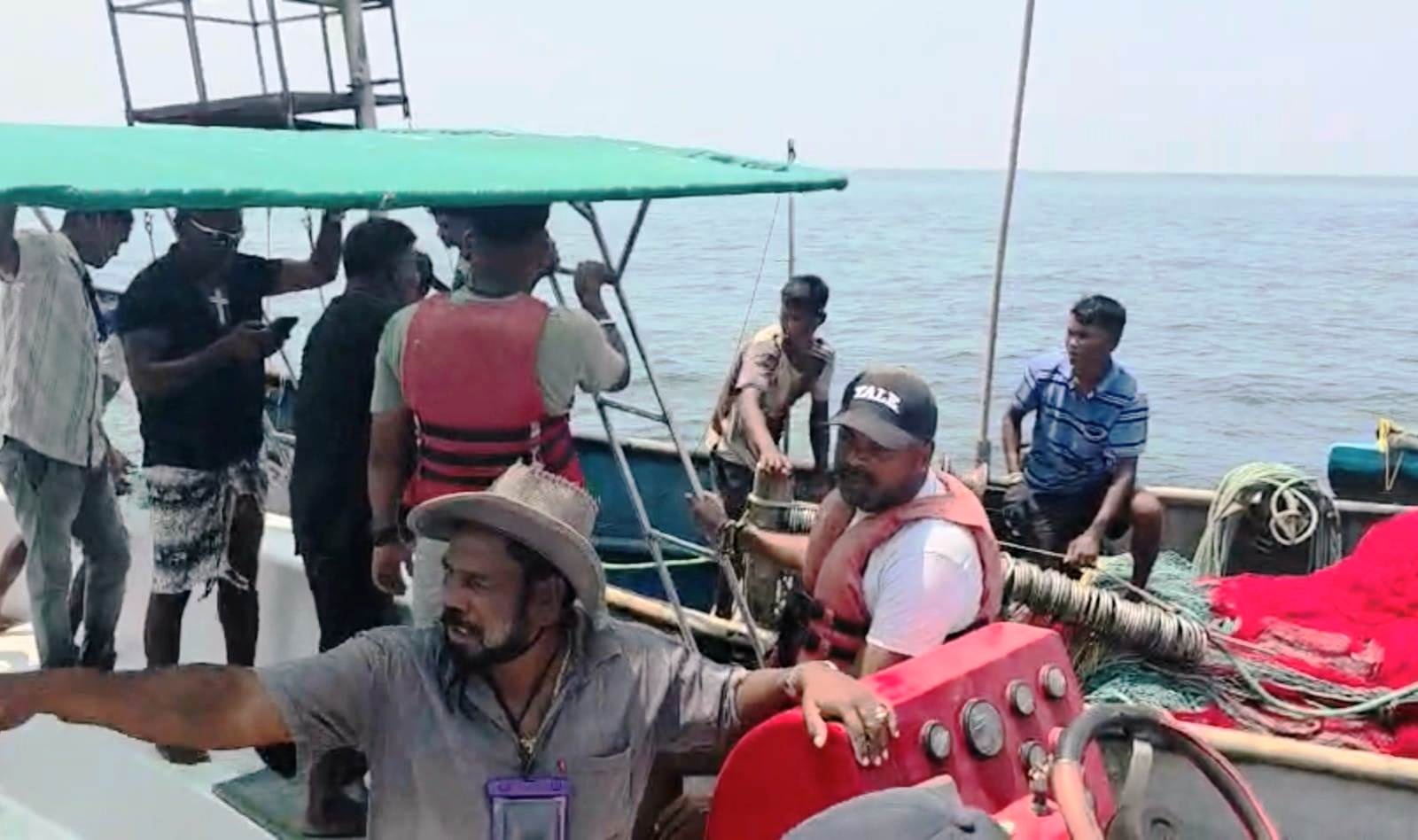
Local fishermen accompanied by fisheries officials and police in hot pursuit of the intruding fishing vessels with the help of a speedboat provided by a traditional fisherman.
MARGAO
In a high-seas operation off the Colva-Benaulim coast on Wednesday morning, traditional fishermen, assisted by officials from the fisheries department and police, launched a pursuit of intruding fishing vessels from outside the State, resulting in the detention of six boats and their crew.
Authorities also seized a large quantity of fish—estimated to run into several tonnes—that had been netted by the vessels. However, several other boats managed to evade the dragnet, with fishermen attributing the escape to inadequate logistical support during the operation. Local fishermen further alleged that one of the detained vessels did not bear any registration.
The incident unfolded in the early hours of Wednesday when a fleet of red-coloured fishing vessels, reportedly from Maharashtra and Karnataka, was spotted operating just a few metres off the coastline. Traditional fishermen, including Pele Fernandes and Domingo Rodrigues, alerted the Fisheries Minister and department officials, prompting the deployment of three fisheries personnel and four police officers to assist in the interception.
By late morning, six vessels had been detained and were subsequently escorted to Panaji for further investigation.
The presence of out-of-State fishing vessels so close to shore has sparked outrage among the traditional fishing community, which depends heavily on near-shore resources for its livelihood. Fishermen alleged that the intruding boats had already harvested significant quantities of sardines and other fish varieties from Goan waters.
“Unlike mechanised trawlers, traditional fishermen operate close to the coast. These vessels have not only depleted fish stocks but have also affected our livelihoods,” said Pele Fernandes. He urged the government to enforce strict penalties, recalling Chief Minister Pramod Sawant’s announcement of a Rs 10 lakh fine on vessels found fishing illegally in Goa’s territorial waters.
Domingo Rodrigues estimated that between 200 to 300 such vessels may have been operating along the coast before detection. “They have taken away tonnes of sardines, which are crucial for our survival during this season. How are we expected to sustain ourselves if such practices continue?” he questioned.
Echoing similar concerns, Velsao fisherman Aliston Pinto questioned the audacity of the vessel operators. “Despite the risk of a hefty Rs 10 lakh penalty, these boats were brazenly fishing within Goan waters,” he said.
The incident has intensified calls from the fishing community for stronger enforcement, improved surveillance, and better-equipped response mechanisms to safeguard the State’s marine resources.
---
Violations near shore lay bare monitoring failures
MARGAO: Fishing vessels from outside Goa caught operating alarmingly close to the State’s coastline have once again exposed serious gaps in the government’s ability to monitor and curb violations, raising concerns over long-standing logistical and enforcement shortcomings.
The issue came to light early Wednesday morning, when Colva fisherman Domingo Rodrigues spotted a fleet of red-coloured vessels fishing dangerously close to the Colva–Benaulim stretch. Rodrigues, who had ventured out at around 6 am in his country-made motorised canoe, documented the activity on video and promptly shared the footage with a senior fisheries official.
Around the same time, Benaulim-based traditional fisherman Pele Fernandes issued an SOS to Fisheries Minister Nilkanth Halarnkar, alerting him to the alleged intrusion of vessels registered in Maharashtra and Karnataka into Goa’s territorial waters.
Following the alerts, the government assured action and deputed three fisheries officials along with four police personnel to intercept the vessels. However, the response exposed glaring logistical deficiencies. With no official speedboats available, Rodrigues himself arranged two private speedboats to ferry officials, police personnel, and local fishermen to the site, highlighting the government’s lack of basic resources to enforce maritime regulations.
The situation further underscored concerns over manpower adequacy. Despite multiple vessels reportedly operating just metres from the shore, only a small team of officials was deployed. Sources indicated that when it came to escorting the detained vessels to Panaji, the security and safety of the police personnel came to the fore in the absence of adequate police force.
Local fishermen have described the incident as a wake-up call for authorities. They have urged the government to strengthen its coastal surveillance infrastructure, including the provision of dedicated speedboats and better-equipped enforcement teams.
Criticism has also been directed at the fisheries department for the absence of a robust, proactive monitoring mechanism. Fishermen argued that without their timely intervention, the unauthorised vessels could have continued exploiting marine resources unchecked.
“Just imagine if we had not alerted the authorities—the extent of damage that could have been done,” a fisherman remarked, expressing frustration over what he described as systemic inaction.
The incident has reignited debate over coastal security and resource protection, with stakeholders calling for urgent reforms to prevent further violations in Goa’s waters.
---
Traditional livelihoods under strain as illegal LED fishing flourishes
MARGAO: Traditional fishermen have raised strong objections over the increasing presence of large mechanised vessels operating close to the shoreline, alleging widespread violations of fishing norms, including the use of illegal LED lighting during night operations.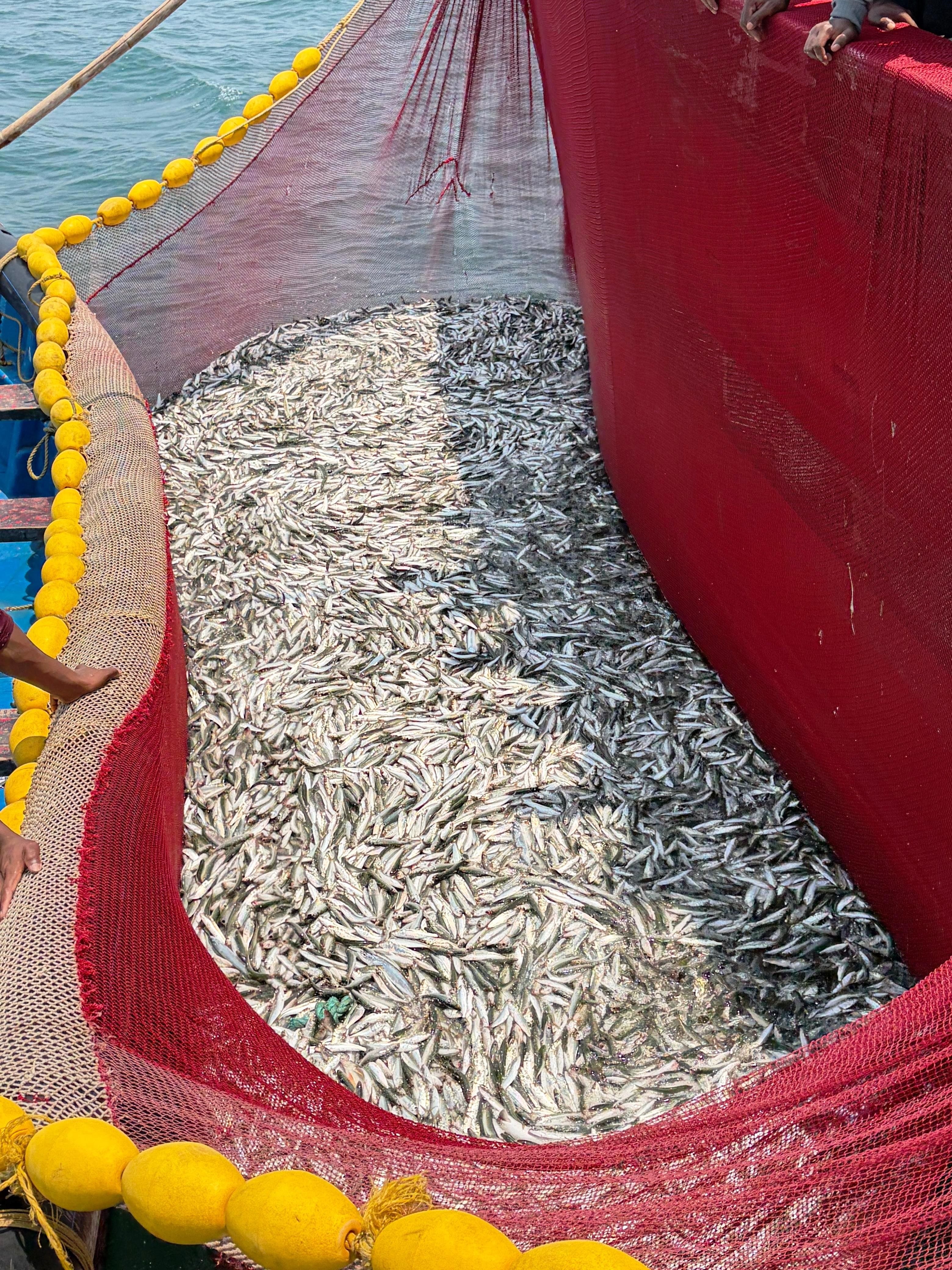 Colva-based traditional fisherman Domingo Rodrigues said the practice of LED fishing has severely impacted their livelihoods in recent months. “Fishing with LED lights at night has devastated traditional fishermen. Now, these vessels are coming as close as 500 metres from the shore. How are we expected to survive in such a situation?” he questioned.
Echoing similar concerns, fellow fisherman Pele Fernandes alleged that the use of LED lights by large vessels is leading to the rapid depletion of marine resources. “These boats are destroying fish stocks through illegal practices. The future of traditional fishermen is at stake,” he said, urging immediate government intervention.
The fishermen have called on authorities to step up enforcement against illegal fishing practices and ensure stricter monitoring of coastal waters to safeguard the livelihoods of traditional fishing communities.