


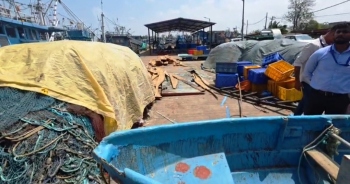
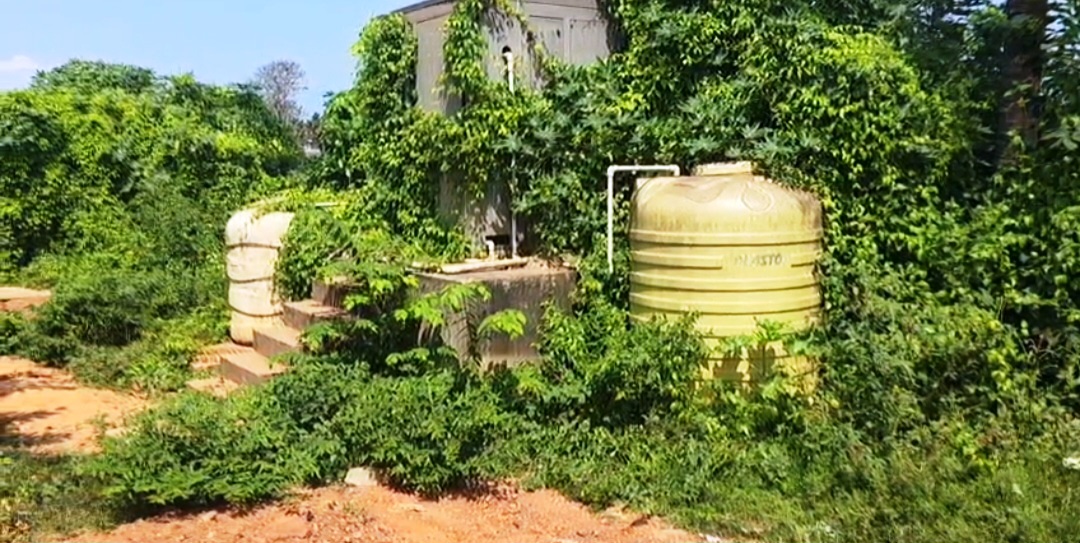
 Fishing nets and dinghies have returned back at the Cutbona fishing jetty. (Right) The situation around the sanitation facility at the jetty. Captured by : Santosh Mirajkar
MARGAO
With just days left before the annual fishing ban comes into force on June 1, renewed concerns are emerging over sanitation and hygiene conditions at the Cutbona fishing jetty”Goa’s largest fishing hub”which had previously been linked to outbreaks of cholera and diarrhoeal diseases during the last two fishing seasons.
A joint inspection carried out on Tuesday has revealed that, despite the government’s post-2024 efforts to upgrade sanitation infrastructure at the jetty following reported cholera-related deaths, gaps in maintenance and oversight continue to pose potential public health risks. Officials had earlier introduced several measures aimed at improving hygiene standards, including the long-pending installation of a 50-toilet sanitation complex.
The facility, constructed with the involvement of Sulabh International, also includes bathrooms and was made freely accessible to migrant workers employed as crew on fishing vessels. The move was intended to address longstanding complaints from local residents about open defecation in nearby fields.
However, the inspection found that parts of the facility are already showing signs of neglect. Washrooms in one section of the complex were found to be without running water, forcing users to fetch water from another block before using the toilets. The surrounding premises were overgrown with vegetation, indicating a lack of regular upkeep.
Further, the staff member assigned to manage the sanitation facility was found not adhering to basic standards, including the absence of a proper uniform, raising additional concerns about supervision and accountability.
The findings suggest that while infrastructure development has been initiated, sustained monitoring and maintenance remain critical. Without consistent oversight, there is a risk that the jetty could once again become vulnerable to sanitation-related health hazards, including vector-borne diseases and waterborne infections such as cholera.
As the fishing season draws to a close and activity at the jetty remains high, authorities may need to step up vigilance to ensure that the gains made after last year’s health crisis are not undermined by lapses in implementation on the ground.
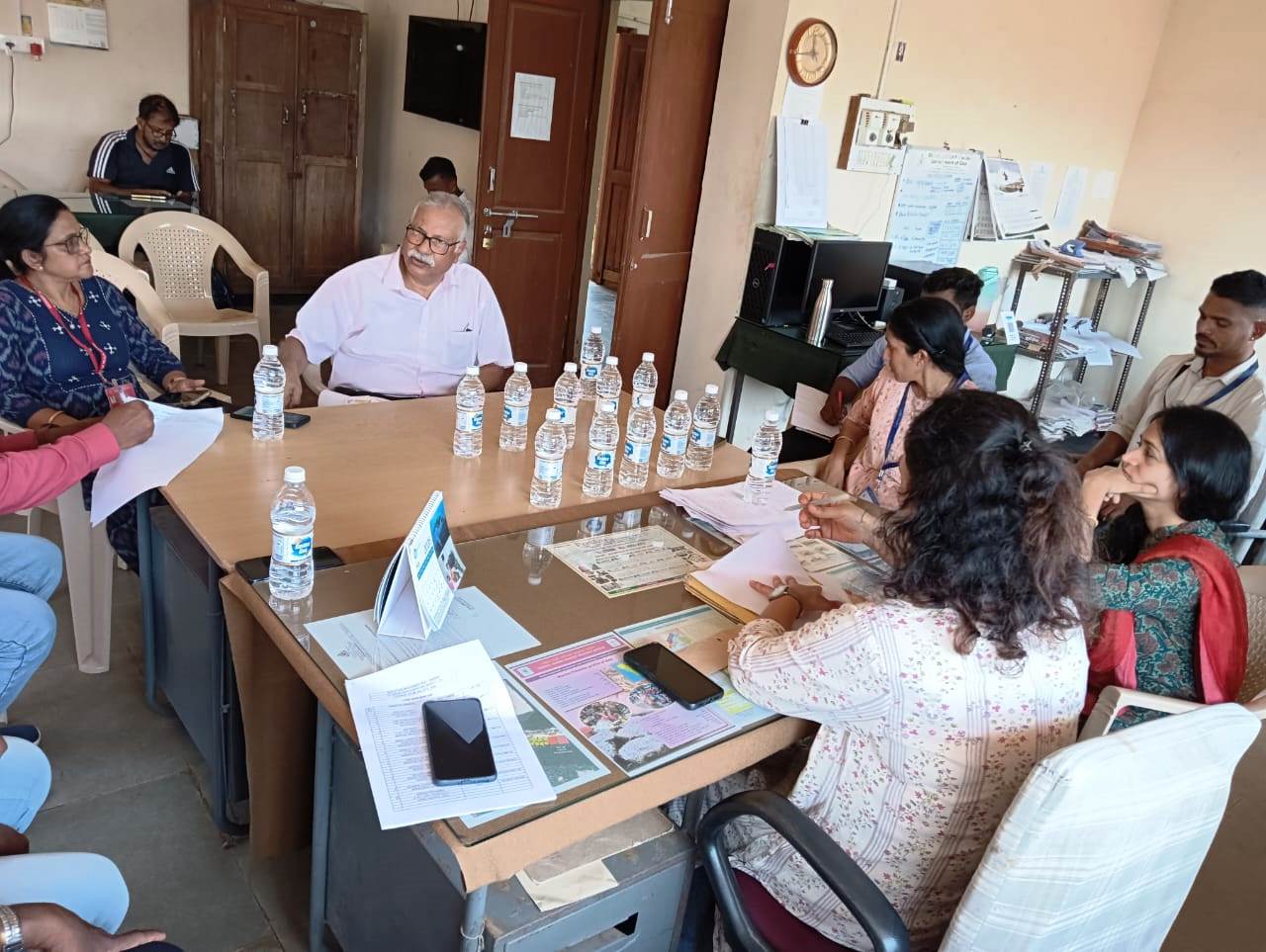
The inspection was conducted by Balli Primary Health officer Dr Benedita Dias, Fisheries officials, GOACAN convenor Roland Martins, Cuncolim police and boat operators.
Roland Martins told the media after the inspection that all is not well for want of supervision of the facilities. He said a recommendation has been made to the Balli PHC to start an Out Patient Department (OPD) at the jetty for the benefit of the migrant crew members.
Meanwhile, Velim MLA Cruz Silva said that he would hold an inspection of the Cutbona fishing jetty to find out the deficiencies and suggested corrective measures. “The government had put in place various measures after we pursued the issue with the Fisheries Department. We will take up the matter with the government if there are any deficiencies,” he added.
Fishing nets and dingy return on the new jetty stretch
Fresh concerns have also surfaced over the return of fishing net dumps and dinghies on the newly developed stretch of the Cutbona jetty”an issue that had earlier been addressed as part of post-cholera corrective measures.
One of the key achievements of the government-led clean-up drive spearheaded by former minister Aleixo Sequeira was the complete removal of fishing nets and small vessels from the jetty, restoring order and improving hygiene conditions. However, the latest inspection indicates that these gains may be slipping.
Even before Tuesday’s inspection, Fisheries Department officials had issued notices late last month directing boat owners to clear fishing nets and dinghies from the jetty premises or face penalties. Despite this, inspection teams found fresh dumps of fishing nets on the extended portion of the jetty, suggesting that enforcement has had little impact on the ground.
Adding to the concern, welding work”unrelated to jetty operations”was found underway inside the jetty shed, raising questions about unauthorised activities at the area.
While Fisheries officials maintained that notices had been served, they admitted compliance has been lacking. Social activist Roland Martins called for stricter enforcement, urging authorities to “crack the whip” on illegal storage practices. Boat owners, however, claimed that the nets had been temporarily placed on the jetty before being transported elsewhere.
Jetty upkeep and maintenance
The inspection also flagged broader issues related to upkeep and maintenance. The jetty showed clear signs of neglect, with no evidence of regular cleaning or washing. Observers noted that hygiene standards were not being maintained at the level required for a facility of such importance.
Martins further suggested that the Fisheries Department should take direct responsibility for the upkeep and maintenance of the jetty to ensure sustained cleanliness. During the inspection itself, ice meant for fishing operations was seen being offloaded directly onto the jetty surface before being carried into boats”highlighting lapses in handling practices.
“We will write to the Fisheries Secretary to ensure close monitoring of the jetty so that the facilities are used as intended, with proper upkeep and maintenance,” Martins said.
He said if the Fisheries Department cannot run the jetty, the government should take measures to hand over the jetty to the stakeholders for better upkeep and maintenance.
The findings reinforce concerns that without consistent enforcement and supervision, earlier corrective measures risk being undone, potentially compromising both sanitation standards and public health safeguards at the State’s busiest fishing hub.


