


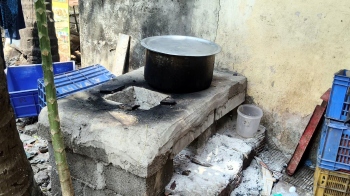
What begins as a distant geopolitical conflict has now landed squarely in the kitchens of Vasco, where a crippling shortage of LPG cylinders has pushed nearly 80 per cent of small eateries and roadside hotels to the verge of closure.
From smoky firewood chulhas to makeshift cooking arrangements, the town’s food economy is now running on survival mode.
Kitchens without gas
For most small eateries, a single 19-kg commercial cylinder is the backbone of daily operations. Today, many are struggling to procure even one.
“We need at least one commercial cylinder a day to function. Now we are begging for cylinders and still not getting them. How do we run a hotel like this?” said a local eatery owner.
The crisis has severely impacted bulk orders, daily menus and even basic food preparation. Many establishments have resorted to cooking at home and reheating food at outlets using induction stoves ” a temporary fix that owners admit compromises quality.
“This is not how food should be served. We are doing it out of helplessness. The taste, the freshness ” everything is affected,” another owner said.
Back to firewood
With LPG vanishing from regular supply chains, eateries have turned to firewood ” dragging kitchens back decades. Temporary chulhas and bhattis have sprung up across Vasco, but even this alternative is proving unreliable.
“The price of firewood has skyrocketed. Everyone is taking advantage of the situation. First gas, now wood ” everything is becoming unaffordable,” said a frustrated hotelier.
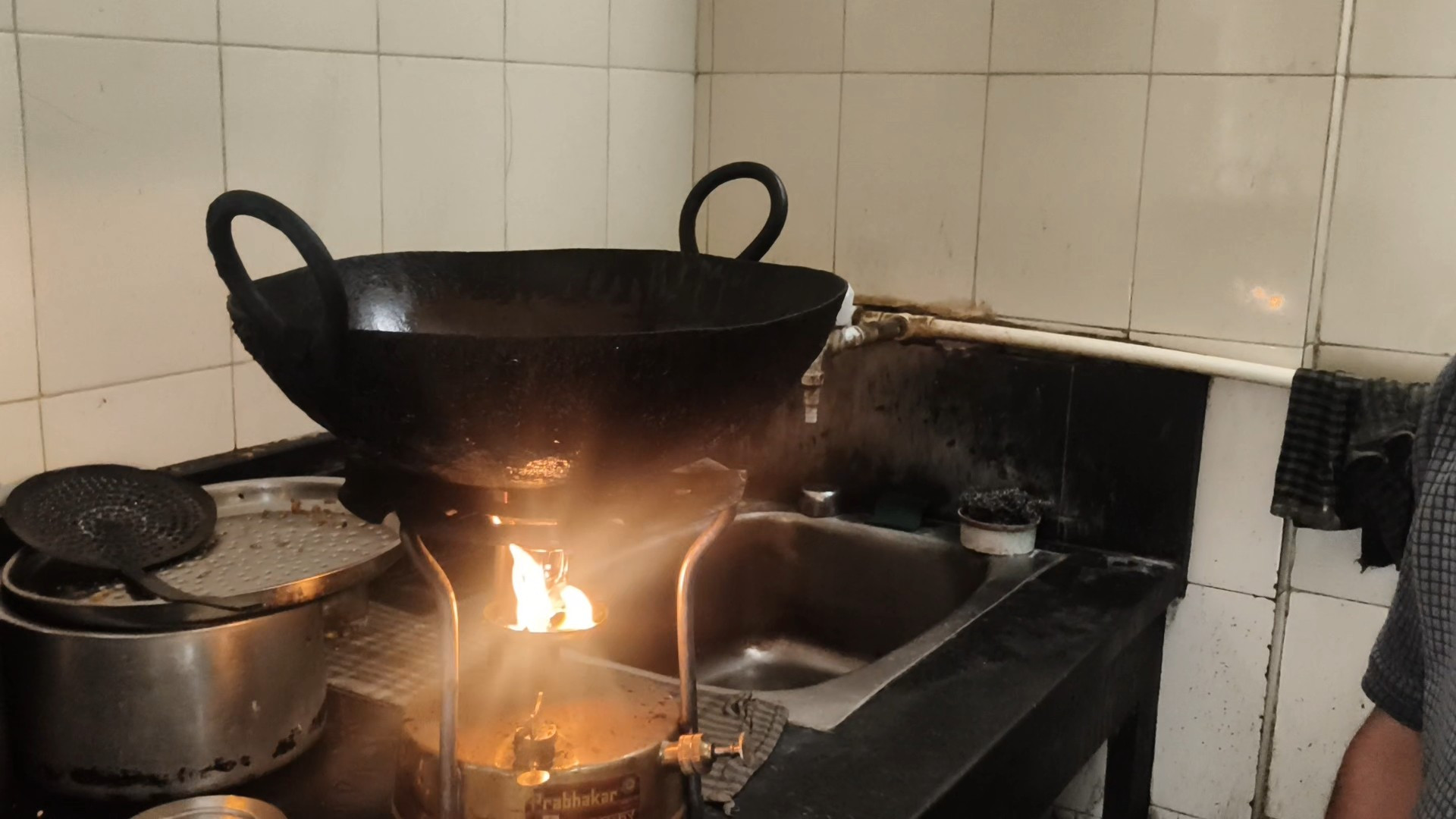
Apart from cost, the method itself poses challenges.
“Our cooks are not trained for this. Cooking on firewood is slow, risky and physically demanding. The smoke, the heat ” staff are already making excuses to leave,” an owner said.
There are also growing environmental concerns, with fears that the sudden surge in demand for firewood could lead to unchecked tree cutting
Alleged nexus fuels selective distribution
Amid the deepening crisis, small eatery owners have levelled serious allegations against gas agencies and the civil supplies department, claiming a nexus that is enabling selective distribution and fuelling a parallel black market.
Several operators allege that commercial cylinders are being diverted to influential establishments, including starred hotels and well-connected restaurants, while smaller outlets are left to struggle without supply.
“There is a clear system of ‘setting’ ” unless you have contacts, you won’t get a cylinder,” an owner said.
What has further angered operators is the alleged double pressure, where on one hand supply is restricted, and on the other, enforcement teams conduct raids demanding purchase bills, exposing smaller players to penalties.
Some owners also claim that larger establishments are using their influence and contacts within departments and gas agencies to sideline and eliminate competition by ensuring tighter scrutiny on smaller eateries and restricting cylinder supply to them.
“We are being squeezed from all sides ” no supply, rising costs and the constant fear of action. Meanwhile, those with reach continue business as usual,” another operator alleged.
Restaurant owners claim that starred hotels, popular chains and well-connected establishments continue to receive uninterrupted supply, while smaller players are left scrambling.
“We have seen big hotels functioning normally. They get cylinders on time. We are the ones suffering because we don’t have influence,” another owner said.
There are also claims that certain political figures and local representatives are selectively intervening to ensure supply to preferred establishments.
“Councillors and others are calling gas agencies to help certain hotels. What about us? Are we not part of this economy?” a hotelier questioned.
Black market thrives
Desperation has driven many to the black market, where commercial cylinders are reportedly being sold for as high as Rs 4,000.
“We are buying cylinders for Rs 4,000 just to survive. Even then, supply is not enough,” said an owner.
Ironically, while this parallel market thrives, enforcement actions continue.
“Authorities conduct raids and ask for bills. How do we show bills when we are forced to buy in black? We are trapped from both sides,” another owner said.
Some even allege that influential competitors misuse their contacts to target smaller eateries.
“There is pressure being created through departments to harass smaller hotels. If we raise our voice, we fear we will be targeted further,” a restaurant owner said.
Staff, survival and silent fear
Beyond supply issues, the crisis has triggered a deeper fear ” losing trained staff.
“We paid our staff even during Covid to retain them. Our cooks are our backbone. If we shut now, they will leave and never return. Then what is left to rebuild?” an owner said.
With mounting loans, fixed overheads, electricity bills and salaries, many establishments are staring at financial collapse.
Call for urgent intervention
With frustration mounting, restaurant owners across Mormugao are now planning to form groups on social media platforms to collectively raise their voice.
They have sought immediate intervention from local MLAs and authorities to ensure fair distribution of commercial cylinders and curb alleged malpractice.
“This is not just a business issue. This is survival. If nothing is done immediately, many of us will have no option but to shut down,” an owner warned.
As the crisis deepens, Vasco’s kitchens continue to burn ” not with gas, but with uncertainty.


