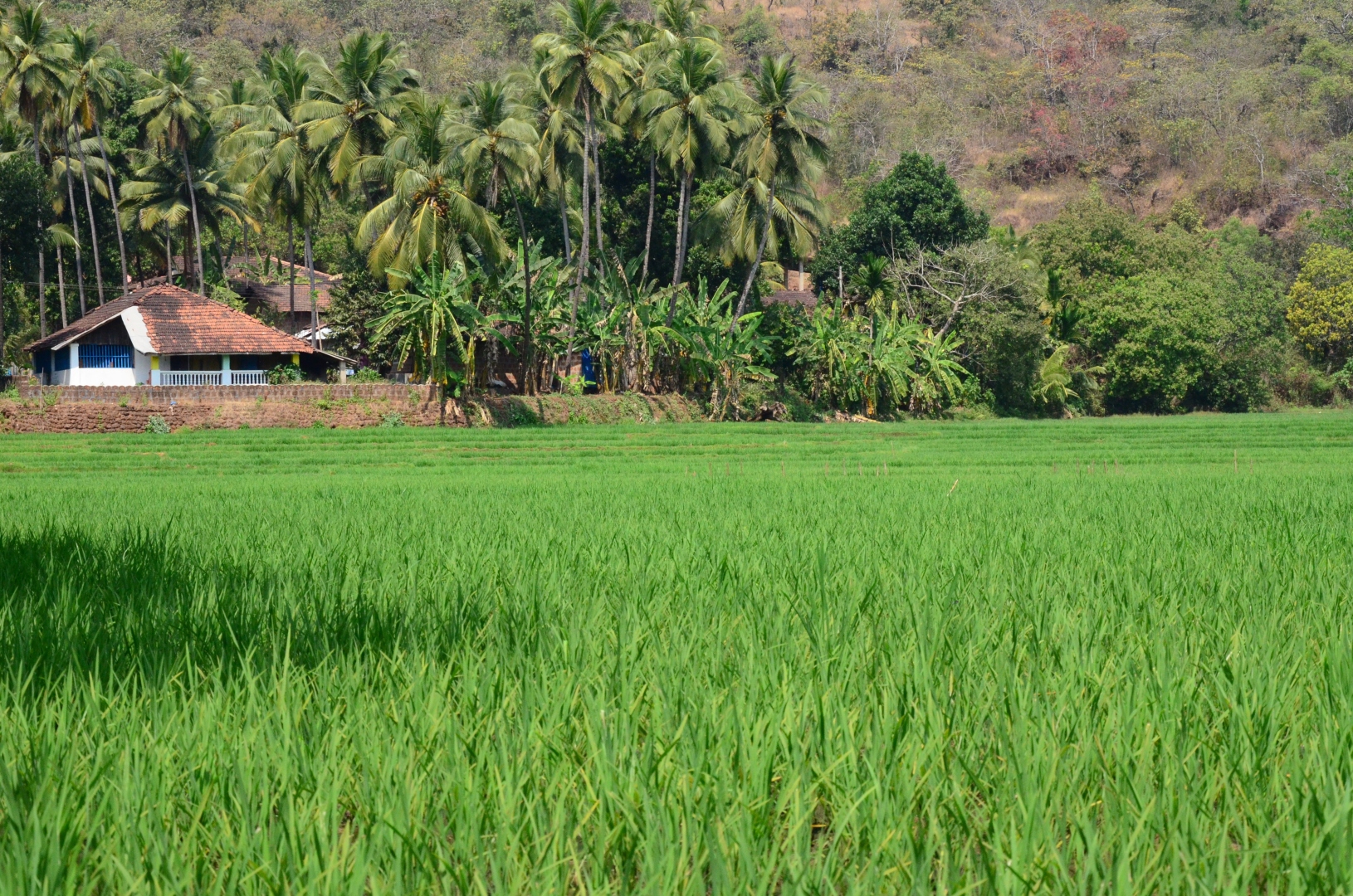
In Goa, farmers continued to grapple with weather volatility and market pressures in 2025.
PANAJI
Goa’s agriculture sector in 2025 was defined by sweeping policy reforms, albeit on paper, ambitious targets, and persistent climate challenges.
The launch of the Goa State Amrit Kaal Agricultural Policy 2025 in February marked the government’s most comprehensive attempt yet to rejuvenate farming in the State through policy initiatives.
The new policy, coupled with the New Goa Farmers Welfare Act, aims to bring 75% of Goa’s population back to farming. Officials had claimed that over 3,751 stakeholder suggestions were incorporated into the framework, which emphasises climate-resilient practices, organic farming, and agro-tourism.
Key provisions include subsidies for mechanisation and precision farming, incentives for youth and women farmers, promotion of contract farming and horticulture diversification, and revival of Goa’s traditional coastal agricultural ecosystems — Khazan lands.
Climate challenges
Despite policy initiatives, erratic rainfall patterns disrupted the State’s main paddy crop in the kharif season.
The monsoon deficit in central Goa was estimated at 12% below average, leading to reduced yields in Bardez and Salcete. Farmers also reported increased salinity intrusion in Khazan lands, a problem worsened by rising sea levels.
Worse, unseasonal rains during the harvesting period in October-November further impacted yields and forced farmers to bear losses.
Human–wildlife conflict remained a pressing issue, with wild boars and monkeys damaging crops across North Goa, even as agriculture officials acknowledged that compensation schemes were slow to reach affected farmers.
Organic and sustainable farming
On a brighter note, organic farming acreage expanded by nearly 18% in 2025, according to State data.
Farmer cooperatives in Pernem and Bicholim reported higher demand for chemical-free vegetables, supported by certification drives.
Cashew and coconut processing units also saw growth, with exports of cashew kernels rising 7% year-on-year.
Market and credit access
The government expanded the Krishi Card scheme, enabling easier access to loans and subsidies. By December, over 22,000 farmers had registered, a 15% increase from 2024.
However, fluctuating commodity prices continued to hurt profitability. Vegetable growers supplying Panaji and Margao markets complained of inadequate cold storage facilities, leading to post-harvest losses estimated at 10-12%.
Youth and women in agriculture
The year also witnessed a surge in agri-start-ups. Young entrepreneurs experimented with hydroponics, mushroom cultivation, and agri-tourism ventures. Women’s self-help groups in South Goa piloted integrated farming models combining dairy, poultry, and horticulture, showcasing diversified income streams.
Officials said over 1,200 women farmers have received direct support under new schemes, reflecting the policy’s emphasis on inclusivity.
Road ahead
As Goa steps into 2026, the agriculture sector remains a story of policy ambition versus ground realities.
While the Amrit Kaal policy promises transformation, farmers continue to grapple with climate unpredictability, market volatility, and infrastructural gaps. As a senior agriculture official summed it up: “The goal is to make farming viable again, but success will depend on how quickly policy can be translated into practice.”