ARZ director cautions against legalising nightclubs
MAPUSA
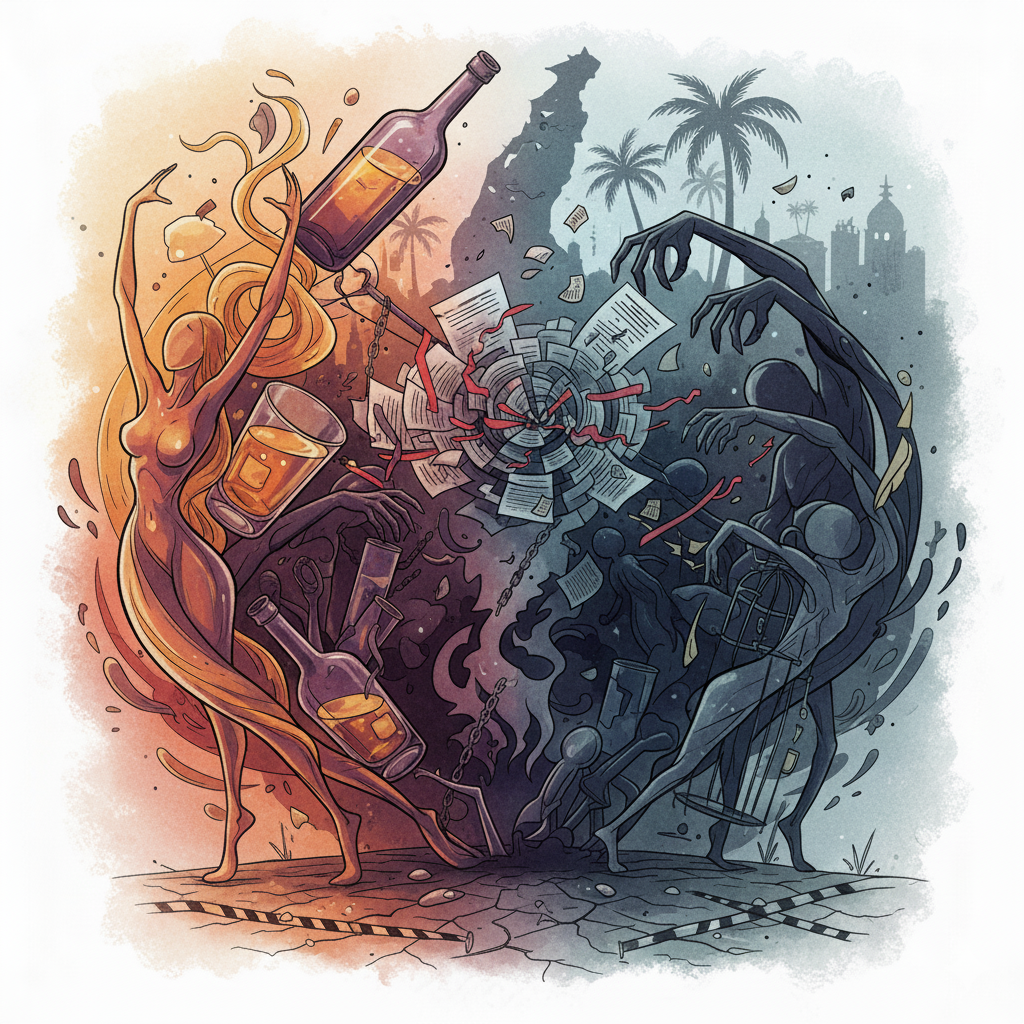
Amid renewed demands for a formal “nightclub policy” in Goa, anti-human trafficking activist and ARZ director Arun Pandey has cautioned that legalising dancing in bars under the garb of nightclubs could have disastrous consequences for the State, particularly by escalating crimes against women and worsening exploitation.
Pandey, whose organisation works closely with victims of trafficking and sexual exploitation, said that those advocating a nightclub policy lack a clear understanding of the social and criminal fallout of combining alcohol and hired dancing.
“There is nothing like a nightclub in law. There is no legal definition,” Pandey said, clarifying that what is being projected as nightlife is, in effect, an attempt to legitimise dancing in bars where alcohol is served.
“Where dance and alcohol come together, it becomes a deadly combination for crime. Women are abused and exploited,” he said.
Drawing parallels with neighbouring Maharashtra, Pandey urged policymakers to study the State’s experience with dance bars, which were banned after widespread concerns over trafficking, crime and social degradation, and later allowed by the Supreme Court only under stringent conditions.
“Why did Maharashtra have to ban dance bars in the first place? What did they really bring – revenue, quality tourism, or crime, drugs and broken families?” the ARZ Director asked while speaking to The Goan at the first anniversary of WISH, an economic rehabilitation unit for victims of sex trafficking set up in Mapusa.
Pandey argued that extending the operating hours of bars and restaurants would be sufficient to support nightlife in a tourism-driven economy like Goa.
“If you extend timings, it effectively becomes nightlife. Why do you want special permission for dancing? Because you want permission to hire girls to dance,” he asked.
He warned that once such activities are legalised, regulation becomes nearly impossible.
“Once a licence is issued, enforcement agencies are helpless. Authorities say, ‘They have a licence, what can we do?’ Without a licence, at least action is possible,” he said.
Highlighting Goa’s existing enforcement failures, Pandey pointed out that several establishments already function without mandatory fire, construction and safety licences.
“In a State where illegal operations thrive unchecked, you want to bring a law to regulate dancing? Who will decide which dance, which music, which costume is acceptable?” he questioned.
Pandey also cited the example of massage parlours, which are legal but frequently used as fronts for illegal activities.
“Cross-massage is illegal, but proving it is extremely difficult. Victims come forward, but owners hire expensive lawyers and cases collapse,” he said.
While acknowledging that nightlife is a necessity in a tourism-driven State, Pandey stressed that the issue is not nightlife but legislation that opens doors to exploitation.
“Once you legalise it, everyone will apply for licences and the situation will spiral out of control,” he said.
He warned that pushing such a policy without learning from Maharashtra’s experience would only deepen crime, drug abuse and trafficking in Goa, turning a tourism hub into a law enforcement nightmare.