PANAJI: Health officials have called for strict removal of water stagnation at household and community levels, warning that even small collections of water can trigger mosquito breeding ahead of the monsoon.
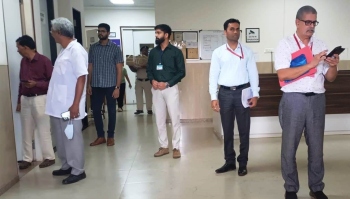
The appeal was made during an advocacy workshop on dengue prevention and control organised by the Urban Health Centre (UHC), Panaji, today, on National Dengue Day. The session brought together housing society members, contractors, and nodal officers to strengthen awareness on source reduction and community participation.
Officials said dengue control depends largely on eliminating stagnant water in and around homes rather than only focusing on large water bodies.
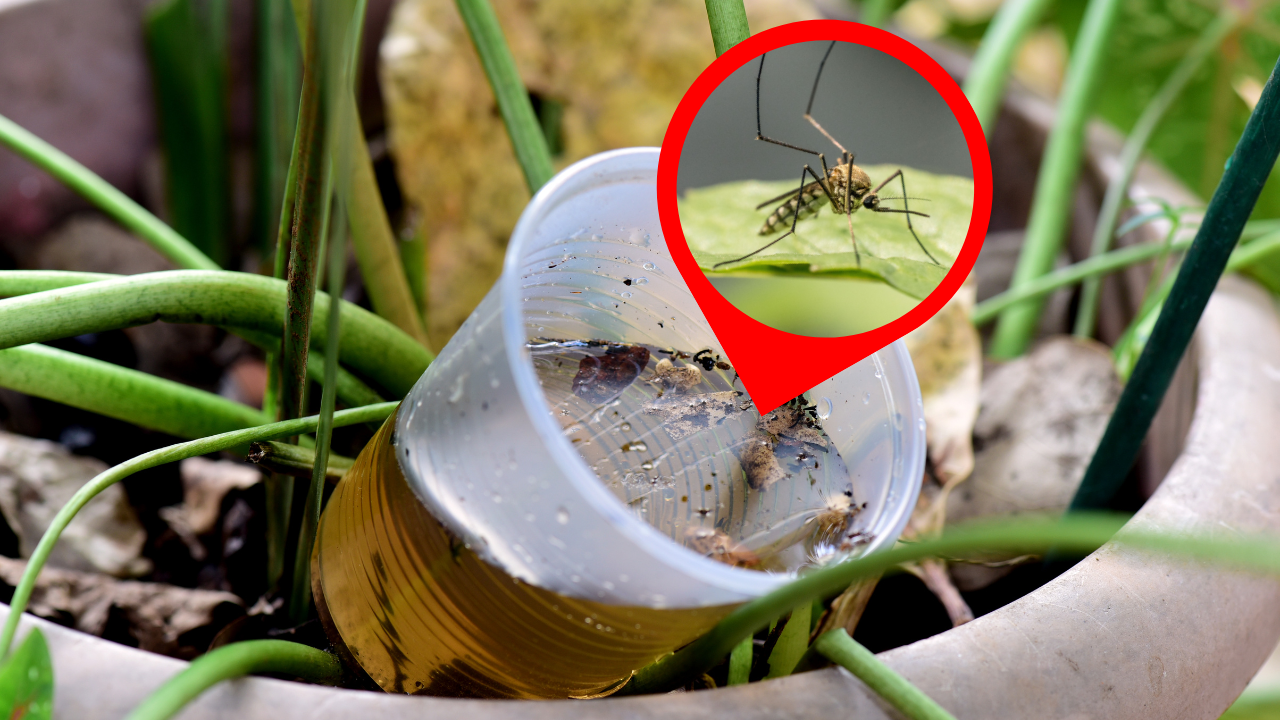
“People often think dirty or stagnant water alone causes dengue, but mosquitoes that spread malaria and dengue can breed even in small amounts of stagnant water,” said UHC Panaji Health Officer Dr Vidya Parab.
She explained that mosquito breeding commonly occurs in flower pot trays, discarded tyres, coconut shells, storage drums, and any uncovered container holding water.
“Only the female mosquito bites humans because it requires blood to complete its reproductive cycle,” she said, adding that dengue and chikungunya are transmitted by day-biting mosquitoes active mainly around early morning and late afternoon.
Dr Parab said there is no specific cure for chikungunya, and treatment is largely symptomatic.
“The important thing is that since there is no specific cure, the focus must be on prevention and community participation,” she said.
She added that the Urban Health Centre conducts pre-monsoon preparedness drives nearly a month in advance, covering housing societies, offices, and public areas through inspections and awareness campaigns.
“Even after advisories are issued, dengue cases still rise because mosquito breeding continues in flower pots, coconut shells, and similar places,” she said.
Sanitary field teams flagged challenges in ensuring compliance at the ground level.
Sanitary Inspector Kishor Arondekar said that inspection teams often face resistance when entering certain housing societies for routine checks and awareness drives.
He stressed the need for collective responsibility at the community level.
“Every society should conduct a dry day every 15 days and inspect all flower pots and possible breeding spots,” he said.
He also pointed out that construction sites and government offices continue to report breeding sources such as buckets in washrooms, stored water, and unattended containers, despite repeated notices and inspections.
Extension Health Educator Arpita Korgaonkar highlighted that mosquito breeding is not limited to outdoor areas.
“Many are still unaware about indoor breeding spots like money plants kept inside homes and offices with water collected in plates underneath,” she said.
She added that delayed diagnosis remains a concern, as many patients self-medicate for two to four days before consulting a doctor.
“The mosquito can bite 10 to 15 people at a time, increasing the chances of transmission,” she said, stressing the importance of early medical consultation and proper hydration.
GoaCAN Co-ordinator Roland Martins said mosquito control cannot succeed without sustained community participation, especially in densely populated areas.
“Mosquito control becomes difficult without active community participation,” he said, urging housing societies, panchayats, and biodiversity committees to include vector control discussions in regular meetings and Gram Sabha discussions.
He also emphasised the role of natural predators such as frogs and fish in controlling mosquito populations.
Officials further warned that hidden breeding sources, such as tyres placed on tarpaulins or stored in open areas, can become major hotspots if water accumulates and is left unattended.