PANAJI
As temperatures climb and humidity intensifies across Goa, the impact is felt not just by people but also by animals”both domestic pets and strays. The coastal climate, already known for its moisture-laden air, becomes particularly taxing during peak summer months. Animals are far more vulnerable to heat stress, dehydration, and infections, making it essential for pet owners and communities to adopt mindful practices that prioritise their well-being.
Risks of heat and humidity
Unlike humans, animals have limited ways to regulate body temperature. Dogs, for instance, primarily cool themselves through panting, while cats rely on grooming and minimal sweating through their paw pads. In high humidity, these natural cooling mechanisms become less effective, increasing the risk of heatstroke. Symptoms such as excessive panting, drooling, lethargy, vomiting, or disorientation should never be ignored. Stray animals face an even harsher reality. With limited access to shade or clean drinking water, they are often exposed to prolonged heat, which can lead to severe dehydration or collapse. The combination of heat and damp conditions also creates an environment conducive to bacterial and fungal growth, increasing the likelihood of skin infections and parasitic infestations.
Access to water and shade
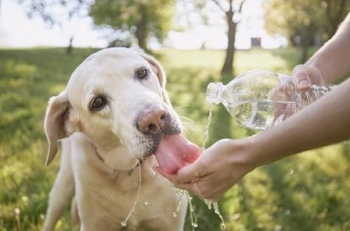
Hydration is the most critical factor in preventing heat-related illnesses. Pets should always have access to fresh, clean water, replenished multiple times a day. Bowls should be placed in shaded areas to keep the water cool. For community animals, placing water containers outside homes, shops, or in public spaces can make a significant difference. Equally important is providing adequate shade. Pets that spend time outdoors must have access to covered spaces that protect them from direct sunlight. Makeshift shelters using cloth, cardboard, or wooden structures can offer relief to stray animals. In urban and semi-urban areas of Goa, even small shaded corners or under parked vehicles often become resting spots for strays, and these should not be disturbed unnecessarily.
Feeding and exercise routines
Feeding schedules should be adapted to cooler parts of the day, such as early morning or late evening. During intense heat, animals may show reduced appetite, which is normal. However, food should always be fresh and not left out for long periods, as it spoils quickly in humid conditions and can lead to gastrointestinal issues. Exercise routines, particularly for dogs, must also be modified. Walks should be limited to early mornings or after sunset to avoid hot surfaces that can burn paw pads. Asphalt roads and pavements in Goa can retain heat well into the evening, so it is advisable to check surfaces before stepping out. Shorter, more frequent walks are preferable to long outings during summer.
Maintaining hygiene
Humidity accelerates the growth of fungi, ticks, and fleas. Regular grooming becomes essential to keep pets clean and free from infections. Long-haired breeds may require trimming to reduce discomfort, though complete shaving is not always recommended as fur also offers protection against sunburn. Bathing pets with mild, vet-approved shampoos helps maintain skin health, but over-bathing should be avoided as it can strip natural oils. Drying is equally important; damp fur can lead to fungal infections, particularly in areas like the ears, paws, and underbelly. For stray animals, while direct grooming may not always be feasible, community efforts such as periodic tick treatments or coordination with local animal welfare groups can help control infestations.
Safe indoor environments
For pets kept indoors, ventilation plays a key role. Rooms should be well-ventilated, with fans or air conditioning used where possible. Cooling mats, damp towels, or tiled flooring can provide additional comfort. It is crucial never to leave pets inside parked vehicles, even for short durations, as temperatures inside can rise rapidly and become fatal. nOwners should also be mindful of power outages, which are not uncommon during summer storms in coastal regions. Having backup cooling arrangements or relocating pets to cooler areas of the house can prevent distress.
Season for greater vigilance
The rising heat and humidity in Goa demand a heightened level of awareness and care for animals. While pets depend entirely on their owners, stray animals rely on the compassion of the community. Small, consistent efforts”ensuring water, shade, hygiene, and timely intervention”can significantly reduce the risks posed by the season.