PANAJI
Panaji’s Patto Plaza’s mangrove-lined pedestrian spine turned into a civic society gala over January 24 and 25 as large numbers of residents of the state capital and visitors gathered for the third edition of Festa do Povo, the community-led ‘Festival of the People’ that celebrates the region’s culture, heritage and everyday life.
 Spread across multiple pockets of the plaza, the two-day festival unfolded as an open, participatory celebration shaped by the people of the city themselves. Conceived around the idea of being of the people, by the people and for the people, Festa do Povo foregrounded the textures of Panaji’s neighbourhoods, its cultural practices and the quiet social bonds that define the nearly two-hundred-year-old city.
Spread across different parts of the plaza, the two-day festival unfolded as an open, participatory celebration shaped by the city’s residents. Rooted in the idea of being of the people, by the people and for the people, Festa do Povo highlighted Panaji’s neighbourhoods, cultural practices and the everyday social bonds that define the nearly two-hundred-year-old city.
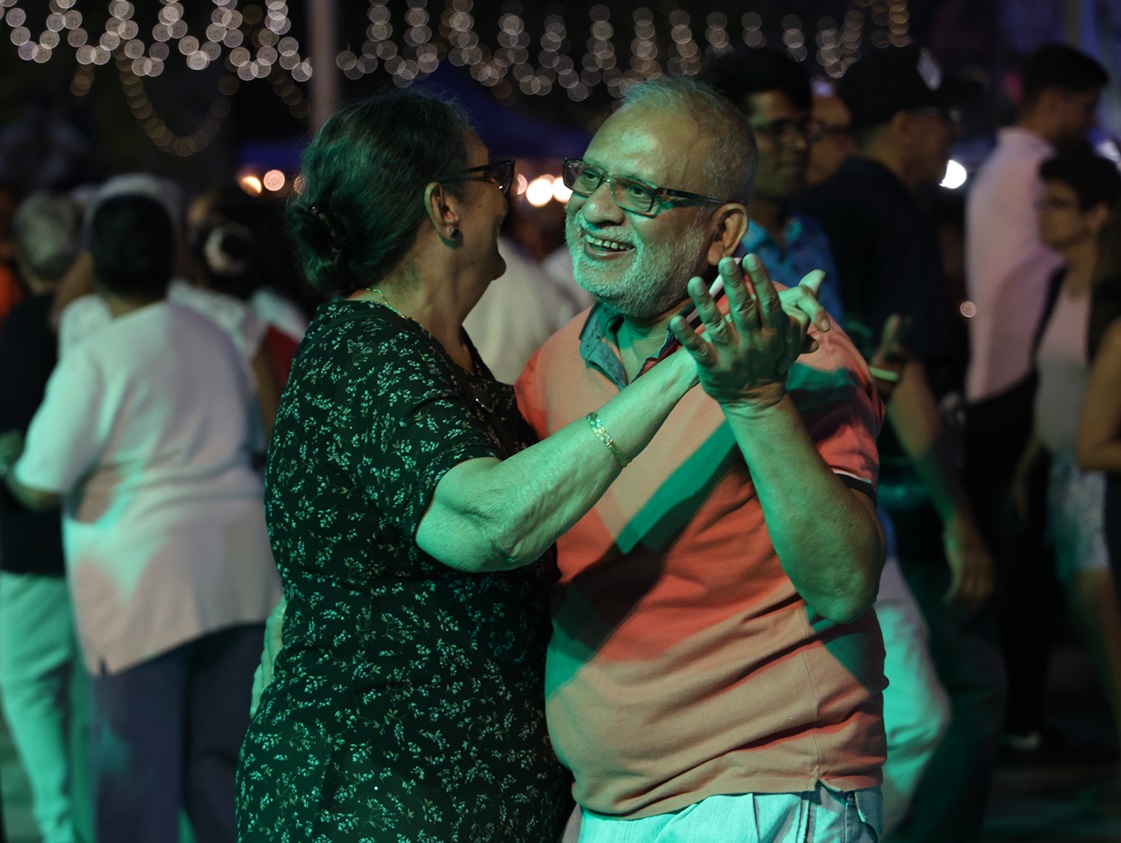
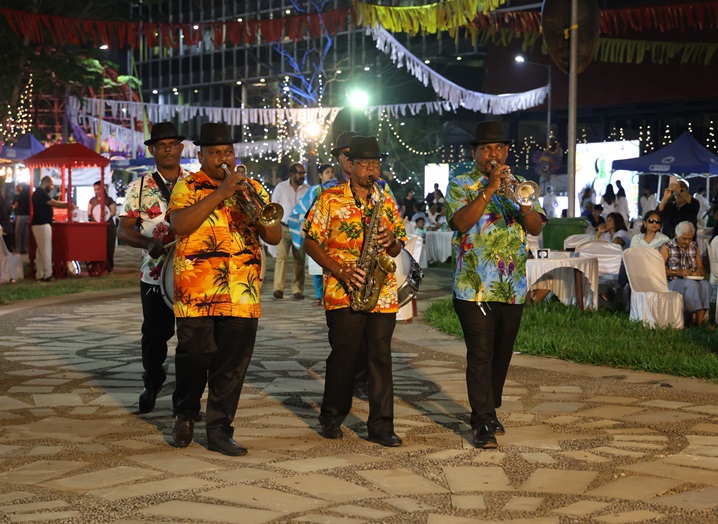
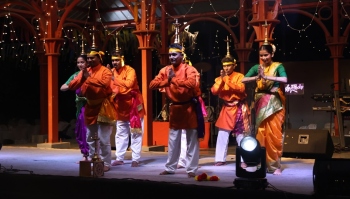
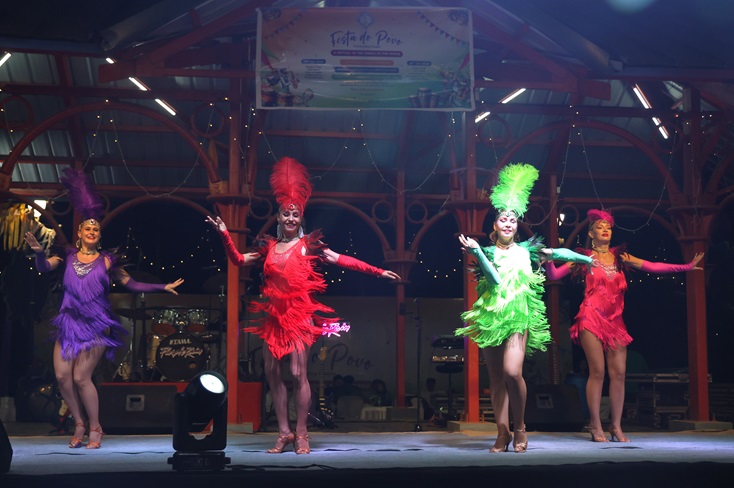
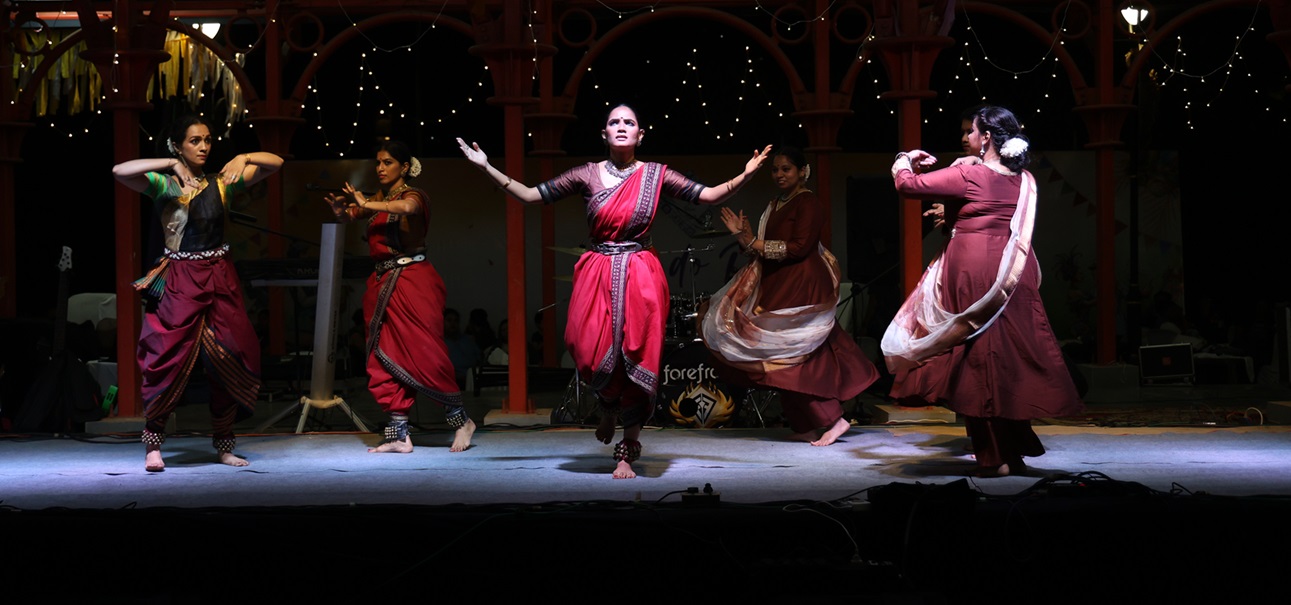
Cultural performances formed the backbone of the programme, creating a steady flow of music and movement across the venue. Temple drum presentations associated with Shigmo, lamp dance, Bharatnatyam, brass band and jazz performances, live bands, dancers and a children’s choir ensured a continuous presence of sound and rhythm through both days. Educational trails, informal gathering points and interactive spaces added layers to the experience, allowing visitors to move through the festival at their own pace.
The festival also saw visits from Panaji Mayor Rohit Monseratte and Tourism Minister Rohan Khaunte, who interacted with participants and community members at the venue.
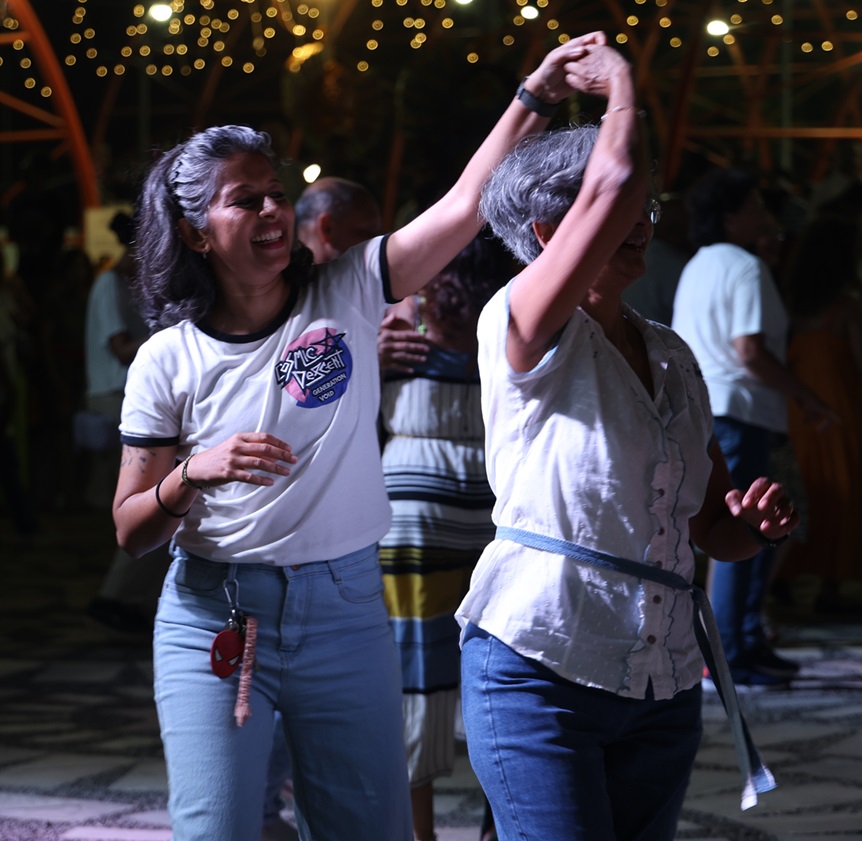
Children and families gravitated towards the art corner and dedicated children’s zone, while face-painting kiosks and a sketch artist working on-site added to the festival’s playful, participatory character. Informal storytelling sessions held at different corners of the plaza drew from Goa’s folklore, with the mangroves providing a stunning natural backdrop.
Food remained central to the Festa do Povo experience. Stalls run by home chefs and established city restaurants offered a wide range of Goan flavours, with local favourites such as choriÌs pav, prawns balchao and cutlet pav among the hot-selling dishes, reflecting the everyday culinary culture.