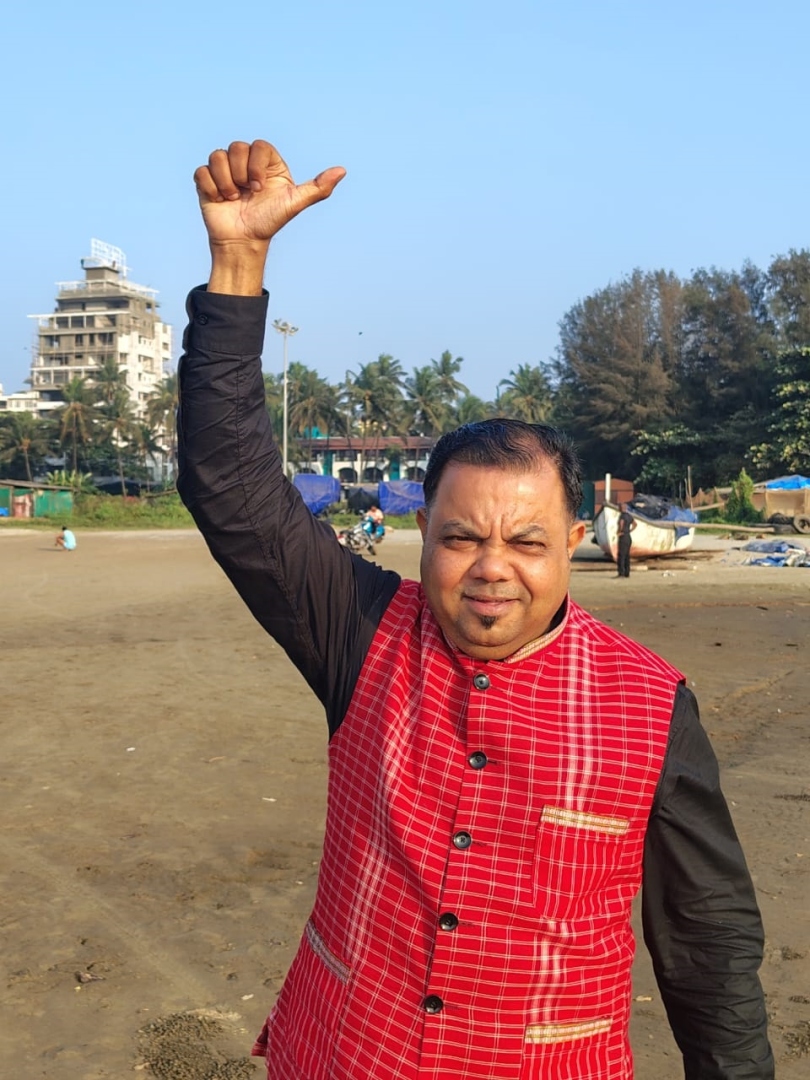
2026 King Momo, Cedric da Costa.
Goa is gearing up to celebrate the five-day mega festival of Carnival, beginning from February 13. The origins of Carnival in Goa dates to the 18th century during the Portuguese era, as a pre-Lenten festival, known as Entrudo, bringing together the Catholic traditions of feasting and revelry before the fasting season of lent. However, today, this motto has been forgotten, and many do not know the reason why Carnival is being celebrated, especially the youth consider this festival as a time to enjoy. The State of Goa also has embraced the spirit of the Carnival and all communities living here participate in the celebrations that extend to not only five cities, but to smaller villages like Curchorem, Pernem, Curtorim too, having their own events and programmes.
The King’s selection
This year’s King Momo, Cedric da Costa shares that he had to undergo auditions before the Goa Tourism department selected him out of six contestants. A reader, photographer and traveller, Cedric coordinated an award-winning commercial float in the 90s at Goa Carnival floats and in the Mc box at Margao Carnival Floats Committee. He was part of the King Momo floats in 2024.
“As King Momo my message to Goans is ‘Amchem Goem, Amcho Lok, Amcho Carnival. Viva Goa, Viva Carnival,’ said Cedric while speaking to The Goan. Calling Goa a State that always had talented artists, great singers and musicians, poets, composers and lyricists, Cedric expressed his wish that Goa should have its own new Carnival anthem. “Way back in 1965, it was Goan musician Timoteo Fernandes who revived the Carnival,” points out Cedric.
State anthem
“Goan musicians and composers must work to create a new Carnival anthem for the State, and more youth participation is expected in the festival,” urges Cedric, the founder of ‘My Green Ambition’ Goa in 2020 Cedric is involved in research of Goa's rice, mango, coconut, Olive Ridley Turtles, kitchen garden and composting techniques and works with birds and bees awareness.
Colonial roots
The festival of Carnival has colonial roots. The word ‘Carnival’ is derived from the Latin carne levare or carne vale, meaning ‘farewell to meat’ signifying the last days of indulgence before Lent. The Carnival is celebrated before Lent, a period of fasting and reflection for Christians. It marks a time to enjoy food, music, and festivities before Lent begins and has grown into a celebration of joy, freedom, and togetherness for both locals and visitors. The tradition of King Momo, who leads the parade and decrees ‘Eat, Drink, and Make Merry’, was incorporated later.
In the mid-20th century, the festival had nearly disappeared in the mid-20th century due to the strict Estado Novo regime in Portugal. It was revived in 1965 by Goan musician Timoteo Fernandes to boost tourism and has since evolved into an inclusive, colourful public festival with float parades, music, and dance. Timoteo led a carnival parade declaring himself as King Momo on Panaji streets on a bullock cart. The Goan tried to speak to this veteran; however, Timoteo said he is unwell and not in a state of conversing.
Kings of the past
As a person who had the luck to be King Momo twice, in 2016 and 2020, Shalom Sardinha recalls the times when the people in Goa and the tourists flocked at the Old Secretariat in Panaji after the procession and the show was over, to take a picture with the King Momo, for throwback memories as they returned to their countries. “I remember urging Goa and Goans to promote and protect Goa's indigenous assets and culture. The festival reminds us that though the King Momo’s message is ‘Eat, drink and merry,’ people should do everything in moderation, not just on festive occasions but throughout the year,” said Shalom while speaking to The Goan.
Stating that Carnival comes with a message of abstaining away from the meat for the duration of 40-days of the Lent season, Shalom added that all Portuguese and Spanish colonies celebrate the festival with pomp and show. Since Goa was once ruled by the Portuguese, the culture got rooted here and now it has become a State festival.
The former King Momo also pointed out the chaos that occurs in the cities, especially Panaji, where people have to struggle to park their vehicles. Celebrations should not hamper day-to-day life, he felt. The four days of Carnival began from the celebrations in Panaji on Saturday, followed by Margao on Sunday, Vasco on Monday and lastly in Mapusa on Tuesday. Of late, the celebrations have added an extended day, making it a five-day festival beginning on Friday at Porvorim.
Five days of merriment
The State of Goa will be in Carnival mood from Friday, as though the official Carnival is celebrated for four days, Saturday, Sunday, Monday and Tuesday, the Porvorim residents will kick-start the festivities from Friday itself, with a people’s procession along with King Momo walking alongside the public. “It will be a traditional beginning of the festival which will then be officially celebrated in Panaji and other cities from Saturday,” said Cedric who plans to promote Goa’s traditional weave Kunbi during the festival.
Red and Black dance
Besides the main float parades, there will be traditional ‘Red and Black’ dance, initiated originally by Clube Nacional (Panaji) and street side folk plays called Khel tiatrs. Though there are different versions of the stories where and how the festival originated, it’s true that Goa has embraced it wholeheartedly and with an inclusive spirit. The rule of the King Momo will continue in Goa till February 17 when the parades conclude in Mapusa. Viva Carnival!