


Goans are already sipping the first Urrak and Feni of the season as North Goa’s cashew trees fruit early. Farmers anticipate a promising harvest, with traditional methods and innovative varieties ensuring that the region’s famed spirits are flavourful and plentiful
Goans have already had their first sip of Urrak and Feni this Carnival, as cashew trees in North Goa “ especially along Pernem’s coastal belt “ have begun fruiting ahead of schedule. Traditionally, the North leads the season, its coastal climate helping the fruit ripen faster than in the South, farmers say.
Former agriculture officer Miguel Braganza notes that it is still early. “Urrak was the exclusive spirit at the Mapusa Masquerade Carnival this year. The good Urrak will arrive in March and continue till May,” he says.
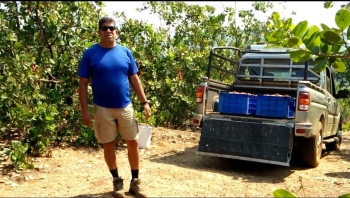
In Patradevi, Rajaram Mavlankar’s orchards are already abuzz. The 72-year-old farmer, who owns farms at Kadshi Mopa and Torxem, says his trees began fruiting a fortnight ago. “We have already begun preparing Urrak,” he says.
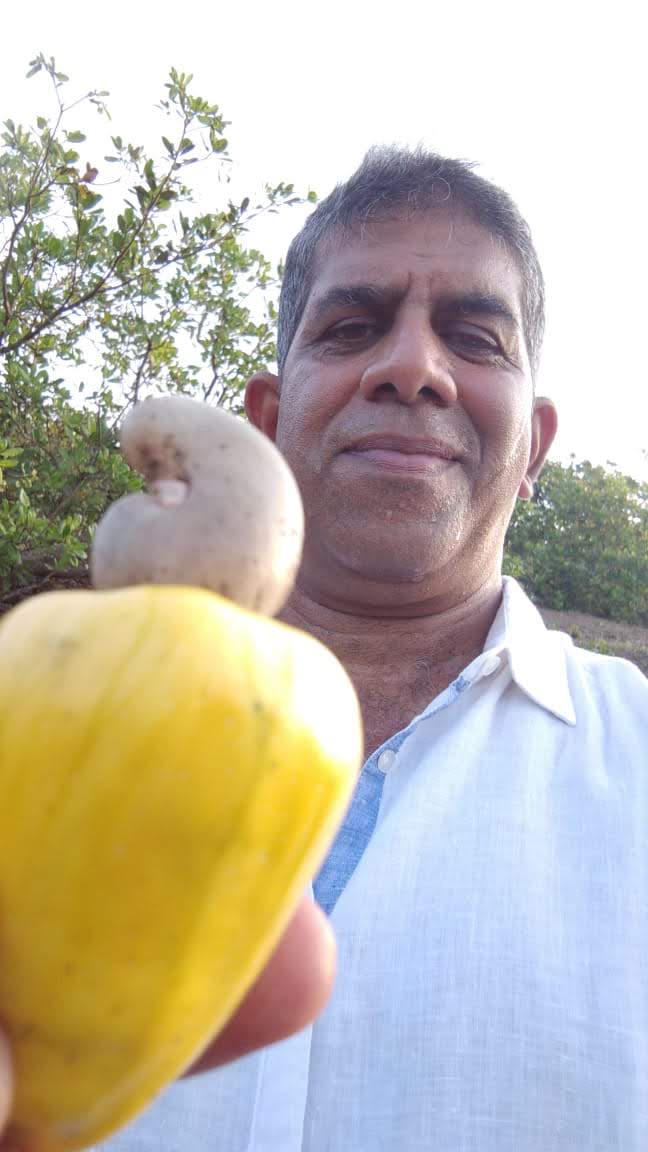
Rajaram processes 10 cans of 35 litres each daily, selling them at Rs 3,000 per can. With labourers from Jharkhand and his sons, he sustains the family trade. He expects the season to last till April, as his grafted varieties bear faster. He has also developed his own variety, M1, yielding yellow apples and large nuts ” about 100 per kilo.
Weather predictable, season looks promising
Award-winning cashew farmer and distiller from Quepem, Angelo (Bebe) Barreto, will have his first bottle of Urrak ready for sale on February 24. He believes the weather has been predictable and the season looks promising.
“The monsoon was good and extended, followed by a long spell of cold weather, which benefited cashew and mango crops. The mornings were not very misty. Mist leads to T mosquitoes that burn the flowers, but luckily that didn’t happen this year. Still, farmers in Goa live on a double edge. The cold must recede and heat must set in, as heat is essential for the fruit to develop and mature.
Cold nights also affect fermentation. On hot days, it takes two to three days, but in colder weather, six to seven days. Recovery drops as well “ from 100 litres of juice, only about 10 litres of Urrak is produced, compared to the usual 20 litres,” he says.
Fallen fruits, the best
“We collect only fallen fruits, as they are mature, juicy and flavourful. They make the best Urrak. Green or plucked fruits taste sappy, so we avoid them to maintain the quality of our Urrak and Feni,” explains Bebe, who gets around 40“50 litres of Niro on a good day. Niro is a sweet, clear nectar and a mild laxative. After extracting Urrak, the remaining pulp is tied in cloth and weighed down with heavy rocks to drain the last of the juice. This chilled nectar has a pleasant taste. Earlier, there was a market only for Urrak and Feni, but a small parallel market for Niro has now emerged, though supplies remain limited.
Krishna Anand Sinari Gaonkar from Amona says flowering has been mild this year in Sattari, home to large cashew plantations. Cold weather and dew burn the flowers, causing them to fall. The fruit needs heat to mature properly. Though fruiting has begun in some areas, the harvest is lower and insufficient for large-scale juice extraction.
Local cashew apples: Tasty & juicy
Cashew farmers in Bicholim have begun producing Urrak, but as local output is insufficient for juice extraction, they are sourcing cashew apples from neighbouring Maharashtra. Goan farmers typically prefer local apples for Urrak and Feni, turning to outside produce only when yields are low. The reason, they say, is taste. Goan cashew apples are known for their distinct flavour and high juice content compared to those grown elsewhere. “Our local varieties have a unique taste and plenty of juice. The fruit may be small, but it is rich and flavourful,” said a farmer.
The process of fermentation
Gone are the days when cashew apples were deseeded manually and crushed by stamping on them with feet. While this traditional method survives in a few bhattis, most now use machines for deseeding and crushing. Farmers like Bebe, however, still rely on labour. Fallen fruits are collected, deseeded by hand, and poured into a machine to extract the juice, which is then left to ferment naturally “ no artificial agents are added. On warm, humid days, fermentation takes about 48 hours; colder nights extend the process.
After fermentation, the juice is poured into large copper vessels called Bhand, kept initially on a strong fire before the heat is reduced. Distillation follows, with the vapour condensing into a separate tank. The first distilled liquid is Urrak, with 15“16% alcohol. From 100 litres of juice, about 20 litres of Urrak is produced. Double distillation uses two 35-litre cans with added water or juice.
Feni, requiring a stronger fire and 10“12 hours of distillation, is costlier due to longer duration, more wood, and additional labour. Reaching for a glass of Urrak or Feni is no easy task; it demands patience. But the reward is worth it “ an aromatic, tempting, pure liquid that carries the essence of Goan cashew orchards.


