Tiled roofs in Goa have long played a part in shaping village homes, offering comfort through heat and heavy rain. Today, they are slowly fading from the landscape, even as they continue to carry stories of how people once built and lived with the weather
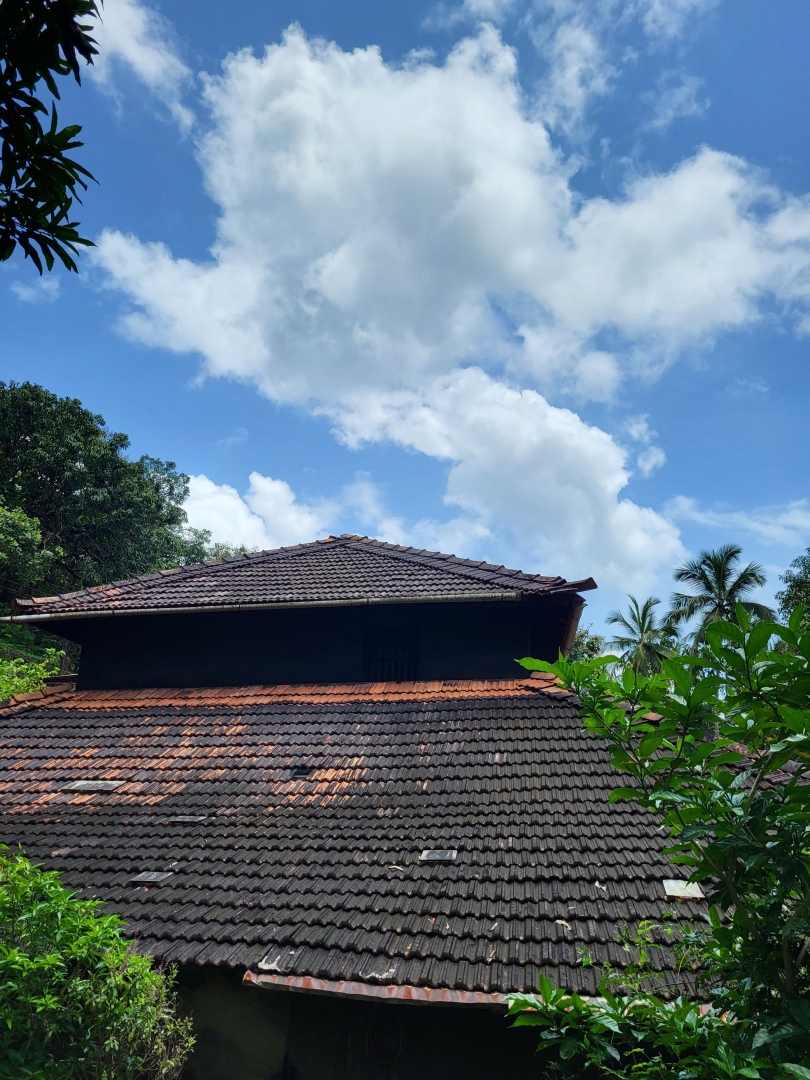
Before the first monsoon showers arrive in Goa, many village households begin preparing their tiled roofs for months of heavy rain and coastal winds. Broken Mangalorian tiles (nale) are replaced, wooden supports and battens (vasse and kambi) are checked for damage, and layers of dry leaves, dust, and moss are carefully swept away. In several older Goan homes, this annual process of readying and restoring the roof before the rains is still referred to as ghar partovap - a practice once carried out collectively by families before the monsoon settled over the villages.
Across villages in Goa, these sloping Mangalorean tiled roofs have long shaped the feeling of home itself. Their clay helps regulate indoor temperatures naturally, keeping houses cool during harsh summers, while their sloped structure allows rainwater to flow easily, softening the sound of rain. Yet today, despite continuing to shape Goa’s village landscape, these tiled roofs are steadily giving way to metal sheets and concrete slabs.
From Karnataka to Goa
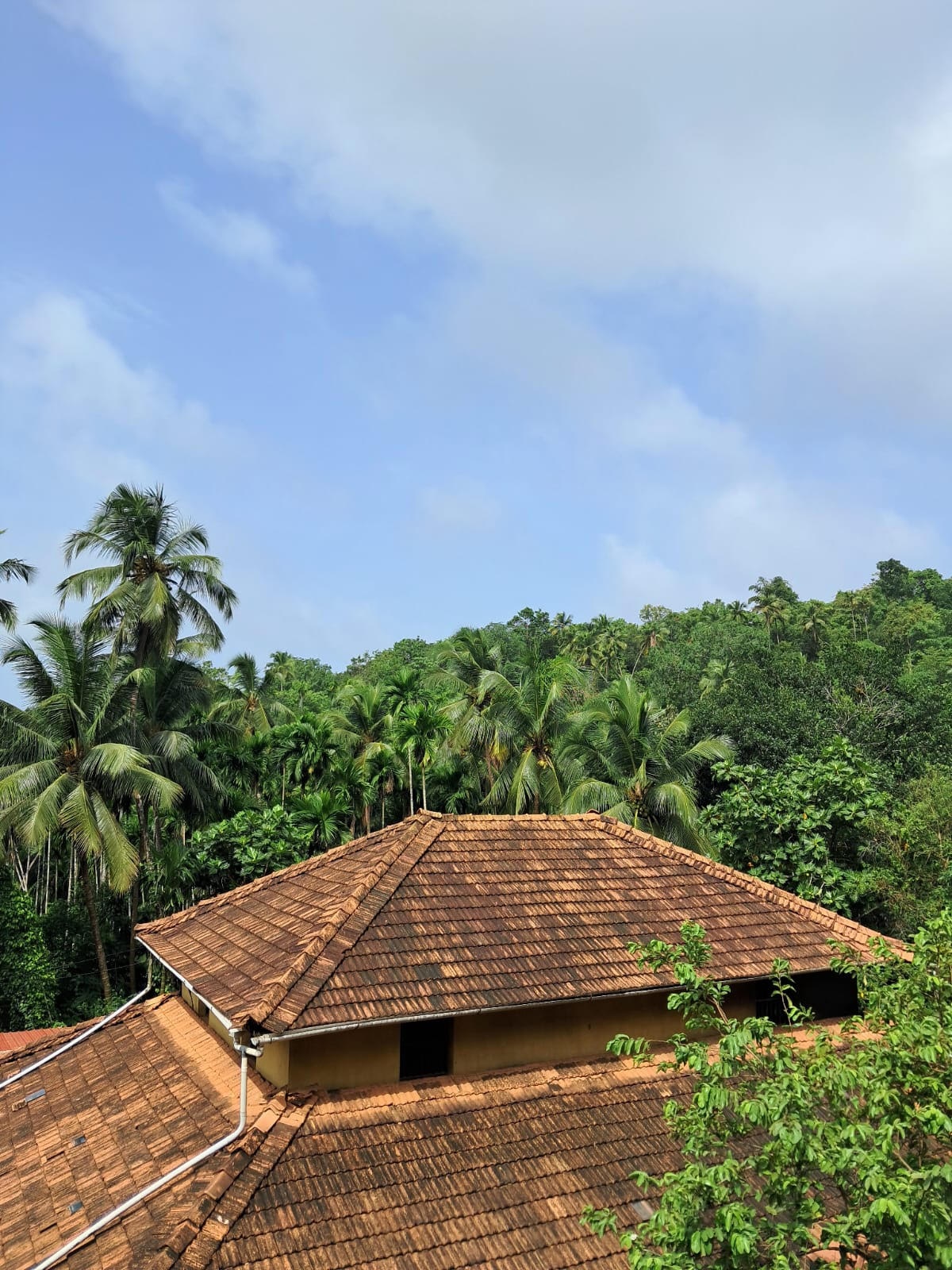
Mangalore tiles trace their origins to the clay-rich banks of Karnataka’s Netravati River in the 19th century, eventually becoming one of coastal India’s most recognisable roofing styles. Their production began during the British Raj, with the first tile-making workshop established in 1863 at Jeppu in Mangalore. What began as a small unit using local clay and manual labour gradually grew into one of the region’s largest industries.
Even today, long after newer materials have entered the market, tiled roofs continue to be valued for the comfort, ventilation, and climate-sensitive living they offer. Conversations with homeowners across Goa reveal that these roofs continue to reflect a way of life rooted in generational and sustainable living practices.
A family tradition
Vivek Borker from Borim has lived in a tiled home for the last 22 years. He remembers how roof work once brought entire families together before the monsoon. “Earlier, households were larger, and everyone would happily do this work together,” he says. “Now there are fewer people at home, and even workers who know this kind of work are difficult to find.”
Every year before the rains, one has to climb onto the roof to inspect broken tiles, often damaged by monkeys or strong winds. Larger repair work is usually done with the help of one labourer, though Vivek says he learnt much of the process as a child while working alongside his father at their ancestral home.
In several homes today, families continue retaining the original tiled roof while adding sheets above it, balancing preservation with practicality. Yet despite the shift towards slabs and sheet roofing, Vivek still prefers tiled homes. “A tiled roof house stays cooler and more ventilated. From a health point of view, too, tiled homes are better,” he says.
Rising costs and difficult maintenance
But as labour grows scarce and repairs become harder to manage, many households are transitioning from traditional tiled roofs to slabs and sheet roofing.
Arvind Barve from Valpoi spent nearly 40 years living in a house with mud walls and a tiled roof. He remembers waking up early in May every year to turn the tiles before the summer heat became unbearable. Broken tiles would be replaced, glass pieces fitted between the tiles, cleaned, and termite-damaged wooden supports changed carefully. “Earlier this was done almost every year,” he says.
Today, many houses have replaced wooden structures with iron supports, reducing some of the labour involved. But maintaining tiled roofs still remains expensive. “The biggest problem is the rising cost of wooden materials and the damage caused by termites,” he explains.
Heavy rains bring another challenge. During intense monsoons, water often drips through cracked tiles. Climbing onto slippery roofs during the rains to replace broken tiles can also be dangerous. Strong coastal winds sometimes blow away tiles entirely, making metal sheets seem like a more dependable option.
“Of course, we feel like preserving these roofs,” Arvind says, “but it no longer suits everyone’s pocket. Constant repairs become difficult. Compared to that, putting sheets feels easier.”
A living inheritance
For young Goans who have grown up in Mangalorean tiled homes, the attachment often extends beyond practicality and maintenance concerns.
Vardhan Tengse from Poinguinim, living in a house built in 1978, says, “Tiled roofs represent a living inheritance.” He says his family no longer undertakes full roof restoration every year because labour has become both expensive and difficult to find. “If workers are available, then the work gets done. Otherwise, it simply waits,” he says.
According to him, younger people rarely enter this line of work anymore. “Most youths now look for education and jobs. These kinds of skills remain with experienced workers who have been doing it for years.” Still, he finds it difficult to imagine replacing tiled living entirely.
“We have grown up in these homes, so change feels unfamiliar,” he says, adding that preserving such houses also feels like a responsibility towards the next generation. “Some rare things deserve to survive in today’s world.”
More than just a roofing style
Perhaps that is what makes these roofs endure despite the hard work, labour, leaks, and yearly repairs. Long before sustainability became a modern concern, these homes already understood how to respond to heat, rain, ventilation, and climate through naturally made materials that supported healthier living. The fading of tiled roofs in Goa is not merely the loss of a roofing style, but of a slower relationship between people, weather, labour, and home.