


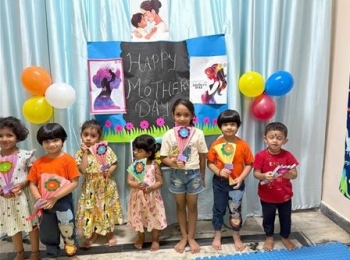
PANAJI
With Mother’s Day being celebrated worldwide, a mother’s sacrifice often becomes a prominent topic of discussion. The idea of motherhood is traditionally associated with unconditional love and lifelong care. But for the women featured here, it means stepping into a different role and building bonds that take time, trust, and understanding to grow. Their journeys reflect the reality that parenting is as much about emotional presence as it is about responsibility, with each story carrying its own struggles and triumphs.
BEYOND BIOLOGY
As gift shops and handicraft outlets display photo frames, cards, and mugs carrying quotes such as “A mother’s touch is irreplaceable” and “Life doesn’t come with a manual, it comes with a mother,” it is important to acknowledge the countless women who nurture children beyond their own families. From guardians at day-care centres to caregivers in paediatric wards, many play a motherly role in shaping, comforting, and guiding young lives every day.
These bonds may not always be defined by blood, but they are built through patience, care, and emotional support. Three women share their challenges, triumphs, and the realities of what being a “mother beyond motherhood” truly means to them.
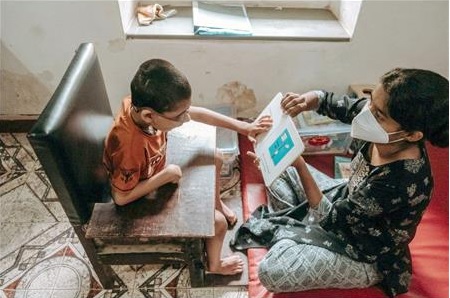
A team member attending to a child at Novi Shurvat.
EVERYDAY MOTHERS
Sunita Kalpesh Baria, owner of Blooming Roots Day-care and Activity Centre, believes motherhood goes far beyond caring for one’s own children. “A mother’s role is rooted in love, nurturing, guidance, patience, and creating a sense of safety, and those qualities can touch many lives, not only her own child’s,” she says. While the bond with one’s own child may naturally be different, Baria ensures that every child under her care feels respected, protected, and emotionally supported. “A true caregiver does not divide children into ‘mine’ and ‘others’ when it comes to compassion and basic care.”
Reflecting on Mother’s Day, Dr Philomena D’Souza, President of Novi Survat Goa, a non-profit children’s palliative and supportive care organisation, shares a similar view. “Motherhood is not only about giving birth to a child; it is also about nurturing, protecting, teaching, and supporting someone with patience and love over time,” she says.
Shweta Kamat Wagh, an administrator at a day-care centre, aptly describes the sentiment: “Motherhood is that home where you feel safe. It’s the medical centre that treats with unconditional love and care, especially with a Jadu ki Jhappi (magical hug).”
CHALLENGES FACED
However, their journeys are not without challenges and difficulties. Emotional and personal struggles arise at almost every step of the way. “Simply knowing and coming to terms with the fact that I can never 100 per cent replace what a biological mother does for her child happens to be one of my personal challenges,” confides Dr D’Souza.
For Baria, one of the biggest responsibilities lies in balancing attention between the children under her care and her own family. Even after taking on the responsibility of nurturing other children, the ones at home continue to need the same love, time, and care from their mother.
Giving a child a “mother’s touch” goes far beyond simply offering unconditional love. It is about making them feel safe, valued, heard, and cared for, not just physically but emotionally as well. Providing this sense of comfort does not necessarily mean loving every child in the exact same way, but ensuring that each one feels important, protected, and accepted.
“I don’t differentiate between ‘mine’ and ‘others’ while looking after the well-being of those under my care,” says Baria.
To provide better care, Wagh follows two golden rules. “One is speaking to them in their mother tongue and at their level, so they open up quickly. Secondly, I hear them out. Simply being there and listening to them makes a huge difference,” she shares.
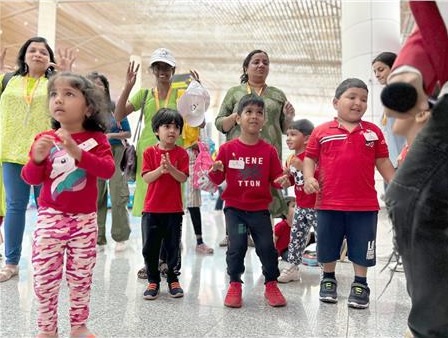
Shweta Kamat Wagh taking part in an activity at the day-care centre.
BONDS OF CARE
Though these are only three stories, they reflect the experiences of countless women who nurture and care for children beyond their own families every single day. Despite the emotional and personal challenges that come along the way, they continue to show up with empathy and dedication, making every child under their care feel valued. In their own unique ways, they redefine what it means to be a mother, proving that motherhood is shaped not only by biology but also by compassion, understanding, and the willingness to stand beside a child through every step of their journey.


