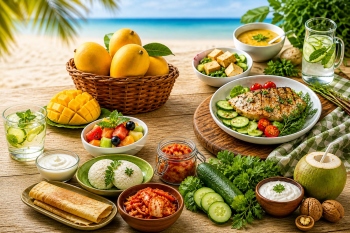
A s the relentless summer sun beats down and the characteristic coastal humidity settles heavily in the air, our bodies instinctively signal for a change. Heavy, rich meals suddenly lose their appeal, replaced by cravings for anything crisp, light, and refreshing. While the first impulse might be to reach for a sugary dessert or a massive bowl of ice cream to beat the sweltering heat, these quick fixes often do more harm than good.
Choose seasonal, but practice moderation
Summers in Goa are synonymous with mangoes, and while many look forward to relishing this seasonal delicacy, it is important to do so in moderation. “Seasonal fruits and vegetables that are available in summer have a high water content that helps hydrate the body. They are also rich in vitamin C and antioxidant compounds,” states senior nutritionist Rohini Diniz. “However, mangoes are high in sugar and hence calories. They should be eaten in moderation,” she explains. Similarly, while ice creams and sugary desserts are heavily consumed to drive exhaustion away, the energy spike is temporary. It often results in a sluggish crash once the sugar wears off, leaving the body feeling more fatigued than before.
Diniz emphasises one universal rule: “Everyone needs to eat light foods during summer. One should avoid spicy and oily foods and snacks.”
Eat light to keep body temperature in check
Specific foods heavily impact the body’s internal temperature. Digestion is a naturally heat-generating process. Heavy proteins like red meat require significantly more energy to break down, naturally raising internal body heat during the peak summer months. Experts recommend shifting to easily digestible, lighter proteins such as fresh fish, lentils, and tofu. Incorporating cooling herbs like mint, fennel, and coriander into meals naturally soothes the gut lining and prevents common summer acidity. Additionally, prioritising water-rich vegetables like cucumber, bottle gourd, and leafy greens provides essential nutrients and dietary fibre without overburdening the digestive system.
Focus on gut health and fermented foods
High heat and humidity directly affect the body’s nutritional needs, altering metabolic demands and often reducing appetite. To combat this, dietary choices need to adapt, particularly concerning gut health. “Nutrition should focus on lighter meals, fruits, curd, and easily digestible foods to reduce stress on the body,” advises nutritionist Dr Richa Rishabh Shet Talauliker. To further support digestion, integrating probiotics and fermented foods is highly recommended. Traditional fermented staples like idli, dosa, and homemade curd introduce beneficial live bacteria to the digestive tract. These foods prevent summer-induced bloating and maintain a balanced gut microbiome when the body is vulnerable to heat stress.
The variety of fermented foods available has grown significantly, bringing new options to everyday diets. Probiotics come in many forms, which make excellent, easily digestible additions to summer meals. Notably, kimchi is making a massive entry into Indian markets. Driven by the rising popularity of Pan-Asian cuisines, this traditional Korean staple, made from fermented cabbage, radishes, and a blend of seasonings, packs a powerful probiotic punch. Rich in Lactobacillus bacteria, kimchi aids digestion, and its spicy, tangy flavour resonates perfectly with the Indian palate, making it a popular accompaniment to everyday meals. Including such diverse fermented foods ensures a wider spectrum of beneficial gut bacteria, equipping the digestive system to handle intense summer heat effectively.
Adapt diet and meal timing for every age
Dr Talauliker breaks down specific nutritional focuses for different age groups. “Teens should focus on seasonal fruits, and healthy home-cooked balanced meals rich in protein and calcium, as they are in a rapid growth phase,” she explains, while noting that the youth must maintain their energy, thus protein-rich food is vital. For the middle-aged, she suggests, fibre-rich, light meals with whole grains, vegetables, lean proteins, and less oily, spicy food help maintain digestion. The elderly, whose appetite may naturally reduce with age, should be provided with soft, easy-to-digest foods, soups, curd, fruits with high water content, and small, frequent meals to ensure they receive adequate nutrition.
Meal timing is just as crucial as the food itself. “I would strongly advise avoiding long gaps between meals. Goa’s heat can lead to excessive sweating, reduced appetite, low energy levels, and faster exhaustion,” Dr Talauliker shares. When people skip meals or eat very late, the combination of heat, stress, and low blood sugar can trigger severe fatigue, dizziness, and irritability. “Thus, instead of very heavy meals, smaller and lighter meals spread through the day work much better in the summer,” she concludes.
Surviving the peak of summer does not mean sacrificing the joy of eating; it just requires a smarter, more mindful approach. By leaning into gut-friendly probiotics, choosing lighter, easily digestible meals, and eating smaller portions more frequently, you give your body exactly what it needs to thrive. Making these simple dietary adjustments is the ultimate recipe for staying cool, energised, and healthy all season long.