


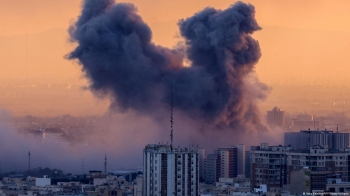
No bombs have fallen in Goa, yet the fear of war may already be knocking on our doors. This year, the theme for the 19th Annual UN Psychology Day is “Psychological Contributions to Fostering Collective Action in Uncertain Times: Advancing Human Rights in a World in Conflict”.
April 23, 2026, is slated to be the United Nations Psychology Day. This day began in 2007, and being annual, it has been celebrated every April since then. The idea was to highlight the role of psychology in UN goals such as human rights and sustainable development goals.
In a conflict, innocent civilian lives, including those of the most vulnerable, are threatened and silenced, be they children, adults, elderly, disabled or sick persons. On the global platform, this year’s UN theme emphasises the need for preserving these human rights given the intricacies of how multiple countries and nationalities are affected by the ongoing conflicts in different areas of the globe.
How does the theme of UN Psychology Day relate to us locally even though we may not reside directly in the war zone? Goans are one of the few diasporas that are truly scattered all round the globe. Currently, Goan families with loved ones in the Gulf face anxiety from the ongoing US-Israel-Iran conflict. Expatriates face job insecurity, pay cuts and profound uncertainty. Many support their families back here in Goa, and these circumstances directly affect their ability to continue sending remittances that may be the sole income of the family. There are around 2.5 lakh Goans in the Gulf nations. When unexpected circumstances cause remittances to plummet, it hits several factors besides the domestic budget. Investments and loan payments receive a setback which is a worry to the present and the future.
Though everyone thought that the Middle East conflict would be a brief big bang encounter, none foresaw the unexpected capacity of Iran’s ability to strike back and endure. This has not only prolonged the time frame but also escalated the conflict. Failed talks have only added to the uncertainty of finding a ceasefire date.
Recent bombings and retaliatory attacks between the three countries, extending to the adjacent regions, have trapped Goans in this crisis, with airport closures halting returns, forcing lockdowns amid missile alerts. Psychologically, families endure chronic stress from news of attacks near residences and workplaces. War imagery affects expat children, fostering intergenerational trauma like sleep issues and helplessness going forward.
A similar picture had played out once before in the 1990 Iraq-Kuwait conflict that saw mass returns to Goa and livelihood losses. Mental health concerns like anxiety, post-traumatic stress disorder and suppressed grief will be visible among the migrant communities.
Therefore, this year’s UN theme is very relevant to the Goan context, as it addresses concerns directly related to us. While a war would imply physical demands and challenges to those fighting in the conflict, it also brings on mental health challenges not only to those physically fighting but also to their families. Add to that, all those residing and working within these areas, including the citizens and expats.
A few weeks back there were serpentine queues at the petrol pumps, a rush to stock up cooking cylinders, the increased sales of induction cookers and some local restaurants going back to firewood.
So, if you believe that the war has nothing to do with you and the theme does not concern you, you may be wrong. If psychology teaches us anything, it is that the wounds of war are carried not only in the rubble of cities but also in the quiet anxieties of homes far away, like ours in Goa.
(The writer is Associate Professor and Head of Department of Psychology at St Xavier’s College, Mapusa)


