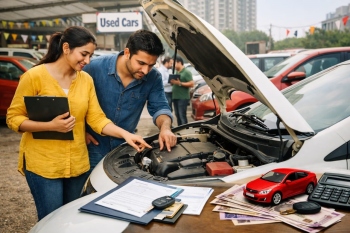
India’s used car market is growing fast, and for many buyers, it has become the smarter way to own a car. Rising prices of new vehicles, better online platforms, and easy finance options have pushed more people towards pre-owned cars. But while the opportunity is strong, buyers need to be careful and informed before making a purchase.
The numbers show how big this shift is. The used car market is expected to grow 8“10 per cent in FY26, more than twice the pace of new car sales. Sales volumes are likely to cross 6 million units, with the total market value nearing Rs 4 lakh crore. On average, used cars are selling for around Rs 5.47 lakh, making them far more affordable for middle-class buyers.
Why used cars are booming
Affordability is the biggest reason. With new car prices rising due to higher input costs and taxes, many buyers are choosing slightly older models that offer better value.
At the same time, India’s growing middle class is looking for personal mobility, but without stretching budgets. A used car allows buyers to get features like automatic transmission, airbags, or infotainment systems at a lower cost.
Digital platforms have also made buying easier. Online marketplaces now offer inspections, price comparisons, and even home delivery, improving trust in a segment that was once largely unorganised.
What buyers should check first
Even with these advantages, buying a used car comes with risks. The first step is checking the vehicle’s history. This includes ownership details, accident records, and whether the car has any pending loans. Missing this step can lead to legal or financial trouble later.
A physical inspection is equally important. Buyers should look for signs of repainting, rust, or uneven panel gaps, which may indicate past accidents. Engine condition, tyre wear, and suspension should also be checked carefully.
If possible, a trusted mechanic should inspect the car before purchase. Many issues may not be visible during a simple test drive.
Documents and paperwork
Proper documentation is critical. The Registration Certificate (RC), insurance papers, pollution certificate, and service records must be verified.
Buyers should ensure that the RC transfer is completed immediately after purchase. Delays in transfer can lead to complications, especially if the previous owner commits any traffic violations.
It is also important to check if road tax has been paid and whether the car is eligible for re-registration if it is older than 10“15 years, depending on the state.
Pricing and negotiation
Used car prices can vary widely based on condition, mileage, and location. While online tools give an estimate, buyers should compare multiple listings before finalising a deal.
Experts advise avoiding deals that seem too cheap, as they may hide defects or legal issues. On the other hand, there is always room for negotiation, especially if minor repairs are needed.
Safety and features
Many older cars may lack modern safety features. With programmes like Bharat NCAP rating new vehicles for crash safety, awareness around safety has increased.
Buyers should prioritise cars with at least basic features such as airbags, ABS, and rear parking sensors. Spending slightly more for a safer vehicle is often a better long-term decision.
Financing and insurance
Finance options for used cars have improved significantly. Banks and NBFCs now offer loans with competitive interest rates, though they are usually higher than new car loans.
Insurance is another key factor. Buyers should check whether the existing policy can be transferred or if a new policy is needed. A comprehensive cover is recommended, especially for relatively newer used cars.
The bottom line
The second-hand car boom reflects a clear shift in Indian consumer behaviour towards value and practicality. With strong growth expected in the coming years, the segment will only become more organised and competitive.
For buyers, the opportunity is real”but so are the risks. A careful approach, proper checks, and informed decisions can help turn a used car purchase into a smart and reliable investment.