MAPUSA
Come summer, and water scarcity once again becomes a harsh reality for residents across the coastal belt of North Goa, exposing the gap between official assurances and ground realities.
While the tourism-driven economy continues to thrive, locals in areas such as Vagator, Anjuna, Siolim and Assagao say access to basic water supply remains inconsistent and, in some cases, nearly non-existent. Ironically, many residents allege that hotels and guest houses in the same localities face little to no disruption, deepening the sense of inequity.
In Vagator, the situation has turned particularly severe this season. Residents who once relied on an alternate-day supply now report going weeks without a single drop.
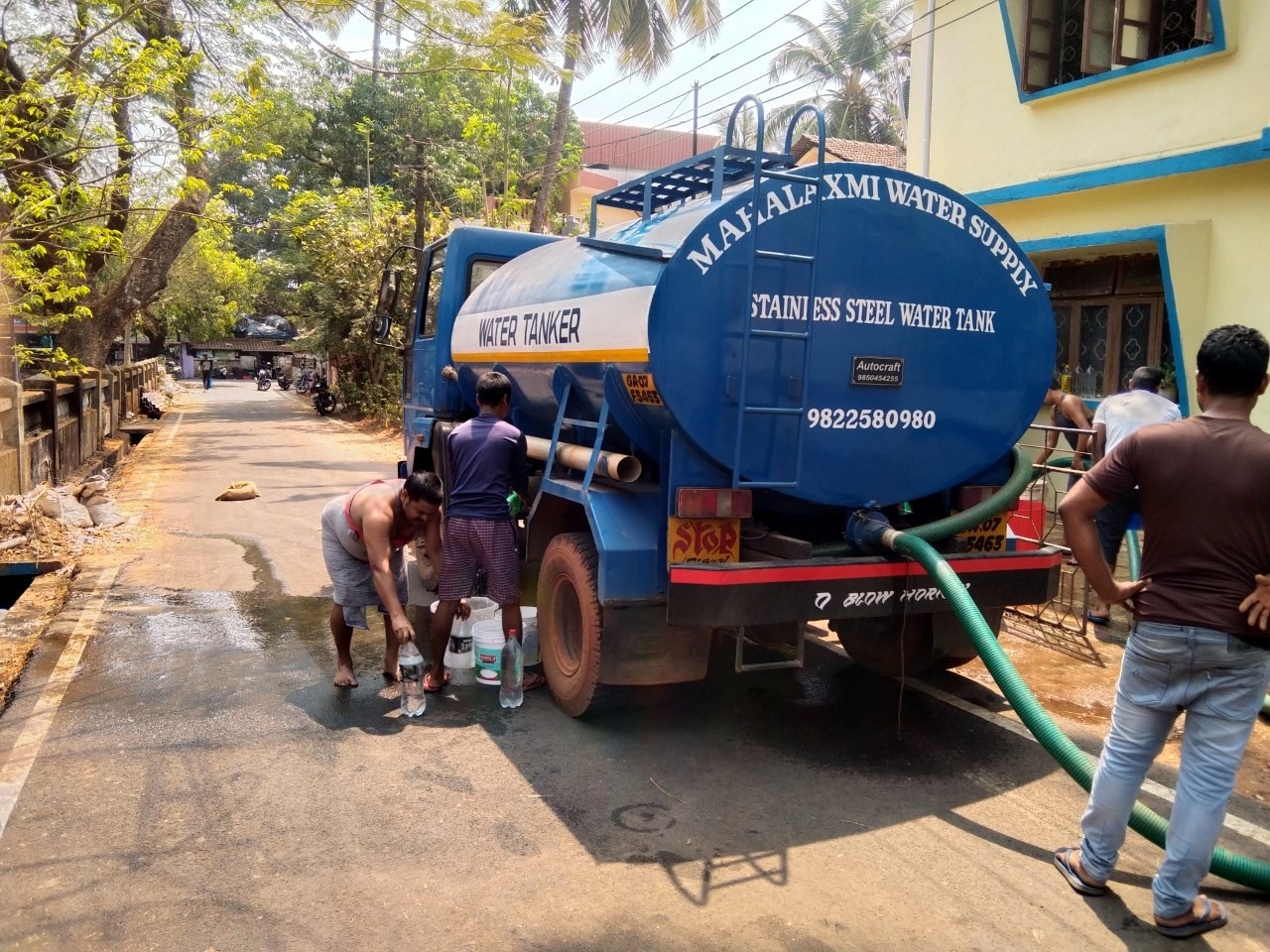
“We normally get water on alternate days, but for the last two weeks there has been nothing. We are forced to buy water from tankers,” said local resident Jawish Moniz.
‘Tomorrow’ never comes
For others, the crisis is even more prolonged. Brenda Lobo, another resident from the Vagator-Anjuna belt, claims she has not received water for nearly a month despite repeatedly approaching officials.
“I have been running from one department to another, meeting engineers, but nothing has changed. The supervisor keeps promising to visit, but that ‘tomorrow’ never comes,” she said, expressing frustration at what she described as official apathy.
With supply failing, many households have turned to private tankers – an expensive and unsustainable alternative. Some residents admit to installing booster pumps to draw water, despite knowing the practice is illegal.
“What option do we have if there is no supply?” asked Lobo.
Tail-end villages left dry
The problem is not limited to Vagator and Anjuna. In parts of Siolim-Marna, including Zor-vaddo, Guddem and Rai, residents say their location at tail-end points or elevated terrain leaves them at a disadvantage, often resulting in little to no water reaching their homes.
In Assagao, infrastructure issues have compounded the crisis. Despite the commissioning of a new filtration treatment plant, residents say faulty pipelines have undermined supply. Frequent bursts in newly laid pipelines have led to repeated digging of freshly tarred roads.
“The pipelines are of poor quality. The department has had to dig up the road at least 10 to 15 times due to bursts. How was the quality even cleared?” questioned Sarpanch Hanumant Naik.
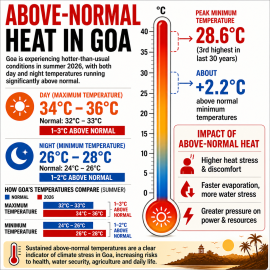
As temperatures rise, these recurring issues highlight a familiar pattern – summer after summer, residents grapple with shortages, irregular supply, and administrative delays, even as authorities continue to promise improvements.