Panaji's signature-styled buildings are getting lost in sand of time
PANAJI
The month of July has been all about the rain, winds and the damage these two elements of nature have left behind across Goa. In the melee, some of the few remaining cute, tiled-roofed homes and edifices have faced the brunt, one even partly collapsing.
Many of these, which lie in a state of jarring architectural contrast with the rest of the city that galloped on the path to rapid concretisation in the face of three to four decades of real estate boom, springing high-rise buildings of modular architecture and design.
Campal, where the Dr Jack de Sequeira family home is located and Sao Tome-Fontainhas, are two precincts of the capital city where such ground and ground-plus-one tiled-roof bungalows obliterate other modern architectural buildings. The old structures in these two precincts -- many which are as old as one and two centuries -- have weathered the July monsoon storm without much damage.
However in the rest of the city, where such old heritage structures are sparingly interspersed between tall three, four and five storeyed buildings of modular architecture, some have been unable to survive the stormy weather of the last three weeks unscathed.
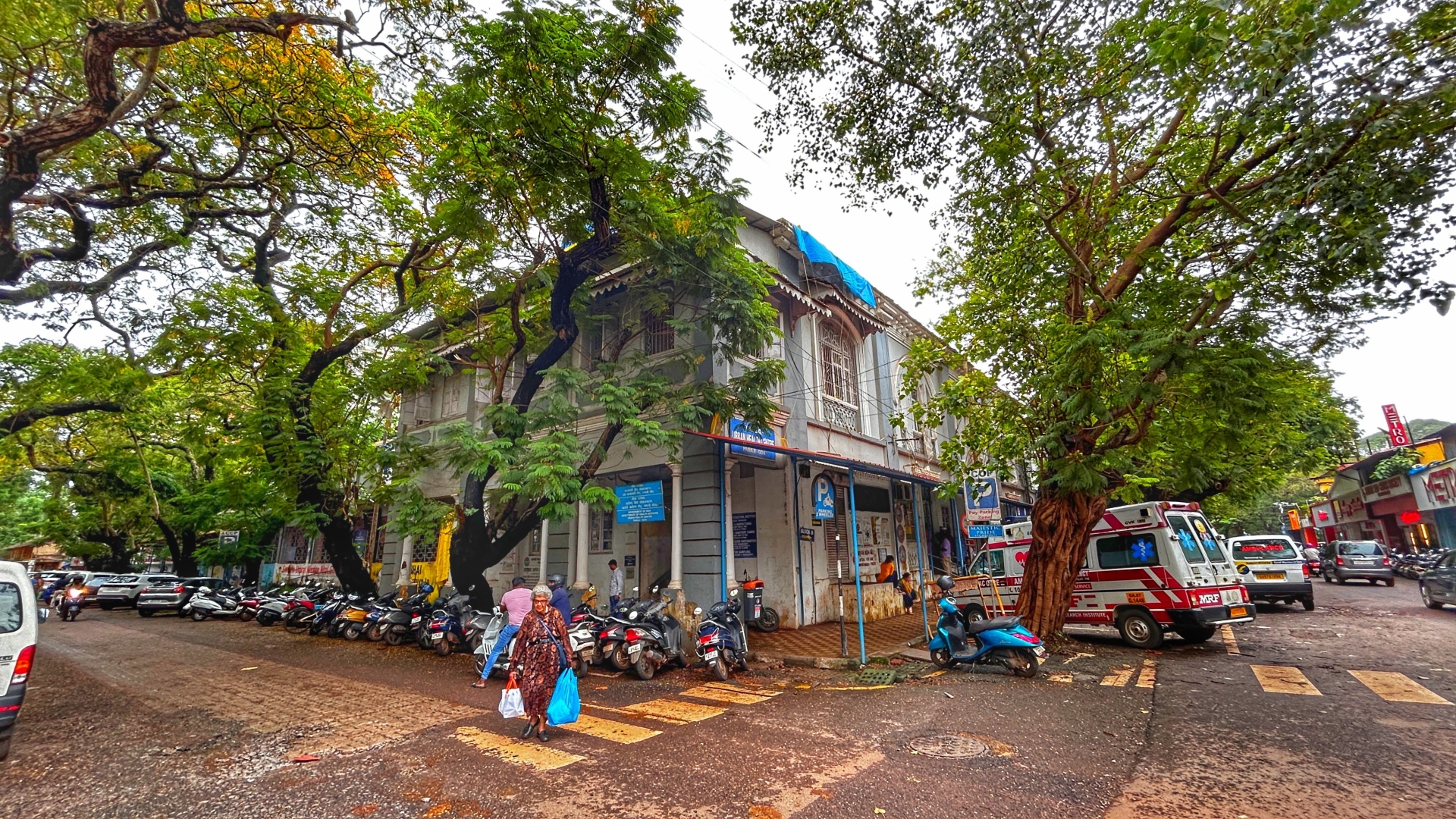
Take for instance the ground-plus-one edifice in the heart of the city opposite the General Bernard Guedes rose garden and adjacent to the 'Woodland' showroom. Belonging to the city's Monte Cristo Vaz family but partly occupied by over a dozen tenants and a few of them running businesses, large chunks of the stone-mud-and-mortar structure have come crashing down on three different dates in the last fortnight.
At least half a dozen other such edifices are facing a similar threat from the ongoing fury of the monsoon, notable among which are: the ground-plus-one 'Ding-Dong Bar' structure near the CCP, the bungalow adjacent the Vaidya Hospital which once housed the Sundar lodge and the ground-plus-one structure adjacent the Panaji fish market.
Goa's law on heritage homes and structures, do not cover most of these structures and have jurisdiction only over such houses in areas which are notified like Campal and the Sao Tome-Fontainhas precincts.
"Goa is distinct from other Indian States ruled by Hindu rulers, Muslim dynasties and European colonialists. It has an amalgamation of styles in an intangible heritage of buildings including residential, religious and administrative edifices," says former Panaji resident and a keen heritage and history buff, Sanjiv Sardesai.
"They have incorporated a signature blend, which makes them an eye-pleasing experience. Just a handful of these mud packed or laterite constructions survive the rapacious eyes of builders and real estate developers," Sardesai who founded 'hands-on-historians' says, adding that these signature-styled buildings, which the world over are preserved with passion, are getting lost in the sand of time.
He surmises that high maintenance costs, coupled with the carrot of commercial pricing is spelling the end of these structures.
None-the-less, Sardesai says there is an urgent need for a 'Heritage House Policy' that the State's lawmakers must seriously contemplate.
"Schemes must be offered to owners of such houses, at least to start with in the cities, to preserve these structures which offer a distinct aura to Goa," he said, adding that the collapse of the house on MG Road and the aesthetic one opposite the old Hospicio in Margao are symptoms of a slow death faced by this intangible heritage of Goa.