MAPUSA
After spending over three months behind bars, the Luthra brothers “ owners of the ill-fated Birch by Romeo Lane nightclub “ walked out on bail this week, shifting the spotlight from incarceration to accountability in one of Goa’s deadliest fire tragedies that claimed 25 lives.
Their release marks a turning point, not closure.
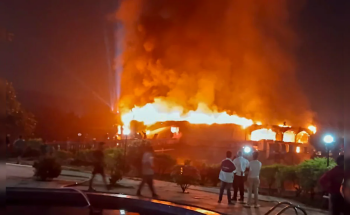
The inferno that tore through the Arpora nightclub did more than expose a single establishment “ it ripped open a system. Questions around dubious licensing, regulatory blindness and the alleged patronage extended to high-risk nightlife ventures in the coastal belt have only grown louder since.
Accountability or
selective action?
In the immediate aftermath, swift action appeared to signal seriousness.
Two senior officials “ the then member secretary of the Goa State Pollution Control Board (GSPCB) and the then Director of Panchayats “ were suspended.
But their reinstatement following the filing of the chargesheet has raised eyebrows.
A senior police officer, speaking on condition of anonymity, said: “The chargesheet is based on documentary and forensic evidence collected during the investigation. Arrests and suspensions were part of the process, but the trial will determine individual culpability.”
Yet, on the ground, the perception is starkly different.
Local Arpora Sarpanch Roshan Redkar was arrested, jailed, later released on bail “ but not before being removed from his post and disqualified as a panchayat member.
The panchayat secretary, too, lost his job, faced arrest and is now out on bail.
Critics argue that the lower rung of the administrative ladder has borne the brunt, while larger political accountability remains conspicuously absent.
The political shadow
Whispers of political complicity have long hovered over Goa’s nightlife economy.
It is widely believed “ though yet unproven in court “ that certain establishments operated with tacit political backing, enabling them to bypass norms and continue operations despite glaring violations.
A former bureaucrat, requesting anonymity, noted: “No nightclub of that scale runs in a sensitive coastal zone without multiple layers of clearances. The real question is “ who enabled those clearances and under what pressure?”
So far, no senior political figure has been formally named in the case.
Trial ahead
With the police having filed a chargesheet, the case now enters the trial phase “ a process that could stretch for years. All key accused, including the Luthra brothers, are currently out on bail.
Legal experts point out that bail is not acquittal. However, the pace and outcome of the trial will be crucial in determining whether the case becomes another prolonged legal battle or delivers timely justice.
The way forward
The tragedy has already triggered calls for systemic reform. Fire safety audits, stricter licensing protocols and greater transparency in approvals are among the measures being discussed. But implementation remains the real test.
A police official involved in the investigation summed it up: “This case should serve as a benchmark. If violations are proven, accountability must go beyond individuals to the system that allowed it.”
For the families of the 25 victims, the release of the accused is a painful reminder that justice is still a distant prospect.
And for Goa, the larger question lingers “ will this tragedy force a clean-up of the nexus between business, bureaucracy and politics, or will it fade into yet another cautionary tale buried under time?