Dr Amit Dias is internationally recognised for research in dementia
PANAJI
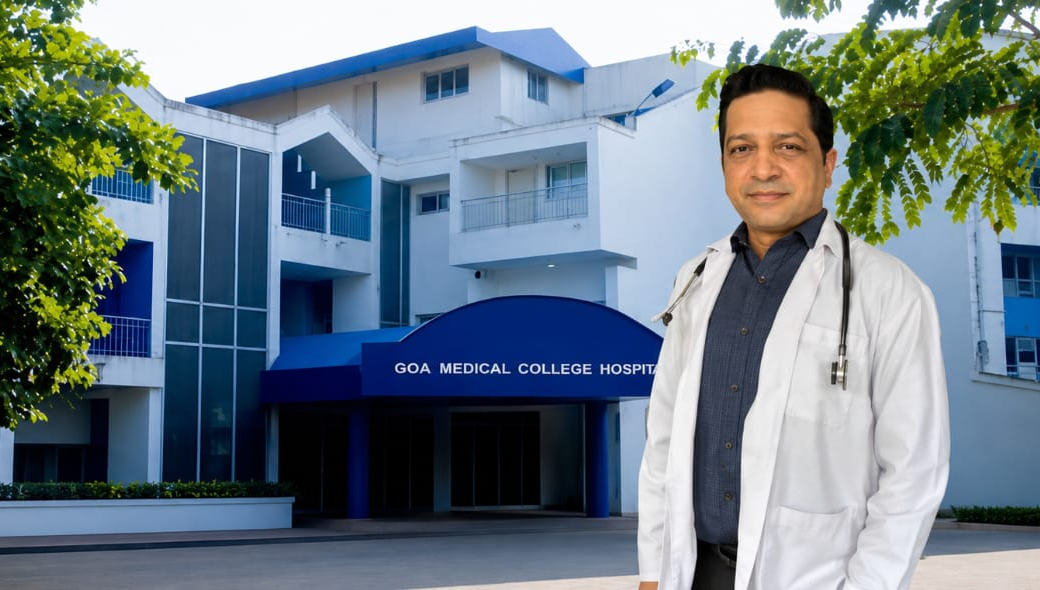
Dr Amit Dias, Assistant Professor in the Department of Preventive and Social Medicine at Goa Medical College (GMC), has been recognised among the World's Top 5% Scientists in the 2025 SciRank Global Registry, following an independent global bibliometric analysis of scientific productivity and research impact.
According to the SciRank Global, Dr Dias is among the top 5% of active researchers worldwide, with a global rank of 161,209, placing him within an elite group of scientists whose research contributions have demonstrated exceptional productivity and influence.
The SciRank Global 2025 Scientist Index is based on comprehensive bibliometric assessments of approximately 10 million active researchers and over 50 million scholarly publications worldwide.
Dr Amit Dias' inclusion in the 2025 SciRank Global Registry highlights not only his achievements but also the growing contribution of Goa Medical College and Goa to impactful global health research.
ACHIEVEMENTS, RECOGNITION
Dr Dias has completed an MD (Preventive and Social Medicine), Diploma in Tropical Medicine and Hygiene, Postgraduate Diploma in Geriatric Medicine and MSc in Clinical Trials from the London School of Hygiene & Tropical Medicine and University College London.
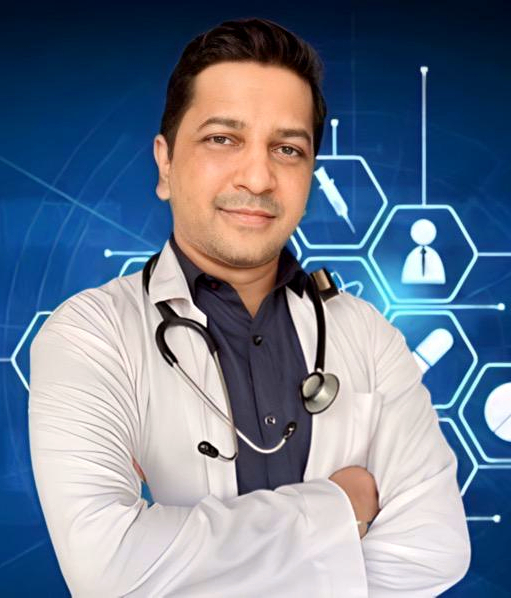
Dr Dias, who hails from Aldona but presently resides in Porvorim, is internationally recognised for his research in dementia, healthy ageing, mental health, diabetes, and major public health issues.
 His scientific journey began while pursuing an MD in Preventive and Social Medicine, where he conducted pioneering research on care arrangements for people with dementia in Goa.
Together with former GMC professor of neurology late Dr Chicot Vas, Dr Dias co-founded the NGO ‘Dementia Society of Goa’, to improve lives of people with dementia and supporting their families and caregivers.
Dr Dias has served as member of the Lancet Commission on Dementia Prevention, contributing to global evidence on reducing the risk of dementia and cognitive decline. He is also member of the World Health Organization (WHO) Technical Working Group on Risk Reduction for Cognitive Impairment and Dementia.
Dr Dias has authored and co-authored over 75 scientific publications, which have received over 12,000 citations from researchers worldwide, reflecting the substantial impact of his work on global health research and policy.
Among his notable scientific contributions is the development of the DIL (Depression in Late Life) Intervention, an evidence-based approach to prevent depression among older adults, published in the prestigious Journal of the American Medical Association. The intervention has been adapted and replicated in other settings. He also contributed to the WHO Integrated Care for Older People (ICOPE) initiative, helping shape global strategies for frail older adults.
Dr Dias' research on dementia won an international prize for best evidence-based psychosocial intervention for people with dementia, as well as a state award for his social work.
ACKNOWLEDGEMENT
Dr Dias expressed his gratitude to the State government and Health Minister Vishwajit Rane, for providing opportunities to serve the people of Goa.
“I also thank the GMC administration, especially former deans Dr C P Das, Dr V N Jindal, and my former teacher and mentor Professor D D Motghare, for their encouragement and support. This journey wouldn't be possible without the support of my wife, Dr Lydia, who has been my inspiration and constructive critique,” said Dr Dias.
IMPORTANCE OF RESEARCH
Dr Dias hopes his work can inspire young researchers and healthcare professionals seeking to combine academic excellence with meaningful service to society.
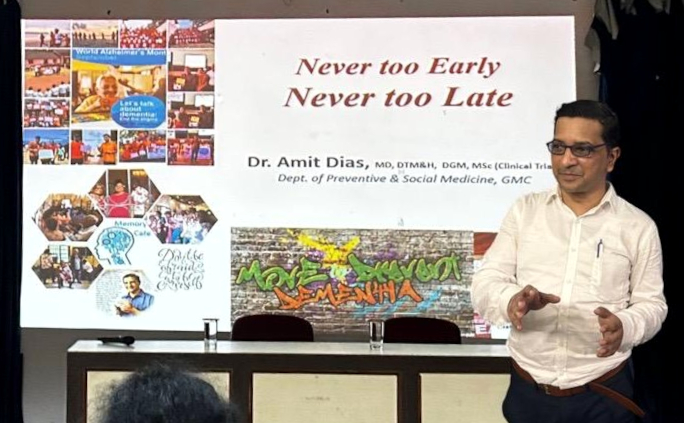
On the importance of research, Dr Dias said: “Research helps raise awareness, generates evidence, and informs policy. Much of what we know today is the result of dedicated researchers before us.”
“It is our responsibility to contribute to the future by generating knowledge to improve lives. We must encourage more members of the medical fraternity to engage in meaningful research.”