


MAPUSA
The State government’s oft-repeated narrative of accessible, doorstep governance came under sharp scrutiny on Sunday after a much-publicised mutation disposal and facilitation camp in Bardez descended into chaos, with key officials failing to turn up and citizens “ many of them senior citizens “ left waiting for hours before returning home in frustration.
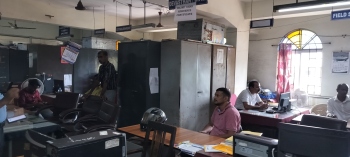
The camp, organised by the North Goa district administration as part of a two-day drive across mamlatdar offices in Bardez, Bicholim, Pernem, Sattari and Tiswadi, was projected as a citizen-friendly initiative to fast-track pending mutation cases and resolve grievances efficiently. Publicised widely in advance, it drew a steady stream of people to the Bardez mamlatdar office from early morning.
But the promise of swift redressal quickly unravelled.
While the office opened on schedule at 10 am and clerical staff were present, none of the mamlatdars were available at least until noon, leaving citizens in limbo with no official communication or alternative arrangement in place. As hours passed, tempers frayed and many, including elderly visitors, were forced to abandon their plans and head back home.
The incident stood in stark contrast to the government’s earlier high-visibility outreach drives “ “Sarkar Tumchya Dari” “ where top leadership, including the Chief Minister and cabinet ministers, personally engaged with citizens and resolved issues on the spot “ raising uncomfortable questions about the gap between projection and everyday governance.
Porvorim resident Oswald Pinto, who had come to follow up on his case, did not mince words.
“The government makes tall claims about taking administration to the people. But here, people came and the administration was missing. Senior citizens were made to wait endlessly. This is not just inconvenience “ it shows a complete lack of accountability,” he said.
A senior citizen from Tivim, visibly distressed, said the experience reflected a deeper administrative apathy.
“If officials had other duties, they should have informed us in advance or arranged for someone else. You cannot call people and then keep them waiting like this,” she said.
Officials later attributed their absence to a late-night mock drill at Shirgao ahead of the April 21 zatra, stating that revenue officers were engaged until the early hours of the morning.
North Goa Collector Ankit Yadav (IAS) said the officials would report later in the day and attend to the pending cases, adding that several cases had already been disposed of on Saturday.
However, the explanation has done little to quell criticism.
The lack of contingency planning “ whether by deputing alternative officers or rescheduling the camp with prior notice “ has drawn sharp reactions, particularly given the vulnerability of many who had turned up expecting time-bound service.


