MARGAO
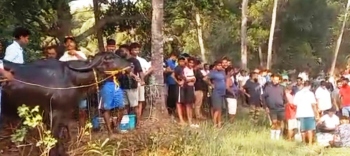
Despite official warnings and proposed crackdowns, banned bullfights continue to take place in Salcete, with Saturday’s event at Sernabatim in Colva village drawing large crowds and raising fresh concerns over enforcement lapses.
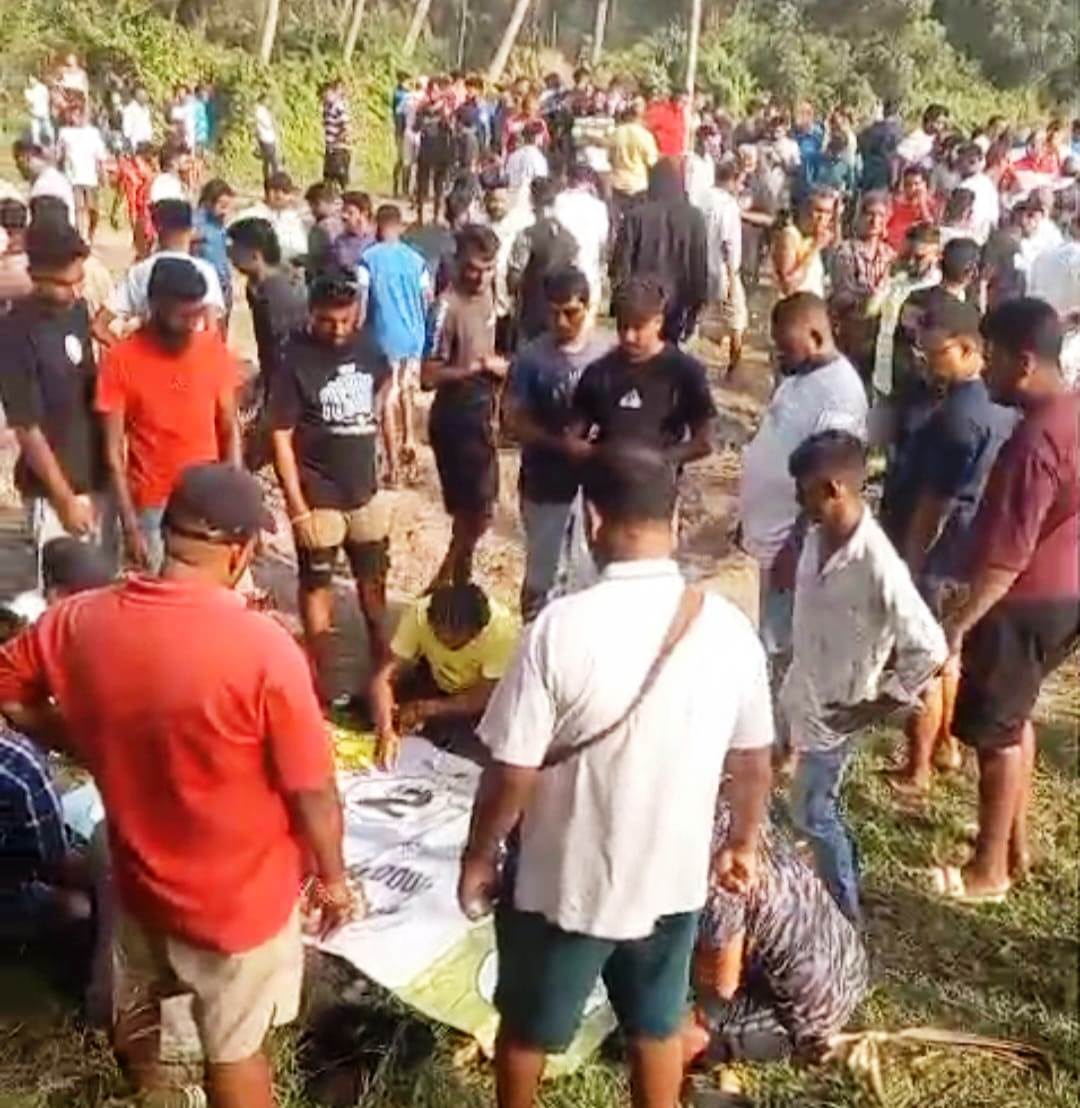
Hundreds of spectators reportedly gathered at the venue to witness the traditional but prohibited bullfight, highlighting the continued popularity of the sport among enthusiasts.
However, what has alarmed observers further is the parallel conduct of godgoddo ”a form of dice gambling ” at the same site, turning the event into what many described as a “cocktail” of illegal activities.
Eyewitnesses pointed out the complete absence of police personnel at the venue during the event, allowing both the bullfight and gambling activities to proceed unchecked. Many attendees, apart from watching the fights, were seen participating in gambling near the arena, adding to the scale of the violation.
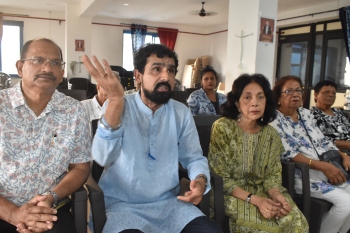
The development comes close on the heels of a recent law and order meeting chaired by South Goa District Collector Egna Cleetus, where authorities had resolved to take stringent action against the organisers of banned bullfights. Among the measures discussed was the possibility of initiating criminal proceedings against landowners who lease their properties for such illegal events.
However, the situation on the ground appears largely unchanged. Sources indicate that dhirios continue to be held in Salcete with little deterrence, and the addition of gambling activities like godgoddo is further compounding the issue.
The recurrence of the banned bullfights has once again brought into focus the challenges faced by the administration in curbing traditional yet illegal practices, particularly when they draw significant public participation.