PANAJI
Even as Goa recorded a gradual decline in cybercrime cases between 2022 and 2024, serious cracks emerged in the State’s cyber policing and prosecution system, with the National Crime Records Bureau (NCRB) report revealing that only three cases were chargesheeted, while not a single conviction was secured in any cybercrime case during the year.
The NCRB’s ‘Crime in India 2024’ report recorded that Goa registered 77 cybercrime cases in 2024, down from 86 cases in 2023 and 90 in 2022. However, despite the fall in the number of cases, the State continued to struggle with alleged poor investigation outcomes, mounting pendency and negligible trial progress.
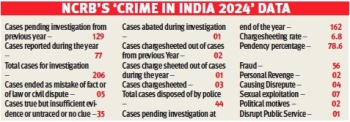
The report stated that Goa had 129 cybercrime cases pending investigation from previous years. With 77 fresh cases registered during 2024, the total number of cases for investigation stood at 206.
Out of these, police chargesheeted only three cases during the year -- two from previous years and one from cases registered in 2024 -- resulting in a dismal chargesheeting rate of 6.8 per cent. The NCRB data further showed that 162 cybercrime cases were pending investigation at the end of 2024, pushing the pendency percentage to 78.6 per cent.
The court disposal data also reflected a slow pace of trial proceedings. As many as 96 cybercrime cases were already pending trial at the beginning of 2024. With three additional cases sent for trial during the year, the total number of cases before courts rose to 99.
However, courts disposed of only four cases during the year, including two cases disposed of without trial and two acquittals. No conviction was recorded in any cybercrime case during 2024.
The pendency of cybercrime cases before courts stood at an alarming 96 percent by the end of the year, with 95 cases still awaiting trial.
Fraud emerged as the dominant motive behind cybercrimes in Goa, accounting for 56 out of the 77 cases registered in 2024.
The NCRB report also showed that cases involving sexual exploitation through digital platforms remained a concern, with seven such offences recorded during the year.
Among offences registered under the Information Technology Act, cheating by personation using computer resources under Section 66D accounted for the highest number of cases at 53, followed by identity theft cases under Section 66C at nine.
The State also recorded one case of cyber terrorism under Section 66F of the IT Act.
Cases related to obscene and sexually explicit electronic content totalled eight, including one case involving material depicting children in sexually explicit acts under Section 67B of the IT Act.
Goa’s cybercrime rate for 2024 stood at 4.9 cases per lakh population against the State’s projected population of 15.9 lakh. The NCRB figures also placed Goa among the poorer-performing states in cybercrime prosecution, with its chargesheeting rate only marginally higher than states such as Sikkim and Meghalaya.
NCRB rape data misread, POCSO figures inflated crime rate, say Goa Police
PANAJI: Goa Police on Friday said public interpretation of the latest National Crime Records Bureau (NCRB) figures on crimes against women in the State was ‘misleading,’ claiming that rape and POCSO cases had been combined in the data, resulting in an inflated rape rate for Goa.
In a rejoinder issued after reports that Goa recorded the country’s highest rape rate in 2024, police said 64 out of the 105 cases reflected in the NCRB table were offences registered under POCSO Act and should not be treated solely as rape cases.
The rejoinder states that if the figures of rape and POCSO were distributed separately, the rape rate in the State would stand at 5.2 per lakh population and the POCSO rate at 8.1, which it described as “comparable to the national average”.
Goa Police further said a large number of rape-related complaints registered in the State involved cases where the accused and victim were known to each other, complaints arising out of relationships on the pretext of marriage, consensual relationship disputes, and elopement cases involving minors under legal provisions.