MARGAO
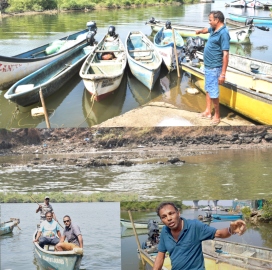
Once considered the lifeline of Salcete, the River Sal sustained generations of fishing communities settled along its banks. Fish lovers from across the state would flock to the Assolna fish market, drawn by the rich variety of fresh catch sourced directly from the river.
The Assolna“Ambelim stretch of the river was particularly known for its abundance of shellfish, including clams, oysters and mussels, which provided a steady livelihood to local fishermen for decades.
Today, however, fishermen from Assolna and Ambelim say the fish catch has drastically dwindled, severely impacting their means of survival. Shellfish, once available in plenty, are now found only in limited quantities, prompting growing concern among the fishing community over the reasons behind the decline, the government’s response, and the very future of the river.
While the government continues to speak of strengthening the fisheries sector and supporting fishing communities, traditional fishermen on the ground say they feel neglected by the Fisheries Department and other concerned authorities. They allege that no concrete steps have been taken to investigate the causes of the alarming decline in fish stocks.
Fishermen have raised serious questions about whether pollution from untreated sewage discharged into the river from Margao is to blame, or whether mechanised fishing activities operating out of the Cutbona and Mobor jetties are contributing to the depletion. With no clear answers forthcoming, anxiety is mounting among the river-dependent communities, who fear that without urgent intervention, the River Sal may never return to its former glory.
Is fish catch depletion due
to pollution or other factors?
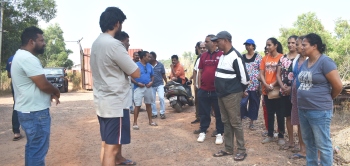
Local fishermen along the River Sal are demanding answers from the Fisheries Department over the sharp decline in fish and shellfish, questioning whether pollution or unchecked activities by mechanised fishing vessels are to blame.
Traditional fisherman Remedios Crasto raised concerns over the absence of any government-led study into the depletion of fish species in the River Sal, which was once the backbone of local livelihoods. “Today, we don’t even get clams in the River Sal at Assolna. What is surprising is that no study has been ordered by the government to find out why clams and mussels have disappeared from the river at Assolna,” he said.
Crasto questioned whether pollution”ranging from sewage discharge to oil and waste released by mechanised fishing vessels”has contributed to the decline. Referring to the fishing jetties at Cutbona and Mobor, which host hundreds of mechanised vessels, he asked how oil, grease, and waste are being disposed of. “When we dive into the river for fishing, we come back covered in oil and grease. This needs to be investigated,” he demanded.
Mechanised vessels and water
sports boats affect fishermen
Crasto further pointed out that mechanised fishing vessels frequently anchor along the Mobor stretch of the river, severely affecting traditional fishing activities. Water sports operations and cruise boats, he said, have compounded the problem.
“Many times, our fishing nets such as cantari are torn and damaged by mechanised vessels and water sports activities,” he said, adding that water hyacinth weeds flowing from Margao towards the sea damage fishing stakes, resulting in heavy losses for traditional fishermen.
While clarifying that fishermen are not opposed to vessels anchoring in the river, Crasto stressed that it must be done in an organised manner. “Traditional fishermen should be given enough space to carry out their activities,” he said.
Another fisherman, A. Colaco, noted that the overall fish catch has dwindled significantly in recent years. He added that popular species such as Tamshe (red snapper), Chonak, and Paloo are becoming increasingly scarce. “Today, the catch of these varieties of fish has dwindled. Similar is the case with Mussels and clams. Oysters are available, but not in abundance like in the past”, he added.
Social activist from Ambelim, Anthony D’Silva, said it was time for the government to take concrete steps to restore the River Sal. “We have grown up on the banks of this river, which sustained generations of fishing communities. The government must intervene to identify the reasons behind the dwindling catch and stop the rot caused by sewage disposal from Margao,” he said.