Joint inspection finds drains meant to run dry found flowing in April, confirming waste inflow
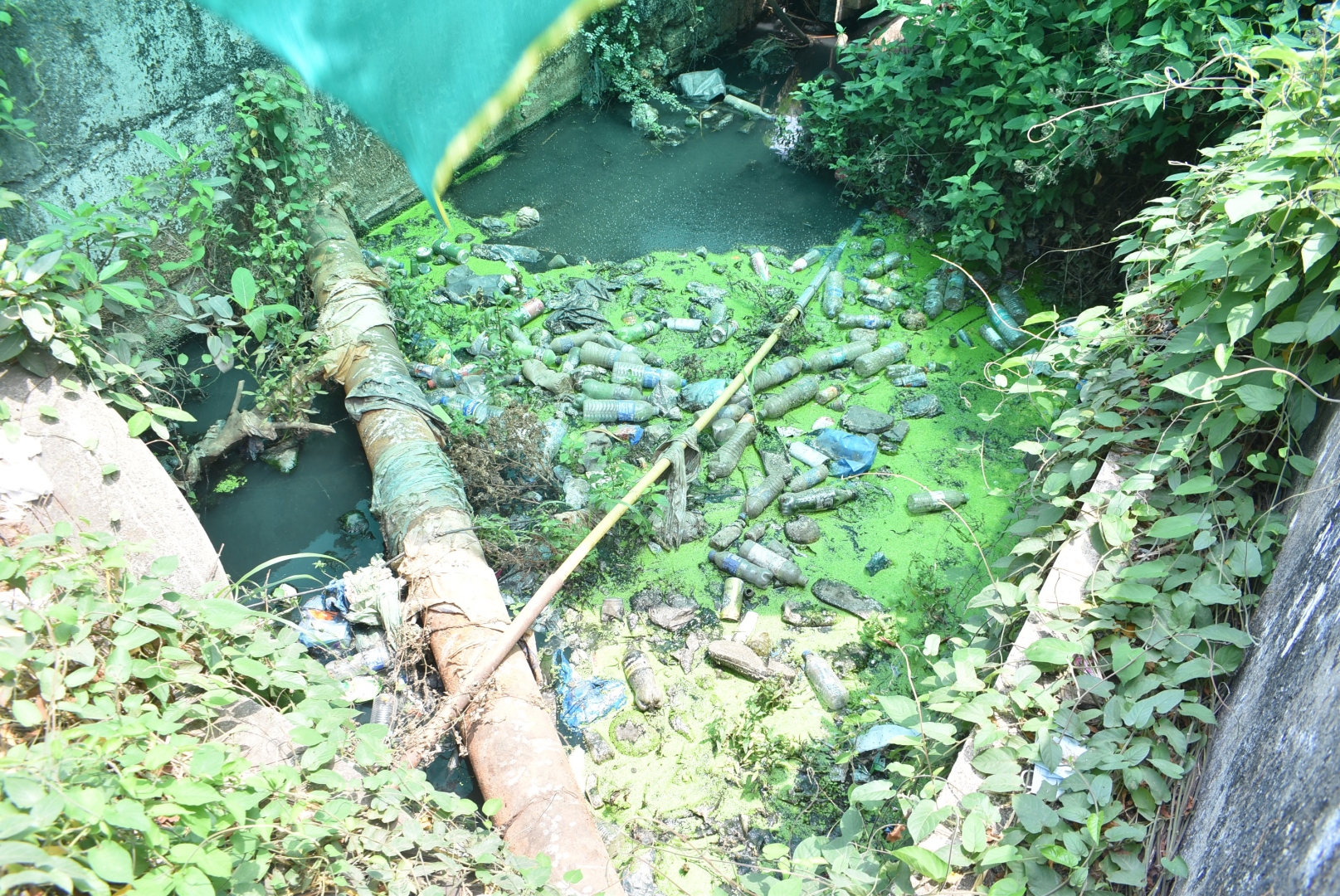
Stagnant, sewage-laced water and plastic waste choke the storm water nullah adjoining the Hospicio South Goa District Hospital.
MARGAO
Despite being in the peak of summer, several storm water nullahs in Margao continue to carry flowing water—raising fresh concerns over the persistent discharge of sewage and untreated wastewater into natural drainage channels that ultimately feed into the River Sal.
Typically, by mid-April, these nullahs—designed to channel monsoon runoff—are expected to run dry. However, a joint inspection conducted on Wednesday revealed a troubling reality: many of these channels remain active, not with rainwater, but with what appears to be domestic sewage and waste discharge.
Key locations inspected included the storm water nullah adjacent to the Hospicio South Goa District Hospital, as well as nullahs at the Old Market, Kharelem near Khareband, and the nullah at Comba, which was found filled with sewage water.
Observers noted little to no improvement compared to previous inspections conducted over the years.
The inspection has once again brought into sharp focus the long-standing issue of sewage mismanagement in the region. The continued flow of wastewater through these storm water channels not only defeats their intended purpose but also contributes to the pollution of the River Sal, posing environmental and public health risks.
Officials from the Goa State Pollution Control Board (GSPCB), Sewerage Infrastructure Development Corporation of Goa Ltd (SIDCGL), PWD Sewerage Department, Margao Urban Health Services, and the Margao Municipal Council were present during the inspection. They witnessed first-hand the condition of the nullahs and the ongoing discharge of untreated waste.
The inspection was also attended by local representatives and political figures, including Cavelossim Sarpanch Dixon Vaz, Benaulim Block Congress Committee president Keith Gracias, member Solan Furtado, and Margao Block Congress convenor Savio Coutinho along with his team.
The findings have prompted calls for urgent introspection and corrective measures. Stakeholders stressed the need for stricter enforcement, better sewage infrastructure, and accountability to prevent further environmental degradation and safeguard the health of residents.
---
Hospicio nullah under scrutiny
The storm water nullah adjoining the Hospicio Hospital has come under scrutiny after an inspection team found stagnant water and plastic waste accumulating along the channel, raising serious public health concerns.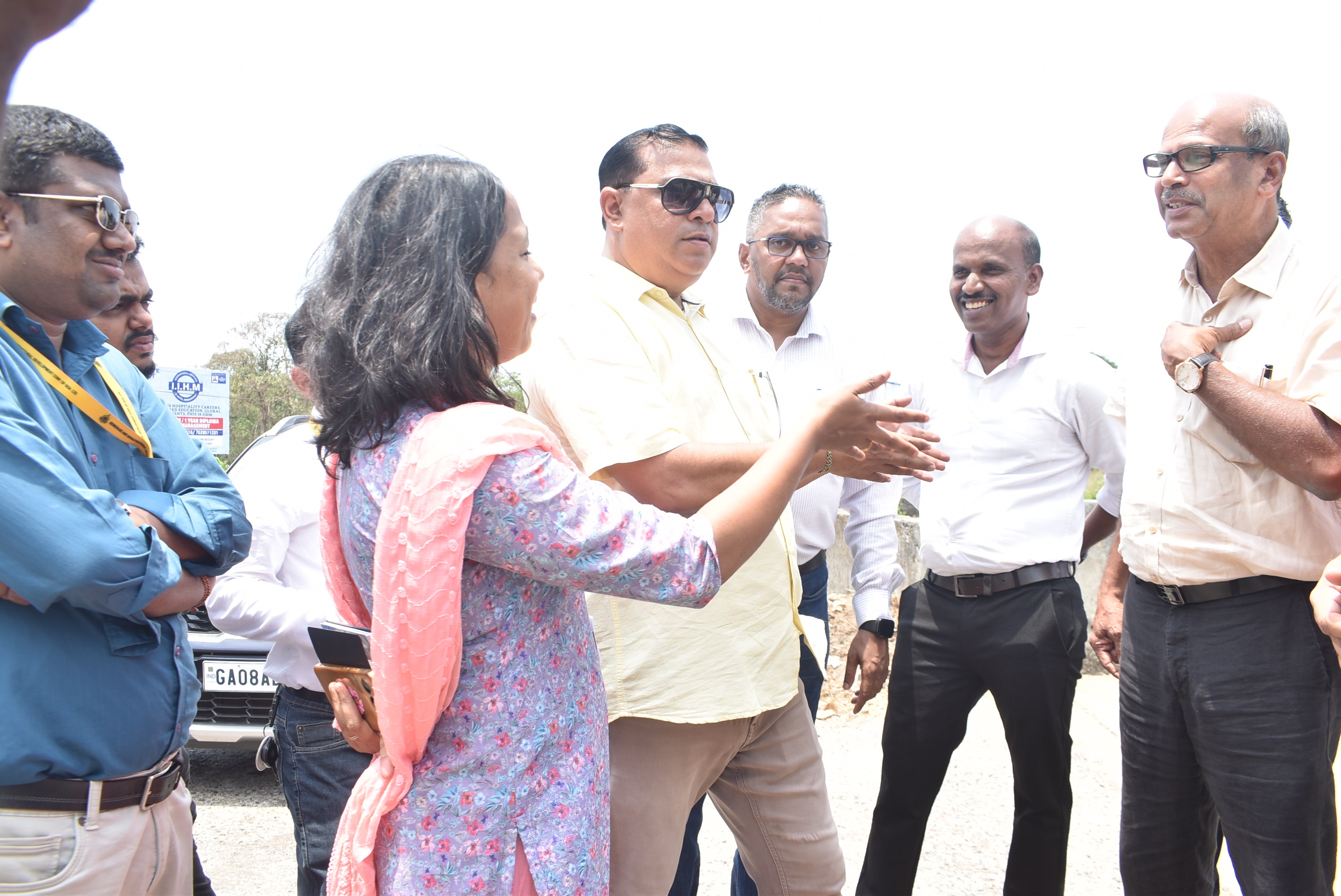
During the inspection, Medical Superintendent Dr Rajendra Borkar acknowledged that the hospital discharges treated wastewater into the nullah through its in-house Sewage Treatment Plant (STP). He clarified that while part of the treated water is reused for gardening, excess water may be entering the nullah due to the area’s high water table.
“The hospital has an in-house STP which treats sewage and wastewater generated on the premises. While treated water is partly reused, the high water table may be causing overflow into the adjoining nullah,” Dr Borkar explained. He further informed the team that the hospital has applied to the PWD for a connection to the underground sewerage network, a move expected to mitigate the issue.
However, local representatives expressed strong concern over the prevailing conditions. Cavelossim sarpanch Dixon Vaz and Benaulim Congress president Keith Gracias pointed out that the stagnant water and accumulated garbage pose a significant health hazard, especially for patients and residents in the vicinity.
Adding another dimension to the issue, a local farmer informed the inspection team that the flow in the nullah is not solely from the hospital but is also linked to a damaged sewer manhole, suggesting a broader infrastructure failure.
---
Kharelem-Khareband worst-affected stretch
The situation appeared far more alarming at Kharelem near Khareband, where the inspection team encountered blackish sewage and foul-smelling wastewater flowing through the storm water channel.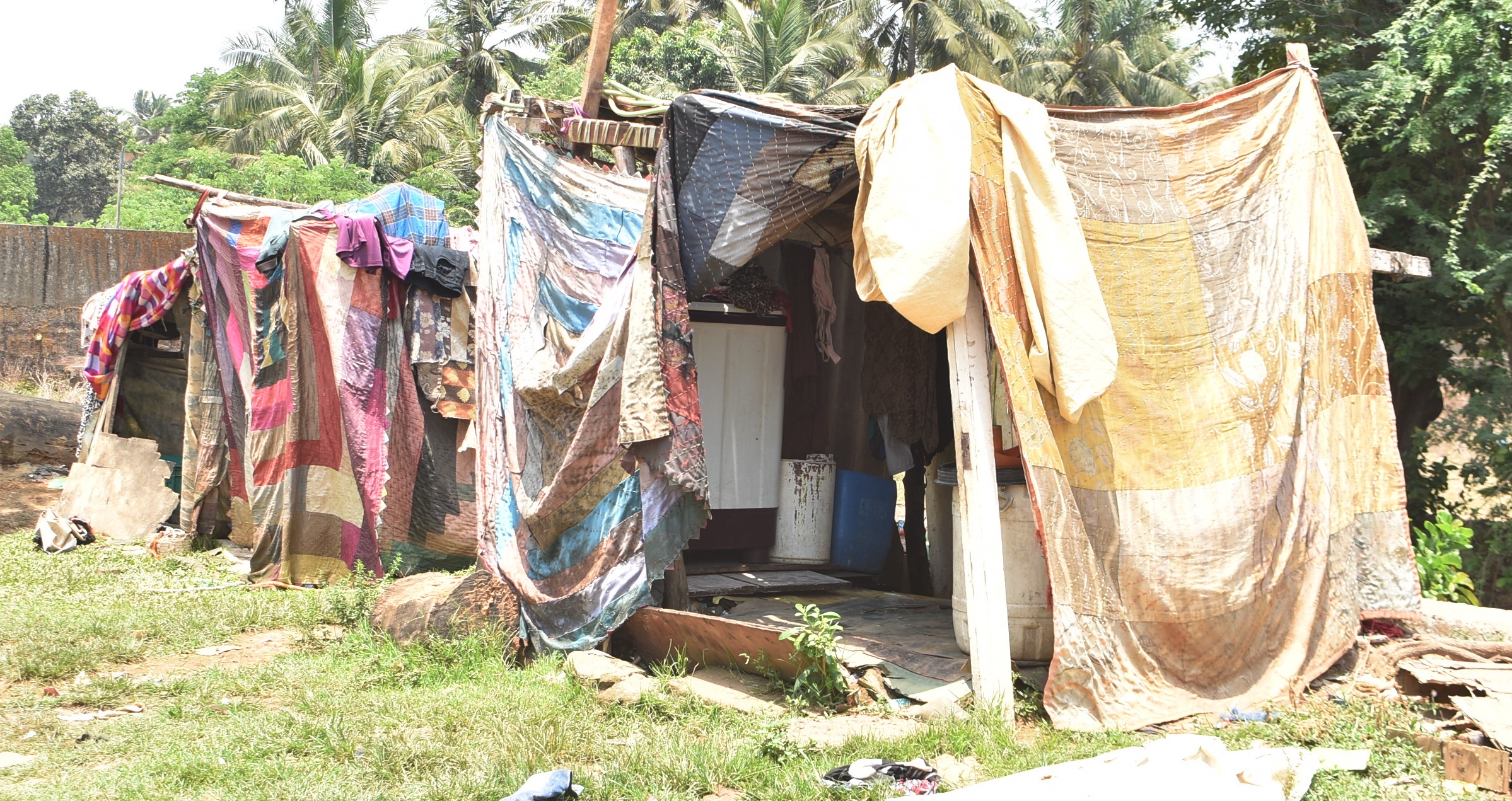
Preliminary observations suggested that the contamination may be originating from densely populated basti settlements that have sprung up along or even encroached upon the nullah. These developments have raised serious concerns about unregulated habitation and the direct discharge of untreated sewage into the drainage system, which ultimately feeds into the River Sal.
A visibly agitated Dixon Vaz warned that residents from the coastal belt would not tolerate continued pollution of the river due to unchecked sewage discharge. He alleged that illegal hutments and migrant settlements were significantly contributing to the degradation of water quality.
Participants in the inspection demanded immediate intervention, urging authorities to physically open and trace sections of the nullah to identify the exact sources of raw sewage discharge. They stressed that accountability and enforcement are critical to preventing further environmental damage.
The findings from both locations have once again underscored the urgent need for coordinated action by civic bodies, stricter monitoring, and the strengthening of sewage infrastructure to address the long-standing issue of wastewater mismanagement in Margao.
====
‘This cannot continue’: Citizens push Margao council on Sal rejuvenation
MARGAO: Following an inspection that revealed several perennial nullahs discharging sewage into the River Sal, a delegation of concerned citizens from the coastal belt met Margao Municipal Chief Officer Madhu Narvekar, pressing for urgent intervention to address the growing pollution crisis.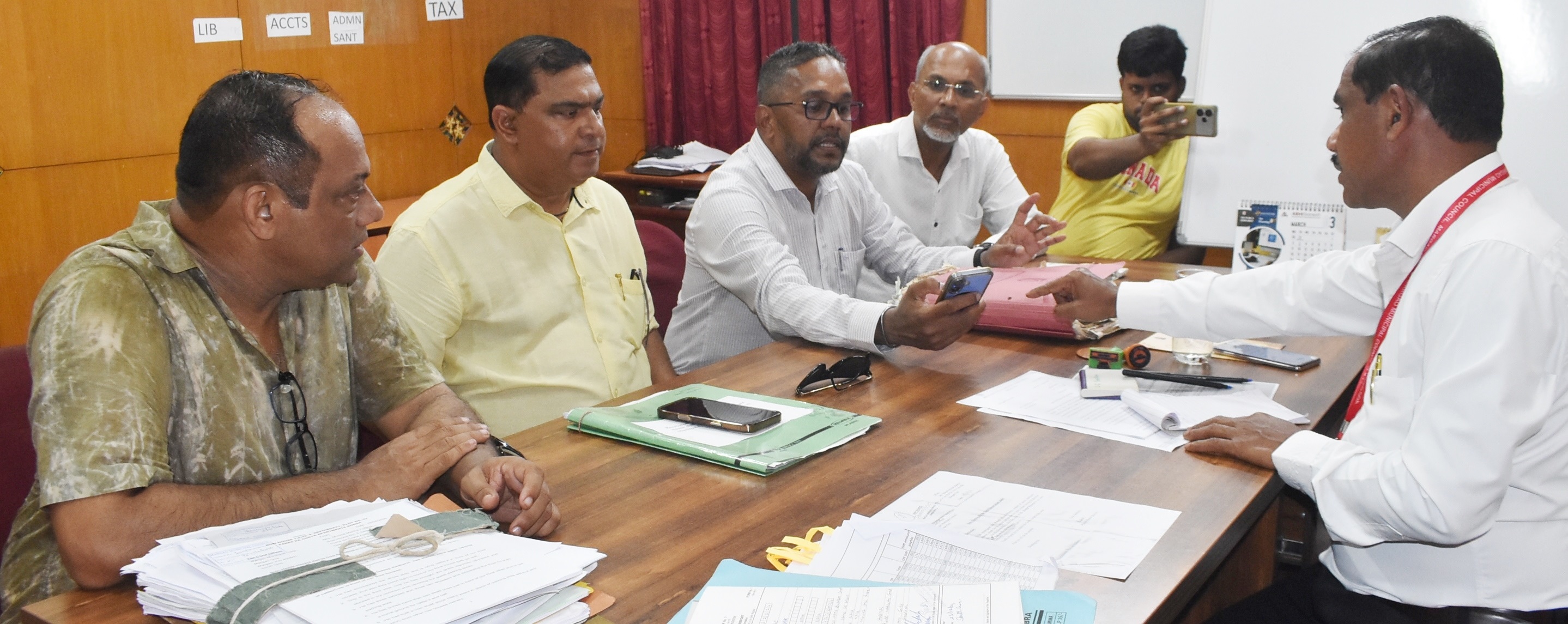
The delegation, which included Cavelossim Sarpanch Dixon Vaz, Benaulim Block Congress president Keith Gracias, Congress leader Solan Furtado, and other members, urged the Margao Municipal Council to take immediate steps to halt the discharge of sewage and effluents into the river.
Highlighting key concerns, the delegation drew attention to the Kharelem storm water nullah, where illegal hutments have reportedly mushroomed along the channel. According to them, these encroachments are directly contributing to the flow of untreated sewage and wastewater into the river system.
The members questioned how such unauthorised structures were allowed to come up and further raised doubts over the provision of basic utilities, particularly water connections, to these settlements.
Speaking after the meeting, Dixon Vaz stated that the delegation had participated in the inspection after making written representations to the Goa State Pollution Control Board, urging authorities to initiate concrete measures for the rejuvenation of the River Sal.
“The coastal belt is directly affected by pollution in the river. This cannot continue. We will undertake follow-up visits every fortnight to ensure that the measures recommended by various agencies are implemented and taken to their logical conclusion,” Vaz said.
The meeting has once again highlighted the urgency for coordinated action among civic authorities, pollution control bodies, and infrastructure agencies to address sewage management and prevent further degradation of the river ecosystem in Margao and surrounding coastal areas.