


THE GOAN | PANAJI
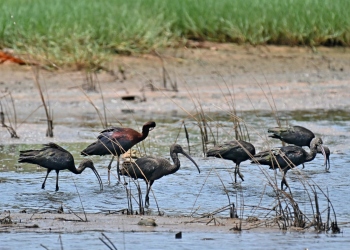
The month of October to late March or early April sees Goa’s wetlands transform into a paradise for avian visitors as they migrate to tropical regions to avoid harsh winters. Every year, various species of migratory birds visit Goa’s lakes and wetlands as part of their migratory journey.SEASONAL VISITORS
However, not all migratory birds follow this same pattern. Some species, like the Jacobin Cuckoo, migrate from the south during the monsoons for breeding. Other species like the Paradise Flycatcher and Kites want to escape the heavy monsoons and thus migrate across the ghats to regions where the rains are not as heavy.
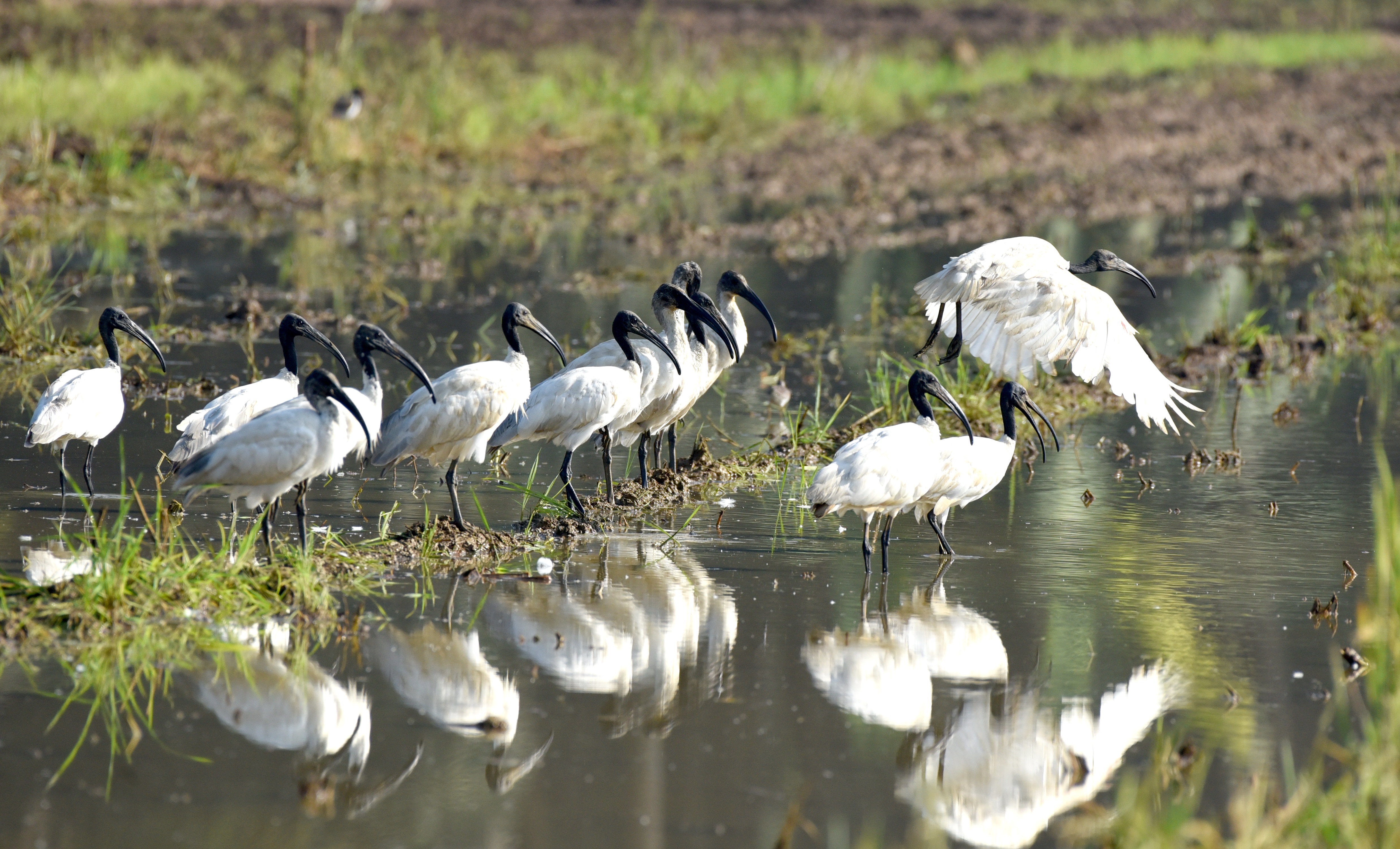
Broadly divided into categories, the state sees three types of migratory birds, namely local migrants, passage migrants, and long-distance migrants. Migratory birds coming to Goa are often drawn to wetlands and water bodies such as Carambolim Lake, once regarded as a major hotspot for these species, along with the wetlands of Maina-Curtorim, Raia, etc.
Species such as the Amur Falcon migrate from north China to South Africa in the winter for breeding in thousands. A few of them make a pit stop in Goa every year. However, the number of migratory birds as well as the duration of their stay has seen notable changes. “Many birds that used to migrate here for a few days or months are staying here longer. For example, the Eurasian Oystercatchers used to come to Goa in September just for a few weeks, but this year they were there till late,” naturalist Stephan Menezes observes.
WETLANDS UNDER STRESS
Drawing attention to their declining numbers, Parag Rangnekar, Vice-President of the Goa Bird Conservation Network, points out, “The diversity has remained the same; however, the numbers of birds have gone down.” He adds that most of these migratory birds are wetland-dependent, with the health of the wetlands and coasts directly affecting their survival.
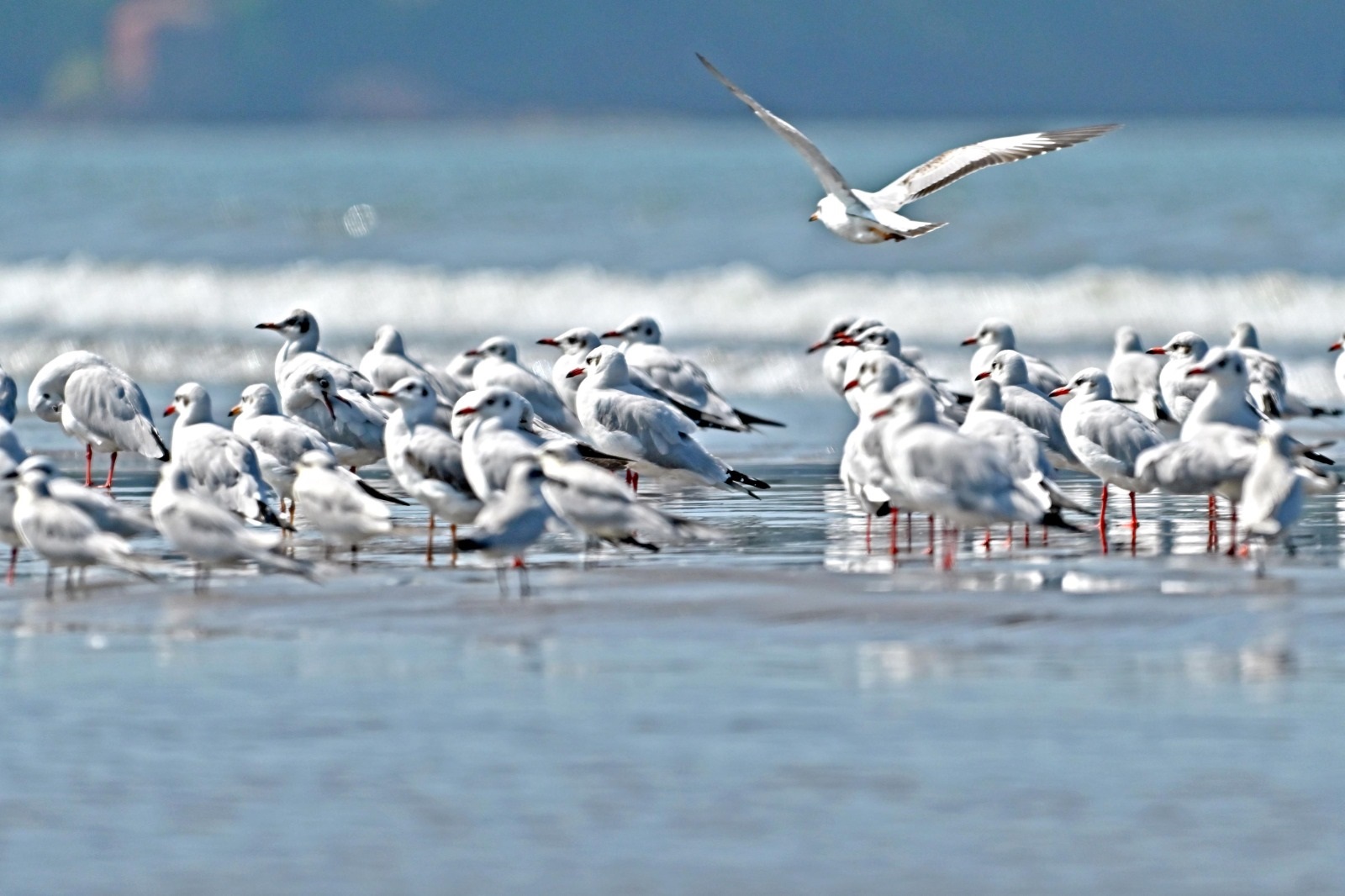
Goa’s water bodies and wetlands are ecosystems within themselves. For a majority of migratory birds, these wetlands serve as wintering grounds as well as refuelling stations and are vital habitats as stopover points. Experts have observed that wetlands in agricultural areas are often better maintained, as they are actively used by farmers for irrigation. “Excellent wetland health and proper management are essential for the well-being of migratory birds. In the end, human livelihood and bird diversity are directly connected,” Rangnekar emphasises. “Earlier, we could see so many birds in Karmali; however, the depth is not suitable for ducks. You can see birds such as Cormorants and Darters now,” he adds.
HUMAN IMPACT
The life of migratory birds is not without its challenges. “The rise in temperatures and drastic weather fluctuations have contributed to changes in the migratory patterns of birds. Additionally, some species that travel through the Gulf region may be affected by the ongoing conflict there,” Rangnekar observes.
Reflecting on the dwindling numbers of migratory birds, Menezes offers his perspective: “The decrease in wetlands might lead to disruption in their breeding pattern.” The causes are many, with no preventive measures. “Along with the degradation of the wetland of Carambolim, other disturbances such as the onset of the Konkan Railway, increasing eutrophication in this wetland, and dumping of garbage also have a negative impact,” Kerkar notes. He further adds, “In other areas, the installation of mobile towers too has affected these birds.”
As the migratory bird season in Goa is typically from October to late March, not all species follow this timeline. The observance of World Migratory Bird Day in May raises a few questions. Reflecting on the timing of this day, Rangnekar adds with a smile, “Considering Goa’s migratory season, the day seems rather oddly timed. It is observed now because of the American calendar, but for us, it would make more sense to have it during the winter season.”
NEED FOR CONVERSATION
While World Migratory Bird Day is being celebrated in May this year and does not coincide with Goa’s migratory season, it nevertheless draws attention to the need for greater awareness and collective responsibility towards these species. As the numbers and migratory patterns of birds continue to be adversely affected, the occasion serves as a reminder for stronger conservation efforts, improved wetland management, and sustained monitoring of the species that visit Goa each year.


