


PANAJI
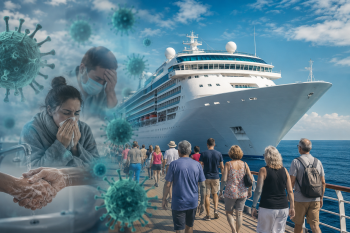
Cruise holidays are often promoted as relaxing trips at sea, but they also show how quickly diseases can spread in crowded places. Thousands of passengers and crew members live, eat and spend time together in shared spaces for days, creating conditions where infections can move easily from person to person.
EASY SPREAD
A cruise ship works like a small floating city. It has restaurants, theatres, lifts, cabins, pools and water systems used by everyone on board. While this makes travel comfortable, it also means that once an infection enters the ship, stopping it becomes difficult.
The COVID-19 outbreak on the Diamond Princess in 2020 became one of the most widely known examples. More than 600 passengers and crew tested positive. Studies later showed that crowded indoor conditions helped the virus spread quickly, although quarantine measures reduced the number of additional cases.
COMMON DISEASES
Norovirus, often called the “vomiting bug”, is the illness most commonly connected with cruise ships. Research has recorded many outbreaks linked to contaminated food, shared surfaces and close contact between passengers. Buffet dining, shared serving spoons and frequently touched surfaces increase the chances of infection.
Respiratory illnesses such as influenza and COVID-19 also spread easily in enclosed indoor spaces like theatres, cabins and dining halls. Poor ventilation can make the problem worse, especially when many people spend long periods together indoors.
Another concern is Legionnaires’ disease, which is caused by bacteria found in contaminated water systems. People can become infected through tiny water droplets from hot tubs, showers or spas rather than through direct contact with other passengers.
HIGHER RISK
Cruise holidays are especially popular among older adults, many of whom may already have health conditions. This makes infections more dangerous. A stomach infection can quickly lead to dehydration, while respiratory illnesses may develop into pneumonia or require hospital treatment.
Although cruise ships have medical centres, they are designed mainly for basic treatment and emergencies. They are not equipped to handle large outbreaks in the same way hospitals on land can.
STAYING SAFE
Passengers can reduce their risk by checking whether cruise companies follow proper cleaning and health safety measures before booking. Vaccinations should be kept up to date, and people with existing health conditions should speak to their doctor before travelling.
During the trip, washing hands with soap and water remains one of the best ways to prevent stomach infections like norovirus. Travellers who feel unwell should avoid crowded places and report symptoms immediately instead of continuing normal activities.
Cruise operators have improved hygiene standards over the years, and many journeys take place without major problems. However, the nature of cruise travel ” with shared air, food, water systems and common areas ” means the risk of outbreaks can never be fully removed.


