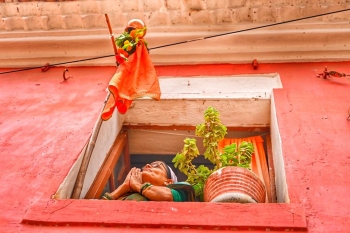
India’s profound diversity is reflected in the variousregional New Years celebrated across the subcontinent. Among these, Gudi Padwaserves as a vital milestone for Hindu communities, particularly in Maharashtra,Goa, and Karnataka, marking a time of victory, prosperity, and spiritualrenewal. The festival is characterised by vibrant rituals, includingtraditional oil baths and the creation of intricate rangoli patterns, whichblend ancient heritage with modern lifestyles. By embracing these customs,families invite positivity and success into their homes at the dawn of thelunar cycle.
Beyond its ritualistic roots, the festival signifies thearrival of spring and the refreshing hope of a clean slate. Families celebrateby donning traditional attire, visiting temples, and preparing festivedelicacies to honour the season’s bounty. Ultimately, Gudi Padwa not only marksthe start of a new year but also represents hope; it is a profound culturaloccasion that unites millions in a shared aspiration for growth and aflourishing future.
Spiritual significance
“It’s not just a New Year’s celebration. The festivalcarries a deep spiritual and historical significance, too. It marks thebeginning of the harvesting season and the arrival of spring. For farmers, thistime is one of prosperity and abundance,” says Sita Rama Velip from Netravali.
Astrologically, the festival coincides with the movement ofthe Sun into Aries (Mesha Rashi), signifying the beginning of a new cycle.That’s why it symbolises the new beginnings! In the Hindu lunar calendar, theauspiciousness of a day is generally dictated by the Tithi prevailing at thetime of sunrise, known as Udaya Tithi. In 2026, the Pratipada Tithi begins at06.52 am on March 19 and ends at 04.52 am on March 20. Since the PratipadaTithi is active during sunrise on March 19, that day is considered the correctdate for celebrating Gudi Padwa.
Welcoming the New Year!
The homes are cleaned, decorated with flowers, mango leaves,and rangoli designs. Mango leaves and marigold flowers are hung at theentrances. The day begins early with Abhyang Snan (ritualistic bath), wearingnew clothes and hoisting a colourful Gudi (a welcome signature) outside homesto invite good luck and prosperity. People are also eager to make newbeginnings “ be it the launch of a new office or housewarming at a new home.Some invest in properties, others purchase new vehicles. Women enjoy purchasinga gold or silver ornament. In middle-class homes, people buy electronicappliances like an AC or a TV set. And others simply enjoy a festive mealtogether!
It is a simple yet meaningful occasion at Sneha Umarye’shome where the family cooks good food and sits together to enjoy it like any otherday. Among the dishes, Neem chutney is always mandatory, just like somethingsweet on the plate. “I have often felt that this combination beautifullyreflects life with bitter and sweet existing together. The festival gentlyreminds me that this balance is part of everything around us “ in nature, inchanging times, and in life itself,” shares Sneha.
Festive spirit in the
midst of crises
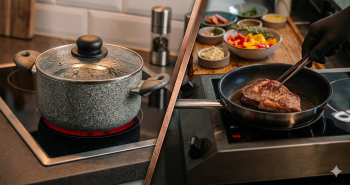
The times are indeed changing. This year, the country isfacing an LPG shortage due to the war crisis and rising fuel prices. Strugglingwith the cooking gas scarcity, Rajani Desai’s family has saved their lastcylinder for preparing the traditional festive dishes “ Puran Poli, Shrikhand,Basundi, Puri, Katachi Amti, Batata Bhaji, Koshimbir, Kothimbir Vadi, SabudanaVada, Kairichi Dal, and Panhe.
“To save cooking gas, I will make Shrikhand (sweetened curd)instead of Basundi (flavoured thickened milk dessert) because Shrikhand needsno gas. To thicken the milk for Basundi, it has to be kept on the boil for morethan an hour. So we are avoiding it this time. Pooris also take a longer timeto fry, but it is a must-have item,” said Rajani. Most of these dishes take alonger time to cook, so the family has shifted their cooking to induction forthe past few days, and saved the gas for the festival meal.
Installing a Gudi
(Brahma Dhwaja)
People take oil baths early in the morning and get readywearing new, ethnic attire. Special pujas are performed in the families, andprayers are offered to Lord Brahma, Lord Vishnu, and Goddess Lakshmi to blessthem for a prosperous year ahead. A unique tradition of Gudi Padwa is consuminga mixture of neem leaves, jaggery, and tamarind. This symbolises the acceptanceof both bitter and sweet experiences in life and helps boost immunity.
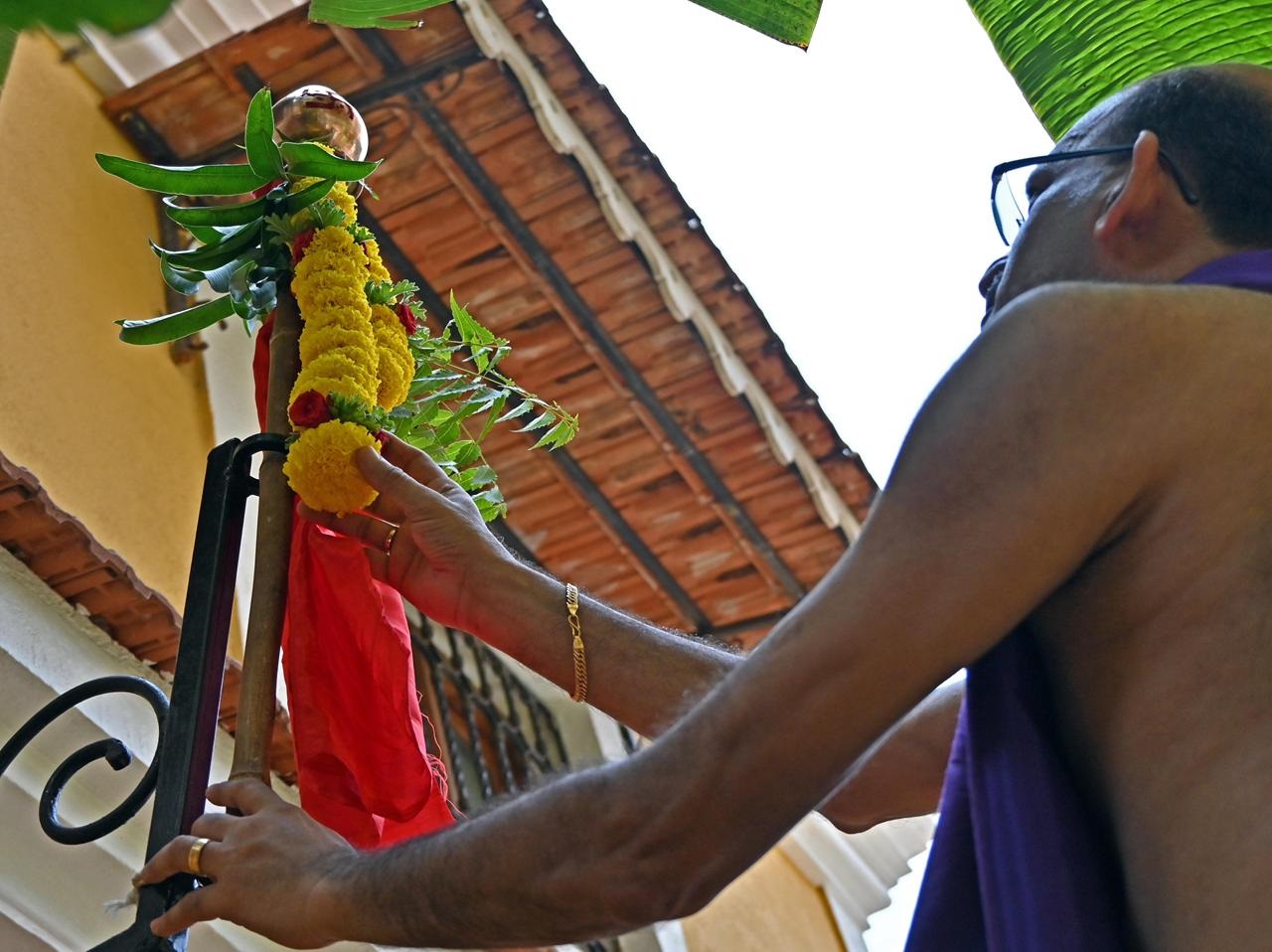
In Goa, homes are decorated with flowers, mango leaves, anda beautiful rangoli adorning their entrances. “Installing Gudi (Brahma Dhwaj)has its significance on Padwa. A red, saffron or yellow cotton or silk cloth ora saree is tied to one end of a long bamboo stick along with a bunch of neemleaves which symbolises bitter experiences we might have in the Samvatsar (yearto come) and a garland of Battasha (sugar candy) symbolising sweet experiencesin the year to come and a bunch of mango leaves and flower garland. A copperKalash written ‘Shri Brahma Dhwajay Namah’ on it with Ashtagandh is inverted ontop of this cloth,” explains Dhanashri Prabhugaonkar, a homemaker from Shiroda.
“This Gudi is installed at the right side of the house at aplace where it can be seen by everyone at home and outsiders to ward off evil,invite prosperity, and mark a victorious beginning. A puja is then performedafter this installation. Panchopachaar (five offerings of gandha, pushp, dhoop,deep, and naivedya) are offered. For the Gudi, typically Shrikhand and Pooriare offered as Naivedya. While puja is performed, everyone chants ‘Shri BrahmaDhwajay Namah,” shares Dhanashri.
“While for many it may be a day of reflection, looking atthe year that has gone by, for me it signals the beginning of festivities. Andfun,” quips Kanaka Desai, who recalls her childhood time when colourful Gudisused to be hoisted across galleries and verandahs. “I was seven then. Iremember counting all the Gudis on my way to my grandparents’ home. Decoratedwith flowers, the Gudis are a treat to watch even today. The ritual continues,me competing with my sister in the counts of these Gudis,” adds Kanaka.
Purchases, investments, new beginnings
The gold and silver prices are out of the reach of the commonman. With a war ongoing in one part of the world and affecting most nations, isit a good time to buy the white and yellow metals? Expecting the usual festivefootfalls, jewellery showrooms are offering discounts. PNG Jewellers’ GudiPadwa Offers claim 0% deduction on old gold exchange, flat 30% on selected goldjewellery making charges, up to 100% on diamond jewellery making charges.Purchasing gold on this day is considered similar to inviting Laxmi, thegoddess of prosperity, home.
Sonali Nagvekar, proprietor at Nagvekar Jewellers in Panaji,opines that Goans value gold, and though the current times are not so grand tobuy gold, they will buy, maybe in small quantities, or as a token to mark theday. "Gen Z has a craze for artificial jewellery, but during marriages,real gold is a must. Gold in hand has more value than paper gold, so yes, I amexpecting a good turnout on Padwa," says Sonali.
“We wait for this day all year,” says Aditi Naik, aschoolteacher from Ponda, as she browses a collection of traditional Galsarinecklaces. “In our family, buying gold on Padwa isn't about vanity; it’s about‘Shagun’ (auspiciousness). But being practical matters too! When you seewaivers on making charges, your heart tells you it’s the right time to buy, butyour brain knows it’s a smart investment,” remarks Aditi.
Vehicle deliveries on Padwa
In India, purchasing a vehicle is said to be a sign ofprosperity, and apart from Dussehra and Dhanteras in the Diwali festival, Padwais one of the best days for heavy purchases and investments. This year’s Padwatoo, people have followed this trend, and many will be taking their cardeliveries on this auspicious day. Most car showrooms have deliveries markedfor this day. The Tata Motors showroom at St Inez in Panaji has 15 deliveriesto be made on the day. “Our Nuvem showroom has 31 deliveries to be done, Ponda12 and Margao 10 “ all on March 19,” said the salesperson in Panaji, addingthat 50 % of these deliveries are of EV cars.
Similarly, the Honda showroom in Panaji has three deliverieson Padwa, while their counterpart in South Goa has two, informed thesalesperson at St Inez showroom. “We are all set for the deliveries,” he said.
The craze of purchasing electronic appliances on festivedays is also high. The showrooms across Goa have been witnessing enthusiasticbuyers and inquiries over the past few days. People visit and check the prices,compare two favourite brands, and make their final choice. “The customer flowhas already started. Many came to inquire about the prices of ACs, washingmachines, dishwashers, LED sets, and home theatres. Most of my customers havealready purchased and paid the bills, but they want their deliveries to be madeon the day of the Padwa. So I am keeping my showroom open for the entire day,and have called in extra labour, electricians, and plumbers to install the ACsand dishwashers, stated Prashant Talaulikar of Talaulikar Electricals inMargao.
Many showrooms are offering discounts too on the occasion ofPadwa. Rohit Parab, a tech enthusiast, spent his afternoons scouting deals onSmart TVs. “The prices are incredible this year,” Rohit says. “I’ve seen65-inch 4K displays slashed by nearly 50%. There’s a certain thrill in bringinghome a new piece of technology on the first day of the year. It feels likeyou’re upgrading your life alongside the calendar.”
The days on the calendar pass by. Years roll on, too. Buttraditions and celebrations that are rooted deeply in the Indian culture andpsyche are hard to fade. Happy Gudi Padwa!