



As temperatures continue to soar, fashion often takes abackseat to comfort. However, the growing popularity of upcycled sarees thissummer helps people stay stylish without compromising comfort. Sarees have longbeen repurposed into household items. Now, youngsters are giving the age-oldgarment a modern makeover by transforming it into trendy co-ords, breezykaftans, dresses, and kurtas. They are now choosing fashion that is not onlystylish but also environmentally conscious, blending sustainability withpersonal style.
Upcycling sarees into summer wear is more than just apassing trend; it’s a way of honouring heritage while embracing sustainability.It infuses new life into the garment, ensuring that no part of the drape iswasted. “When fashion aligns with cultural memory, ecological responsibility,and creativity, it doesn’t fade with the season but becomes a long-lasting wayof dressing,” says Shruti Jaiswal Juwarkar, Founder of Roooh Serve &Girhasta Couture Pvt Ltd, Goa. Ashima Bhan, the main character at Ashima Bhan,believes this conscious shift in fashion is here to stay. “As long as sarees continueto be cherished and people continue to choose sustainability, this trend willcontinue to thrive,” she says.
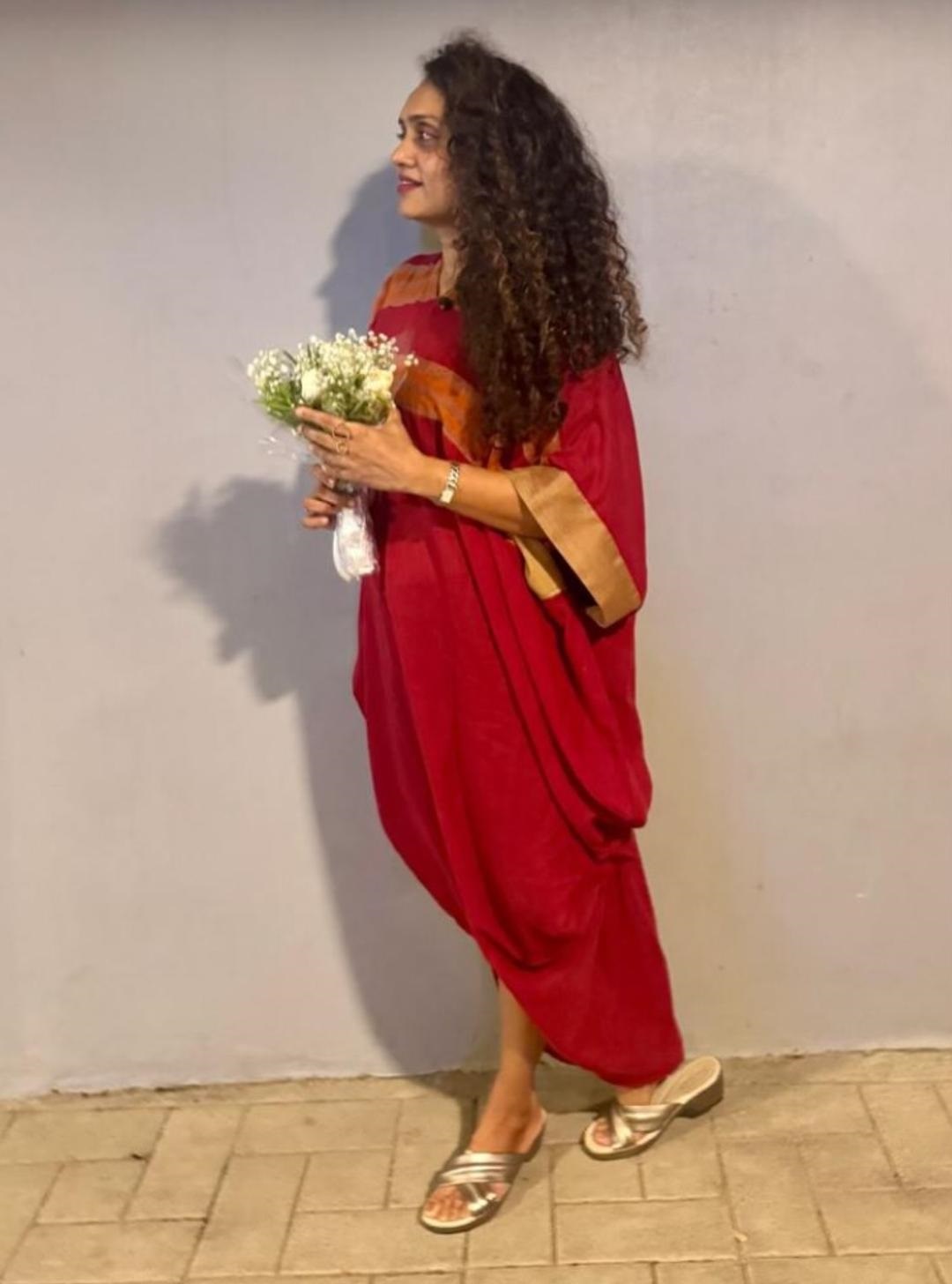
While they do their small part in reducing textile waste,the larger issue is far from over. Approximately 7,800 kilotons of textilewaste is generated every year, with a significant portion ending up inlandfills. “Many sarees, which are hardly used due to various reasons,ultimately end up in a landfill. This is where we weave the magic of upcycling.We customise our clients’ designs according to their personal style,transforming old sarees into quality outfits that are stylish, comfortable, andsimultaneously help reduce textile waste,” says Bhan.
Many old sarees, especially Kanjeevarams, Banarasis, andMysore Silks, feature a quality of craftsmanship that is hard to find andincredibly expensive in today's market. “Upcycling allows you to preserve thatwhile transforming the saree into something you will actually wear, like adress made from old saree material. For summer, we believe the most versatileand refreshing upcycled option is a breezy dress or co ord set, as it combinescomfort with style,” Juwarkar adds. “Cotton or mulmul is the most suitablefabric for summer upcycled outfits,” Bhan observes.
From ideation to the final outfit, the entire process isoften demanding and intricate, bringing a unique set of challenges. One of thegreatest difficulties in upcycling sarees is working with fabrics neveroriginally meant to be cut or re-stitched. “Sarees often have delicate borders,zari work, or uneven wear, so preserving their beauty while making themfunctional requires careful planning,” Bhan shares. Incorporating designsaround the saree’s existing patterns and motifs can also be challenging.However, Bhan believes that with a few adjustments and creative designing,working around these patterns and styles can result in distinctive andbeautifully upcycled sari outfits this summer.
Yet another challenge is ensuring that no part of the sarigoes to waste; they must design consciously so that every inch, from the palluto the border, finds a new purpose. As they often receive sarees with damage orwear, it is a difficult task to work around the patterns and motifs. “Finally,there’s also the creative challenge: balancing heritage with contemporarydesign so the upcycled piece feels fresh yet still carries the soul of thesari,” Juwarkar replies. “Additionally, pieces that cannot be made into outfitsbecause of heavy damage but have deep sentimental value are often convertedinto dinner table sets, like coasters and runners, etc.,” she adds.
While upcycling sarees is not a novel invention, the trendis here to stay. It is not only about creating new garments but also aboutshaping a more thoughtful fashion practice. By reimagining sarees and reducingtextile waste, we can contribute to sustainability by making this ecologicallyconscious choice. As each sari demands a unique design solution, no two upcycledpieces are the same. For both, Juwarkar and Bhan, innovation remains at theheart of what they do. For both of them, it is about sustainability,craftsmanship, individuality, and empowerment, all woven together to makeupcycling sarees a lasting trend.


