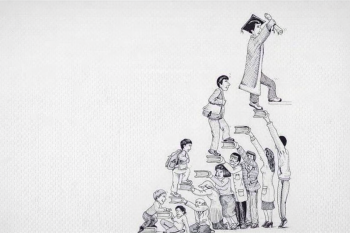
If people are anyway going to leave Goa, the least we could do is to ensure they are better equipped while doing so
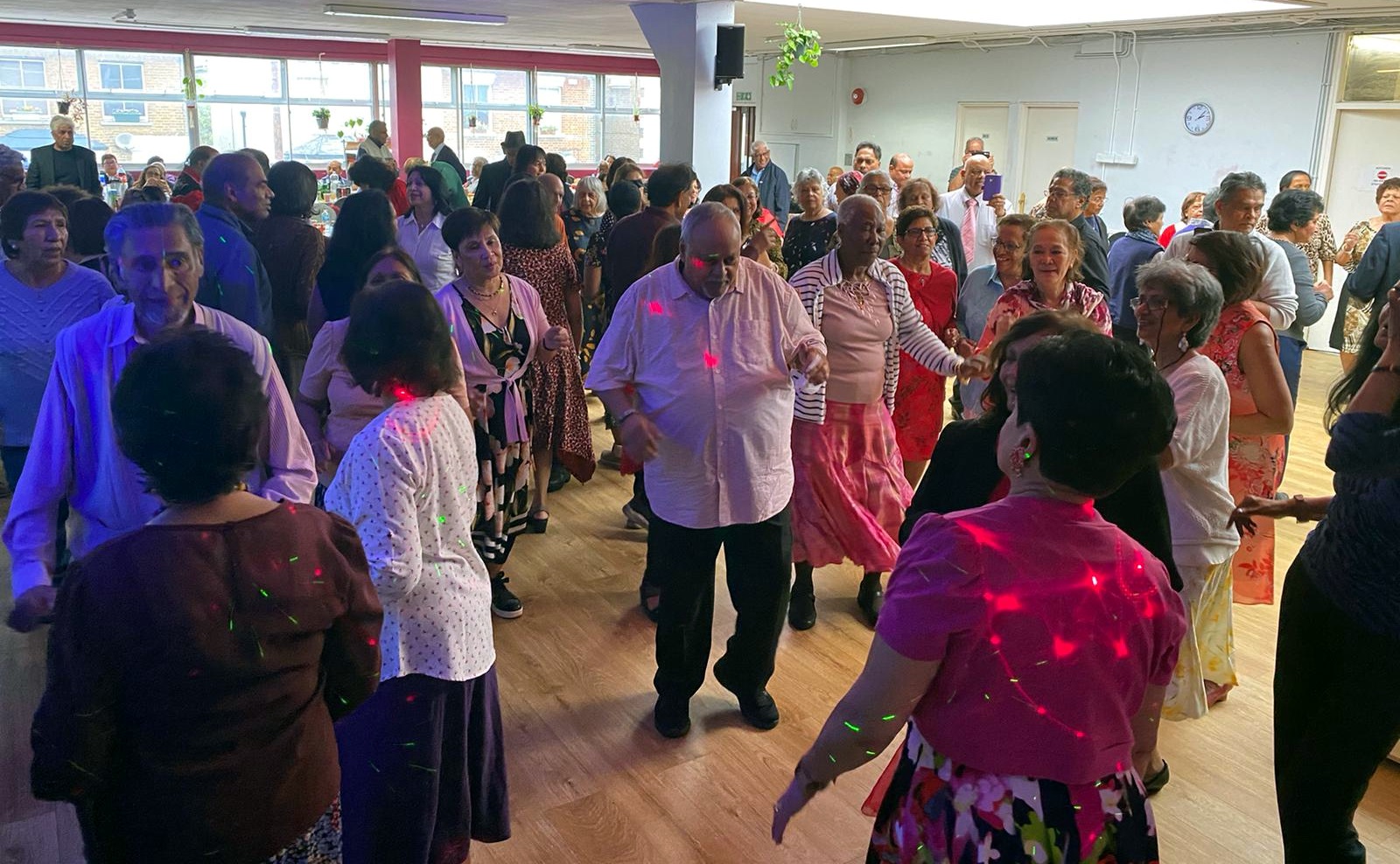
Last month, two musicians got in touch out of the blue. I guess they must have tried other options first, and probably received less encouraging (or no) responses. One is a harpist, probably the only player of the pedal harp in India. The other is a schoolmate who spent his working life in Bombay-Mumbai, and holds popular violin performances.
Both were separately visiting Goa on short trips. Both are connected to the region. They were keen to perform locally, and wanted nothing out of it, except to share their art and skills. One set of performances is over. The other is awaited.
So, how is this particularly relevant here?
Each year, so many Goan expats (from within India and abroad) visit Goa. Our relationship with them has been largely parasitical, to put it bluntly. Or, if you'd like to use a word from Bambaiya Hindi, at least 'matlaabi'. If we can get some benefit out of the exchange, we'd like to do business. Otherwise no.
WIIFM, or "what's in it for me", is the standard approach that we mostly take with this important (but ignored) section of the population. My guess is that there are three main approaches to how Goa deals with its expat population.
First is, if they bring in money or investment, they're welcome. This could be also a case of them selling their land or assets in a way we could gain. Secondly, if we could hawk them some product or service, then they are welcome as well. Of late, a new trend has started, involving fundraising. It's easy to sell the "we are protecting your homeland" idea to this distant but emotionally-linked section of the Goa population.
Just this week, one activist was blasting a political party for raising money from the Goans of Swindon and elsewhere. This trend has been on for quite some time, actually. Way back in the 1980s, the language agitators in Goa got quite some support from places like Kuwait, especially in the Gulf.
When the latter felt betrayed by the way things shaped out (especially over the sidelining of the Roman script), there were angry charges and much bitterness over who had "made use" of whom.
But it doesn't need to be this way. It's not rocket science to realise that the most valuable potential relationship between Goa and its diaspora is that of an exchange of skills, knowledge and experience.
Given the wide experience in so many fields that the Daispora is involved in, it would not be unrealistic to share some of it here. Having seen for years (via cyberspace) both their abilities and their interest in Goa, it is not unrealistic to expect them to contribute.
To make that happen however, Goa would need to treat this section with some more regard and respect. As a civilisation, we often hearken back to the principle of 'vasudhaiva kutumbakam'. Or, The World is One Family. But, when it comes to Goa, those who left it for whatever reasons (mainly economic) are seen as its un-forgiven prodigal sons and daughters, who somehow let down the region. They are left to fend for themselves, as if Goa has no interest in them, apart from the hardcore commercial.
There is also some envy when it comes to dealing with those who left Goa. They have done better, and those of us who were not "export quality" (with some exaggeration) may not have attained as much in a worldly sense.
One also comes across one small section of self-promoting expats, who are quick to make all kinds of claims. But when it comes to doing something practical and real, they hardly deliver. The goal of self-promoters, of course, is self-promotion.
All this apart, the potential is still there.
What Goa badly needs at this stage -- in fact, it's a bit late in the day -- is a citizen-driven initiative to connect with its people who left home. Their skills and interests in committing to Goa need to be listed and understood. That, then, could be combined with very real needs on the ground here.
One seldom comes across people who will not be willingly to share what they know with Goa. In today's post-pandemic, online world, it is even easier to do so. It hardly takes any time, money or travel to address an audience in another part of the globe. One can just do it online.
Goa has grown largely due to the efforts of its industrious people, both within the region and outside. Not because of governments, but inspite of them. It's time we looked more seriously at the potential such bridges could yield.
This is not just the case of sharing music skills. Another much needed track is mentoring people in business skills and entrepreneurship. Or in higher education possibilities and even skilling-up for better opportunities in migration.
If people are anyway going to leave Goa, the least we could do is to ensure they are better equipped while doing so. And that they keep at least some toehold in Goa, so their connect here can continue in whatever way possible. Just to rant against the growing migration out of Goa, and wish it would vanish, is unhelpful and unrealistic.
To end on a personal note: In the last week itself, the Fairleigh Dickinson University, a private university with its main campuses in New Jersey, founded in 1942 that offers more than 100 degree programmes, named its "long-time faculty member and administrator" James Almeida as the dean of the Siberman College of Business.
Nearly three decades back, when Almeida was in his 30s, he was one of the young men who was involved in an early social media experiment called Goanet. He met his to-be wife Sharon there. Besides, I'd like to think that small initiatives like these (started by Herman Carneiro, another expat incidentally) have also helped keep many in touch with their homes. Now it's time to build bridges which are mutually beneficial and not one-sided.