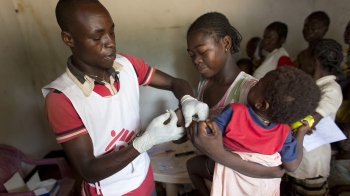
Doctors Without Borders is globally respected for deploying trained and experienced doctors into war zones and humanitarian emergencies under strict ethical, legal, and professional safeguards. Medical intervention in such environments is governed by transparency, accountability, and institutional responsibility.
Risk is assumed voluntarily, competence is verified rigorously, and failure is neither concealed nor normalised. This humanitarian model stands in stark contrast to a growing phenomenon within Indian healthcare, where professional boundaries are diluted and regulatory oversight is selectively enforced. The contrast is not geographical but systemic, revealing how medicine can either be a disciplined public service or a commercial shortcut.
Medical students in
conflict zones
The evacuation of Indian medical students from Iran has once again exposed the fragility of India’s outsourced medical education ecosystem. As recently highlighted in ThePrint, thousands of Indian students pursuing MBBS degrees abroad were stranded amid violent unrest, repeating a pattern seen earlier in Ukraine and other conflict zones (Kaur, 2026).
The article correctly attributes this to limited seats, prohibitive private college fees, and social fixation with the “Dr” title. What remains less discussed is how this systemic pressure does not end with evacuation flights. It re-enters India through hospital corridors, operating theatres, and outpatient departments, where patients become the final stakeholders in a compromised chain of training and verification.
A personal reckoning
That reality manifested through a laparoscopic appendectomy performed at a prominent private hospital in Malbhat, Margao, South Goa. The surgery was conducted by a consultant surgeon who was later found to be practising without registration before the Goa Medical Council.
The surgeon had obtained his MBBS degree from Manipal Institute of Medical Sciences, Pokhara, Nepal, and had subsequently cleared the Foreign Medical Graduate Examination with below average marks.
None of these material facts were disclosed prior to surgery. Although consent was obtained, it was rendered illusory by the absence of disclosure relating to academic origin, professional competence, and statutory registration.
The surgery resulted in a foreign object being left within the abdominal wall. Post operative complications persisted for nearly twenty days, during which repeated antibiotic prescriptions were issued instead of appropriate diagnostic investigation.
The gold standard diagnostic protocols, including a sinus sinogram or fistulogram correlated with CT imaging, were not advised.
When eventually undertaken, it was revealed that a foreign object had lodged within a tract formed at the site where a drain pipe had been placed. The delay was aggravated by reluctance to acknowledge surgical error. What followed was not merely medical injury but institutional indifference.
The matter culminated in an Order dated July 19, 2024 passed by the Ethics and Disciplinary Committee of the Goa Medical Council. The Committee unequivocally found that the surgeon had practised in Goa without registration. A penalty of Rs. 10,000 was imposed, which was later absorbed by the Council itself.
While the fact of non registration stood conclusively established, the punishment imposed was grossly disproportionate. The Goa Medical Council Act, 1991, read with the Rules of 1995, envisages far stricter consequences for unregistered medical practice, including substantial fines and prosecution that may result in imprisonment. No such proceedings were initiated.
This regulatory leniency compelled the initiation of writ proceedings before the High Court of Bombay at Goa, seeking directions to the Goa Medical Council to enhance the penalty and to prosecute the errant surgeon in accordance with law.
That petition remains pending. The episode illustrates how regulatory discretion, when exercised selectively, undermines public confidence and reduces statutory safeguards to procedural formalities.
Screening illusion persists
The Foreign Medical Graduate Examination was designed as a quality control mechanism, not a curative solution. Persistently low pass percentages reveal that the examination merely filters outcomes rather than addressing structural inadequacies.
Screening occurs after patients have already been exposed to risk. Hospitals continue to engage foreign qualified doctors without transparent disclosure, while State Medical Councils fail to enforce registration requirements with consistency. Ethical regulations mandating disclosure of qualifications are rendered ornamental in profit driven healthcare environments.
The ThePrint article correctly notes that desperation drives families towards cheaper medical education abroad. What must also be acknowledged is that when skill deficits exist, shortcuts follow. Diagnostic protocols are bypassed, complications are mismanaged, and responsibility is deflected. The patient ultimately pays for an education system that prioritises speed and volume over clinical rigour.
Regulation must harden
Evacuations from Iran and Ukraine have demonstrated that the consequences of exporting medical education risk inevitably return home. Regulatory reform must therefore precede crisis response. Foreign qualifications require rigorous preemptive verification.
Registration with State Medical Councils must be enforced strictly, with mandatory prosecution for violations. Hospitals must be held vicariously liable for employing unregistered practitioners. Disclosure of academic credentials must be non negotiable and patient accessible.
India needs more doctors, but not at the cost of patient safety or regulatory integrity. Capacity building within India, structured international accreditation, clinical bridging programmes, and uncompromising enforcement are policy imperatives.
Without such reform, evacuation will continue to substitute regulation, and disciplinary orders will remain symbolic. Doctors Without Borders operates without geographical limits but never without ethical boundaries. Indian healthcare must relearn that distinction.